
In Kevelaer, on the Lower Rhine, an unassuming image of the Virgin Mary draws countless pilgrims year after year. Known as the 'Comforter of the Afflicted,' this simple depiction of Mary rests within a magnificent basilica. The pilgrimage rector, Father Stefan Dördelmann, is deeply moved by the image's appeal. 'It touches me anew each time that something so small can become so great,' he told Cologne's Domradio. 'We have nothing spectacular—no great miracle, no healing springs—just this simple shrine.'
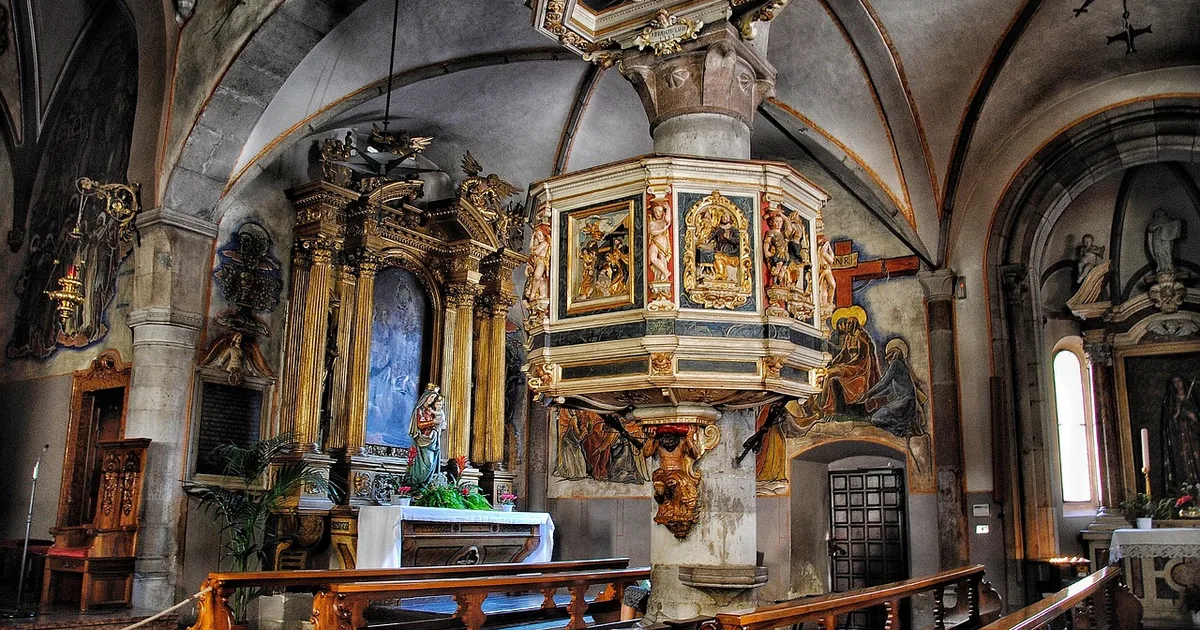
This humility is what makes the Kevelaer pilgrimage so special. It's not about grand events but about a quiet encounter with the divine. The shrine echoes Jesus' words from the Gospel of Matthew: 'Come to me, all you who are weary and burdened, and I will give you rest' (Matthew 11:28, New International Version). In a world often filled with noise and haste, Kevelaer offers a place of peace and reflection.
The history of the pilgrimage: from beginnings to today
The pilgrimage to the image of the Comforter of the Afflicted in Kevelaer dates back to the mid-17th century. According to tradition, a merchant named Hendrick Busman had a vision in 1641 that led to the construction of a chapel. Soon Kevelaer became a major pilgrimage site, attracting people from around the world. A highlight was the visit of Pope John Paul II on May 2, 1987. He consecrated Germany to the Virgin of Kevelaer, underscoring the national significance of this place.
This pilgrimage season, which traditionally runs from May 1 to All Saints' Day on November 1, focuses on a special theme. 'We want to look to Mary, who in a very special way made room for Jesus. Essentially, we want to learn from her how exciting a life with God can be when we make room for Him and His plans,' explains Father Dördelmann. This perspective invites us to reflect on our own relationship with God and to see Mary as a model of faith.
The meaning of the image
The image of the Comforter of the Afflicted shows Mary holding the baby Jesus. It is a picture of tenderness and comfort, especially appealing to those who come to Kevelaer with worries and needs. The rector emphasizes: 'This seemingly insignificant image exerts a fascination on so many people who come to Kevelaer with their concerns.' It is the simple message that God is present in the small things of everyday life that touches pilgrims' hearts.
Highlights of the pilgrimage season: community and stillness
For Father Dördelmann, the large liturgical celebrations are especially thrilling. 'When the organ—which has a very special place here—resounds in the basilica and everyone sings with all their might, I get goosebumps. I can't describe it any other way.' These moments of community, where a thousand voices blend into a song of praise, are unforgettable for him.
Yet he equally treasures the quiet moments: 'On the other hand, I am just as fascinated when we pause in silence in a very small group and I sense that people are deeply connected to what is on their hearts. That moves me just as much.' The pilgrimage offers both: the infectious energy of a large community and the intimate depth of personal devotion.
Practical tips for pilgrims
If you are planning a trip to Kevelaer, consider the following:
- The pilgrimage season runs from May 1 to November 1.
- The basilica is open daily for personal prayer.
- Confession and spiritual guidance are available.
- Book accommodation in advance, especially on weekends and holidays.
- Wear comfortable shoes, as there are many walking routes.
In short, Kevelaer is a place where small things become great, and where faith is renewed in simplicity. We invite you to experience this unique pilgrimage.





Comments