
In a world where artificial intelligence is reshaping everything from how we work to how we communicate, education stands at a crossroads. Pope Leo XIV, in his recent message to a graduating class at a major university, posed a question that resonates deeply with Christians and all people of goodwill: Can we keep education human in an age of intelligent machines? This is not a question about rejecting technology, but about ensuring that our souls, our relationships, and our capacity for wonder are not lost in the rush to efficiency.
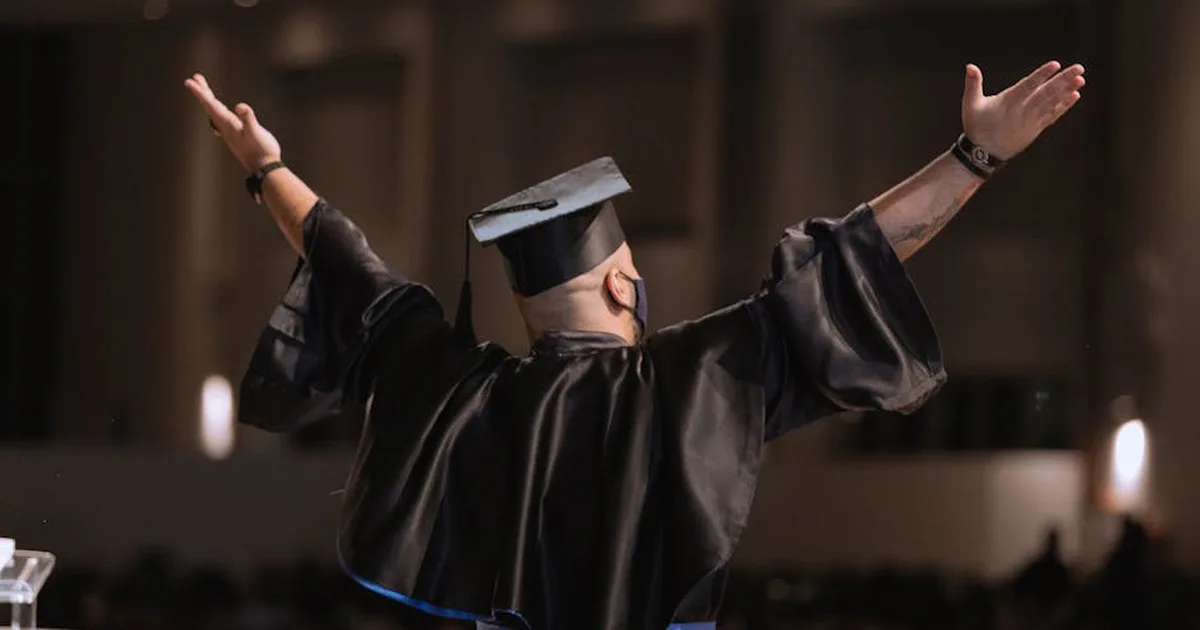
As followers of Christ, we are called to be in the world but not of it (John 17:14-16). Technology is a gift from God, a tool that can be used for good or for ill. The challenge is to use it wisely, without allowing it to diminish what makes us truly human: our ability to love, to create, to ask why, and to seek meaning beyond data.
What Does It Mean to Be Human in Education?
Education, at its core, is about formation, not just information. It is about shaping hearts and minds to know truth, to love goodness, and to create beauty. The Bible reminds us that wisdom begins with the fear of the Lord (Proverbs 9:10). True education is a journey toward wisdom, not just a transfer of facts or skills. In an age where AI can answer questions and even write essays, we must ask: What is the purpose of learning?
Pope Leo's message echoes a concern that many educators share. When we outsource our thinking to machines, we risk losing the very habits of mind that make us human: curiosity, critical thinking, empathy, and moral discernment. As Saint Paul writes, “Do not be conformed to this world, but be transformed by the renewal of your mind” (Romans 12:2). This renewal is a deeply human process, one that cannot be automated.
The Role of Community in Learning
One of the most important aspects of education is the community in which it takes place. Learning is not a solitary activity; it happens in relationship with teachers, classmates, and the broader world. The early church understood this, as we see in Acts 2:42: “They devoted themselves to the apostles' teaching and to fellowship, to the breaking of bread and to prayer.” Education is a communal act, a sharing of wisdom across generations. AI can provide information, but it cannot offer the warmth of a mentor's encouragement or the challenge of a friend's question.
Technology as a Tool, Not a Master
Pope Leo's message is not anti-technology. He acknowledges the benefits of AI in medicine, communications, and many other fields. But he warns against allowing technology to define our values or to replace the human touch. In the book of Genesis, God gives humanity dominion over creation, not to exploit it, but to care for it (Genesis 1:28). This includes the tools we create. We are called to be stewards of technology, using it to serve human flourishing, not to diminish it.
In education, this means using AI to assist teachers, not replace them. It means ensuring that students still learn to think critically, to wrestle with difficult texts, and to engage in face-to-face dialogue. The goal is not to compete with machines, but to cultivate the uniquely human qualities that machines cannot replicate: creativity, compassion, and the capacity for self-sacrificial love.
Practical Wisdom for Christian Educators
For those involved in Christian education, whether in schools, churches, or families, Pope Leo's words offer a timely reminder. We must teach our children not only how to use technology, but also how to evaluate its impact on their souls. This means integrating faith and learning in every subject, asking questions like: How does this technology affect my relationship with God and others? Does it help me grow in virtue? Does it lead me to love my neighbor more deeply?
As Jesus taught, “You shall love the Lord your God with all your heart and with all your soul and with all your mind” (Matthew 22:37). Loving God with our minds means using our intellects to seek truth, but it also means recognizing the limits of our own understanding and the need for divine wisdom. In an age of information overload, we must help students cultivate silence and contemplation, the spaces where God speaks to the heart.
Hope for the Future of Education
Despite the challenges, there is reason for hope. The very fact that Pope Leo is asking these questions shows that the Church is awake to the issues of our time. Many educators around the world are already finding creative ways to integrate technology while preserving the human element. They are using AI to personalize learning for students with special needs, to free up time for more meaningful interactions, and to connect classrooms across the globe in service projects.
The Bible is full of stories of God using unexpected tools to accomplish his purposes. From a donkey speaking to Balaam (Numbers 22:28) to a small boy's lunch feeding thousands (John 6:9), God can use anything for good. So too with technology. The key is to remain grounded in our faith, to hold fast to what is true, and to love God and neighbor above all else.
“Whatever is true, whatever is noble, whatever is right, whatever is pure, whatever is lovely, whatever is admirable—if anything is excellent or praiseworthy—think about such things.” — Philippians 4:8 (NIV)
A Call to Action for Every Christian
Pope Leo's message is not just for educators or students; it is for every Christian who uses technology. We all have a role to play in keeping education human. This means being intentional about our own learning, seeking wisdom over mere knowledge, and passing on our faith to the next generation. It means supporting schools and teachers who prioritize character formation alongside academic excellence. And it means advocating for policies that ensure technology serves the common good.
As you go about your day, consider this: How can you use technology in a way that honors God and serves others? Perhaps it is by limiting screen time to have more face-to-face conversations, or by using AI to help you study Scripture more deeply, or by teaching a young person to think critically about the media they consume. Every small step matters.
Let us pray for the wisdom to navigate these changing times, trusting that the One who is the same yesterday, today, and forever (Hebrews 13:8) will guide us. May we never lose sight of the human heart, which God created to know him and to love him forever.




Comments