
In the heart of 16th-century Spain, an exceptional spiritual figure left his mark through the depth of his faith and the power of his preaching. Saint John of Avila, born in 1500 near Toledo, is recognized as one of the great masters of the interior life. Coming from a family of Jewish converts, he showed from an early age a burning desire to know God and make Him known. His studies at Salamanca and Alcalá gave him a solid theological foundation, but it was his personal encounter with Christ that transformed his life. Ordained a priest, he chose to leave everything to proclaim the Gospel, selling his possessions to give to the poor. His ministry unfolded in Andalusia, where entire crowds came to listen to him.
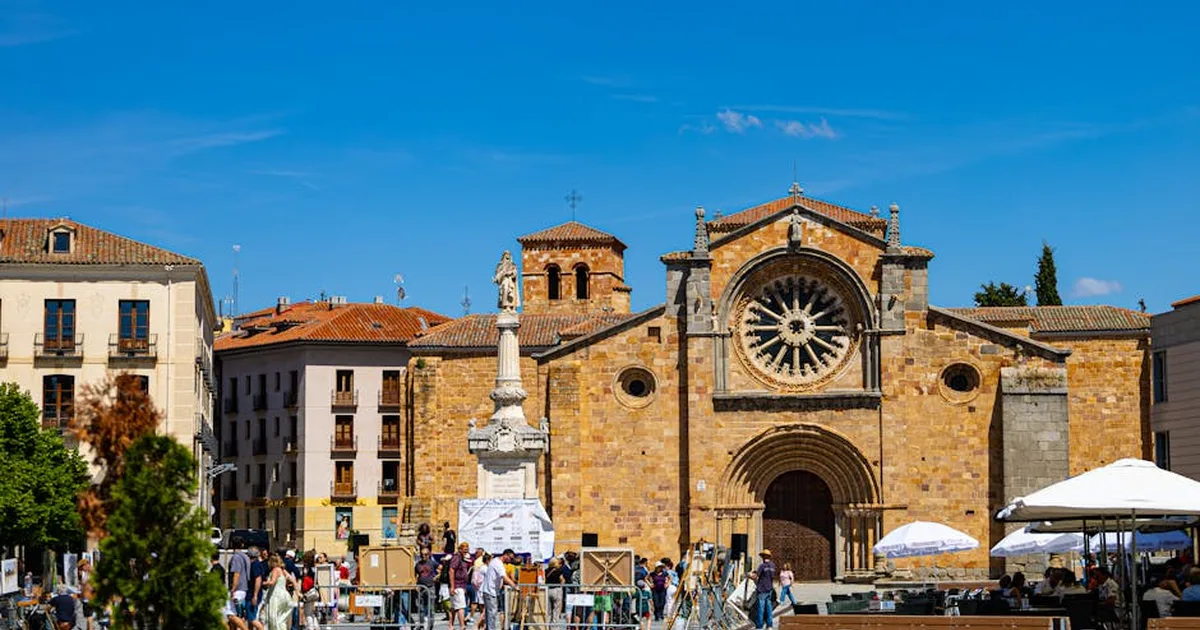
What strikes us about Saint John of Avila is the intimate union between prayer and action. He never separated contemplation from proclaiming the Word. For him, knowledge of God had to lead to a deep conversion of the heart. In his writings, he insists on the need to know oneself in order to better open oneself to divine grace. "Know yourself, and you will know God," he liked to repeat. This spirituality influenced many saints, such as John of God, Francis Borgia, and Teresa of Avila.
"Blessed are the pure in heart, for they will see God" (Matthew 5:8, NIV)
This beatitude sums up John of Avila's teaching well: purity of heart is the key to seeing God. He encouraged the faithful to let themselves be purified by the Holy Spirit in order to enter into a loving relationship with the Lord.
The Trial of Prison and the Grace of Suffering
Saint John of Avila's life was not a smooth one. His spiritual rigor and freedom of speech aroused suspicion. Unjustly accused of heresy, he was imprisoned by the Spanish Inquisition. This trial was for him a participation in the mystery of Christ's cross. Far from rebelling, he accepted this suffering as a grace. During his detention, he wrote a large part of his spiritual works, including the famous "Audi, filia" (Listen, daughter). These writings, of great theological depth, are still studied today.
Pope Paul VI noted that Saint John of Avila "overcame these trials through intense spirituality." Indeed, his faith was not shaken by injustice. On the contrary, he found in suffering a path of union with the crucified Christ. This experience gave him a particular authority to accompany souls in their own trials. He is a model for all those who go through moments of doubt or persecution.
"But rejoice inasmuch as you participate in the sufferings of Christ, so that you may be overjoyed when his glory is revealed" (1 Peter 4:13, NIV)
Saint John of Avila lived out this word of the apostle Peter. His joy was not superficial, but drawn from the certainty that suffering offered to God bears fruit for the Church.
A Doctor for the Church Today
In 2012, Pope Benedict XVI proclaimed Saint John of Avila a Doctor of the Church, alongside Saint Hildegard of Bingen. This title recognizes the wisdom and relevance of his teaching. But what can this 16th-century saint say to us, 21st-century Christians? A lot! First, he reminds us of the importance of spiritual formation. In a fast-paced world, he invites us to take time for prayer and meditation on God's Word. Second, he teaches us that holiness is not reserved for an elite, but is accessible to all who sincerely seek God.
His message is also a call to inner conversion. It is not just about external practices, but about a transformation of the heart that leads us to love God and neighbor authentically. Saint John of Avila encourages us to rediscover the beauty of the Christian life, lived with simplicity and commitment. In times of uncertainty, his example sustains us and reminds us that God never abandons those who trust in Him.





Comments