
In the sixth century BC, as the kingdom of Judah trembled under the Babylonian threat, God chose a man to speak his word. Jeremiah, from a priestly family in Anathoth, was a shy and hesitant young man. When the Lord called him, he replied, "Ah, Sovereign Lord! I do not know how to speak; I am too young" (Jeremiah 1:6, NIV). But God is not stopped by our limitations: he touched Jeremiah's mouth and said, "I have put my words in your mouth" (Jeremiah 1:9, NIV).
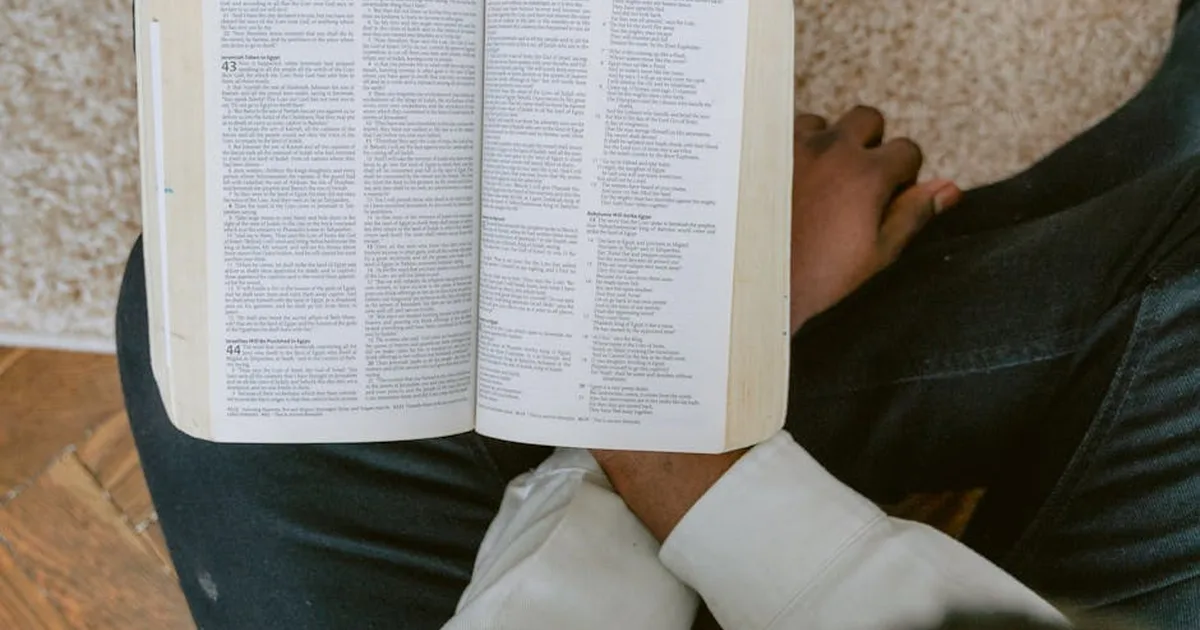
This divine calling even preceded the prophet's birth: "Before I formed you in the womb I knew you" (Jeremiah 1:5, NIV). Thus Jeremiah became a chosen witness, tasked with announcing judgment and restoration. His mission was difficult: he had to denounce the idolatry and injustice of his people, which earned him the hostility of kings, priests, and the people.
The Weeping Prophet
Jeremiah is often called the "weeping prophet" because of his deep sorrow at the rejection of his message and the suffering of his people. He wrote, "Oh, that my head were a spring of water and my eyes a fountain of tears! I would weep day and night for the slain of my people" (Jeremiah 9:1, NIV). His sensitivity was not a sign of weakness but a mark of his love for God and his people.
Despite persecutions—he was beaten, put in stocks, thrown into a cistern—Jeremiah remained faithful. He continued to proclaim God's word, even when it was unpopular. His life illustrates the suffering of the faithful servant, and the church sees in him a foreshadowing of Christ, rejected and crucified for the truth.
A New Covenant Written on the Heart
At the heart of his prophecies of judgment, Jeremiah announces a stirring hope: "The days are coming," declares the Lord, "when I will make a new covenant with the people of Israel and with the people of Judah" (Jeremiah 31:31, NIV). This covenant will no longer be engraved on stone tablets but "on their hearts" (Jeremiah 31:33, NIV).
This promise goes beyond the Old Testament and finds its fulfillment in Jesus Christ. Through his death and resurrection, the Lord establishes a personal and intimate relationship with every believer, based on grace and the knowledge of God. Jeremiah reminds us that God is not content with external rules; he wants to transform our hearts.
A Message for Today
Jeremiah's life still speaks to us today. In a world where truth is often relativized and faithfulness costs dearly, the prophet invites us to listen to God, even when his word disturbs us. He encourages us to persevere in faith despite opposition and to place our hope in the new covenant that God offers in Jesus Christ.
Take a moment to reflect: In my life, are there areas where I resist God's word? Am I willing to trust him, even when everything around me shakes? Like Jeremiah, we can be witnesses of hope, not by our own strength but by the power of the One who calls us.





Comments