
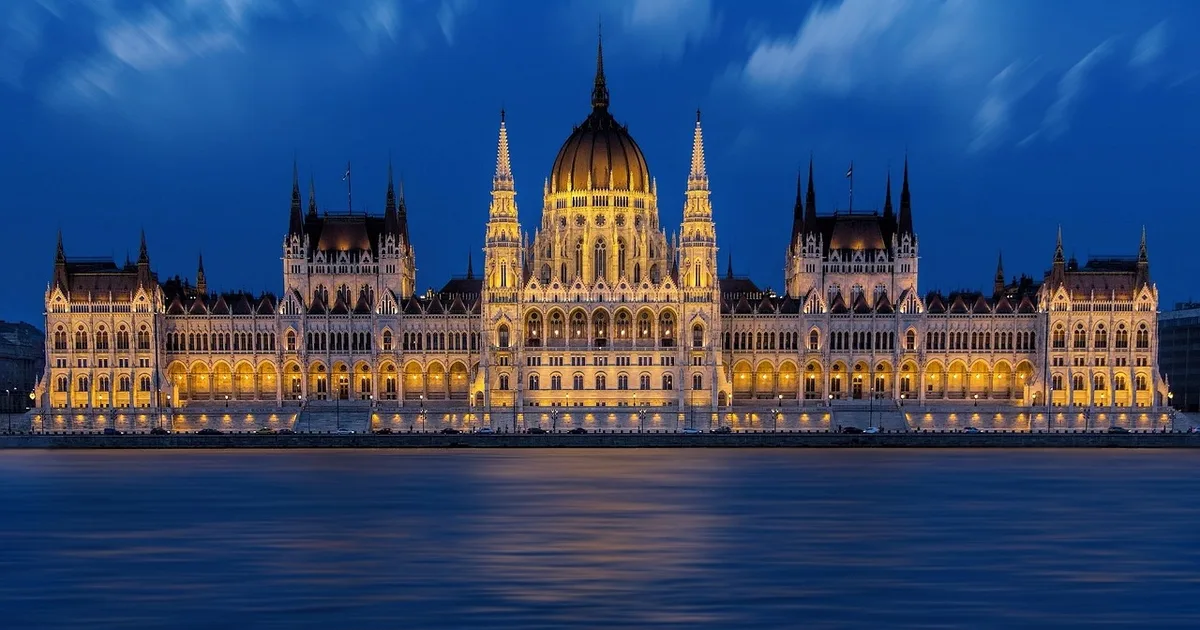
Dear brothers and sisters, in recent weeks international attention has turned to Hungary, where a significant political change has occurred. After years of stable leadership, recent elections have brought about a new scenario, with Péter Magyar receiving the congratulatory call from outgoing Viktor Orbán. This moment of transition invites us to reflect, as a Christian community, on how to live through social and political changes while keeping our faith steadfast.
Politics in the Context of Faith
As Christians, we are called to be responsible citizens attentive to the life of the society in which we live. The Bible reminds us that authorities are established by God, as we read in the Letter to the Romans:
"Let everyone be subject to the governing authorities, for there is no authority except that which God has established. The authorities that exist have been established by God" (Romans 13:1 NIV).This does not mean we should be passive in the face of political changes, but rather that we can face them with the awareness that God is sovereign over every human situation.
Grace in Times of Transition
What stands out in the Hungarian news is the grace shown by Viktor Orbán in congratulating his successor. This gesture, which might seem merely formal, actually contains a profound evangelical teaching. Jesus calls us to live relationships characterized by mutual respect, even when we disagree or find ourselves in situations of change.
"So in everything, do to others what you would have them do to you, for this sums up the Law and the Prophets" (Matthew 7:12 NIV).
Hope Beyond Elections
In a world where election results can generate anxiety or euphoria, our faith offers us a deeper perspective. True hope for a just and peaceful society does not reside exclusively in human governments, but in the transformative work that God accomplishes in people's hearts. The prophet Jeremiah wrote to the people in exile, inviting them to seek the good of the city where they found themselves:
"Seek the peace and prosperity of the city to which I have carried you into exile. Pray to the Lord for it, because if it prospers, you too will prosper" (Jeremiah 29:7 NIV).This invitation is valid for us today as well, in every political context.
Three Christian Attitudes Toward Political Changes
- Prayer: Pray for rulers and all those with public responsibilities, as the apostle Paul urges us (1 Timothy 2:1-2).
- Discernment: Evaluate policies and decisions in light of the evangelical values of justice, mercy, and the dignity of every person.
- Constructive Engagement: Contribute to the common good through our work, civic participation, and works of charity.
Leadership in Service
The leadership model that Jesus presents to his disciples is radically different from that of the world. While earthly governments may seek power and influence, Christ shows us that true greatness consists in serving:
"The greatest among you will be your servant. For those who exalt themselves will be humbled, and those who humble themselves will be exalted" (Matthew 23:11-12 NIV).This vision can inspire not only political leaders but each of us in our communities, families, and workplaces.
Building Bridges in Times of Change
In moments of political transition, societies can experience divisions and tensions. We Christians are called to be peacemakers and bridge builders. Pope León XIV, in his first encyclical, has emphasized the importance of dialogue and mutual listening to build more just and supportive societies.





Comments