
Being a mother is one of life's most transformative experiences, yet also one of the most challenging. Amid the joys, many women face loneliness, exhaustion, and the pressure to meet unrealistic expectations. In the United States, for instance, single mothers' participation in religious communities has dropped sharply, and many report feeling judged rather than welcomed. This reality is not isolated: around the world, mothers in poverty struggle to feed their children, face pregnancies without adequate care, and care for newborns without medical or emotional support.
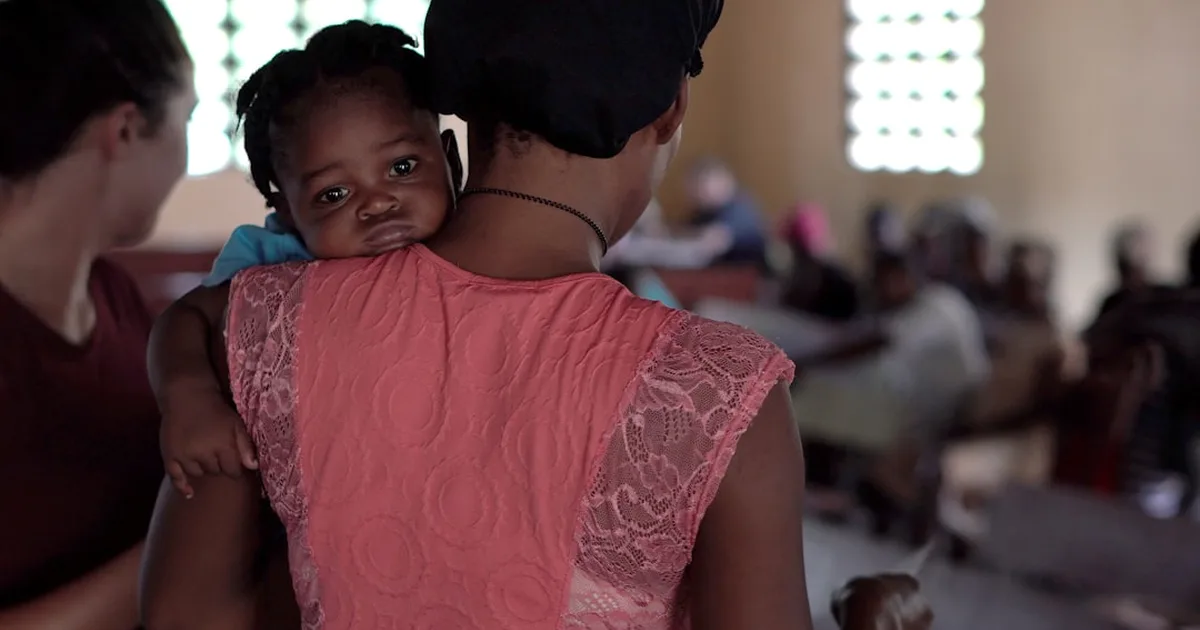
Maternal loneliness is a global phenomenon affecting women's mental and physical health. Studies show that social isolation during motherhood can lead to postpartum depression and hinder child development. The church, as the body of Christ, is called to be a space of welcome and care, but often fails to provide the practical and emotional support mothers need.
“Instruct the wise and they will be wiser still; teach the righteous and they will add to their learning.” (Proverbs 9:9, NIV)
Biblical wisdom invites us to learn and teach, but also to act. The church must go beyond words and become a community that truly sustains mothers on their journeys.
The Biblical Model of Community
The book of Acts gives us a powerful picture of what the early church was: a community devoted to teaching, fellowship, sharing meals, and prayer. In Acts 2:42-47, we read that believers sold their property and possessions to distribute to anyone who had need. There was no judgment, isolation, or competition. This model of community is the antidote to the loneliness and burnout so many mothers experience today.
When the church lives out this ideal, it becomes a place where mothers can be authentic about their struggles without fear of criticism. A mother who breastfeeds in public does not need to hide; a mother who chooses formula does not need to justify herself. The Christian community should be a space of grace, where parenting choices are respected and support is unconditional.
Examples of Practical Support
In many communities around the world, churches are implementing programs that range from support groups for single mothers to community childcare. In the Dominican Republic, Compassion International's Nurturers program has been a light for mothers in vulnerable situations. They receive prenatal care, nutritional guidance, and a safe space to share their difficulties.
A telling case is that of a grandmother who, after her daughter died during childbirth, cared for her malnourished grandson for four months, feeding him pasta water, until the boy could be enrolled in the program and receive proper nutrition. This story illustrates how church support can literally save lives.
The Church's Role in Strengthening Mothers
The church is not just a place of worship but a spiritual family. Mothers are the lifeblood of that family, and when they thrive, their children also flourish. It is essential that Christian communities recognize the value of mothers and invest in their holistic well-being: spiritual, emotional, and physical.
A church that supports mothers offers not only prayer but also concrete actions: babysitting rotations, diaper and food donations, pastoral counseling, and Bible study groups that address topics like anxiety, finances, and parenting. Moreover, it is crucial that church leadership is attentive to signs of maternal burnout and offers support without judgment.
“Religion that God our Father accepts as pure and faultless is this: to look after orphans and widows in their distress and to keep oneself from being polluted by the world.” (James 1:27, NIV)
James reminds us that caring for the vulnerable is at the heart of the gospel. The church should be a refuge where mothers find rest, encouragement, and practical help. In a world that often overwhelms them, the Christian community is called to be a tangible reminder of God's love.





Comments