
At the Jean-Pierre Olié Mental Health Hospital in Equatorial Guinea, a place where silence often speaks louder than words, something extraordinary happened in recent months. The visit of Pope Leo XIV, who assumed the Petrine ministry in May 2025 following the passing of beloved Pope Francis, became a moment of palpable grace for patients, doctors, and staff alike. This pastoral gesture, which broke down invisible yet very real barriers, resonated deeply within a community accustomed to feeling marginalized.
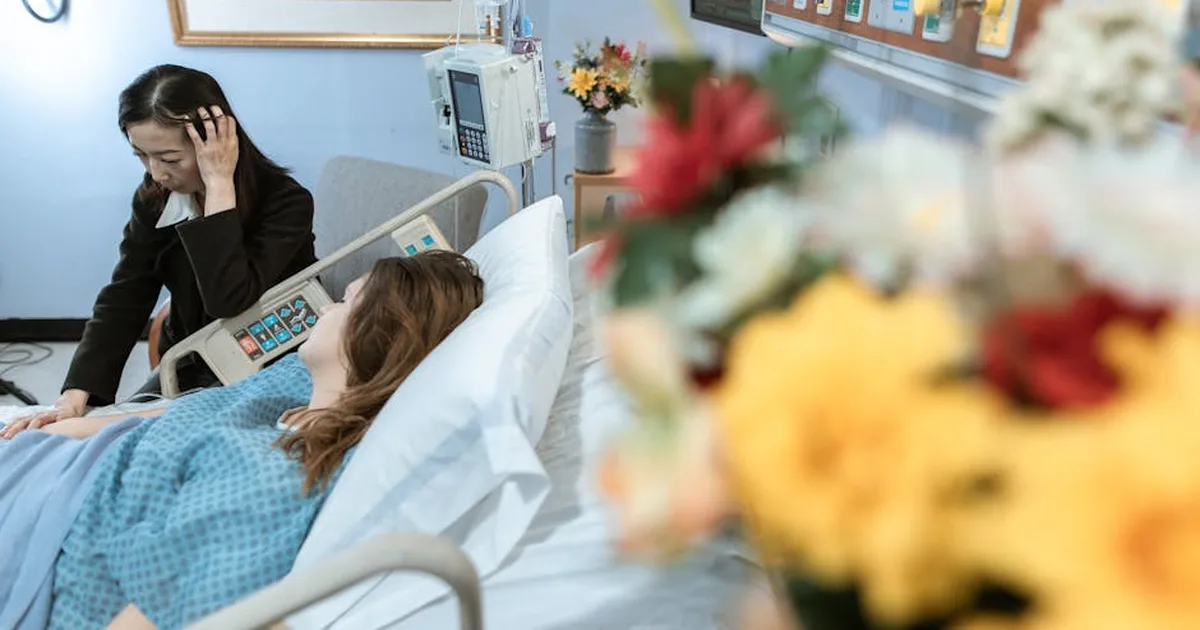
The institution, which since 2014 has been a beacon of hope in a country where historically only 3% of people with mental illnesses received adequate care, witnessed how a simple act of presence can heal deep wounds. For those who daily struggle with psychological disorders, the Holy Father's visit represented much more than a protocol event: it was a divine validation of their human dignity.
Pedro Celestino Nzerem Koose, a patient who has walked the path of recovery, eloquently expressed what many felt: "Our hearts overflow with emotion." His words, spoken directly to Pope Leo XIV, captured the essence of what it means to be seen, heard, and valued when the world seems to have forgotten you.
The Healing Power of Pastoral Presence
In a world where mental health remains taboo in many Christian communities, Pope Leo XIV's visit to the psychiatric hospital sent a powerful message: the Church walks alongside those who suffer in silence. This pastoral act reflects the teachings of Jesus, who constantly reached out to the marginalized, the sick, and those forgotten by society.
Scripture reminds us in
"Come to me, all you who are weary and burdened, and I will give you rest" (Matthew 11:28, NIV)a call especially meaningful for those carrying the invisible weight of mental illnesses. The Pope, as Peter's successor, embodied this mandate by bringing Christ's comforting presence to a space where psychological pain is often endured in solitude.
The most striking aspect of this encounter was how it transformed patients' perception of themselves. Many, accustomed to feeling like a burden or a problem, experienced for the first time the sensation of being protagonists in their own healing story. The simple presence of the Catholic Church's leader reminded them that their struggle doesn't define them, that their worth transcends any diagnosis.
Breaking Stigmas with Compassion
In many of our Christian communities, the mistaken idea still persists that mental health problems result from lack of faith or spiritual weakness. Pope Leo XIV's visit to the psychiatric hospital directly challenges these prejudices, showing that Christian compassion must extend to all forms of human suffering.
The apostle Paul teaches us in
"Rejoice with those who rejoice; mourn with those who mourn" (Romans 12:15, NIV)a principle that gains special relevance when we accompany those facing mental illnesses. Christian solidarity makes no distinction between physical and psychological pain, recognizing that both deserve our pastoral attention and community support.
The mental health professionals working at the hospital also received special recognition during the visit. Their work, described by patients as "unwavering dedication," was publicly validated by the Holy Father, reminding us that mental health care is itself a ministry, a concrete way to live out the commandment to love our neighbor.
Hope as Medicine for the Soul
Pedro Celestino's testimony, along with those of other patients, revealed how hope can become a powerful therapeutic agent. In a context where mental illness often isolates people from their communities, the Pope's visit created a bridge of understanding and acceptance. This experience demonstrates that faith and mental health care are not contradictory but complementary paths toward human wholeness.
The visit also highlighted the importance of creating safe spaces within our churches where people can share their mental health struggles without fear of judgment. As Christian communities, we are called to be sanctuaries of compassion where every person, regardless of their psychological condition, finds acceptance and support on their journey toward healing.





Comments