
When we consider the spread of the Gospel, we cannot help but marvel at the courage of those first messengers who carried the Word to distant corners of the world. In the mid-19th century, while many nations were undergoing profound changes, a group of Catholic missionaries embarked on a journey that would forever change the spiritual landscape of a region. These men, moved by Jesus' command to "go and make disciples of all nations" (Matthew 28:19), crossed oceans to plant the seed of the Gospel in African soil.
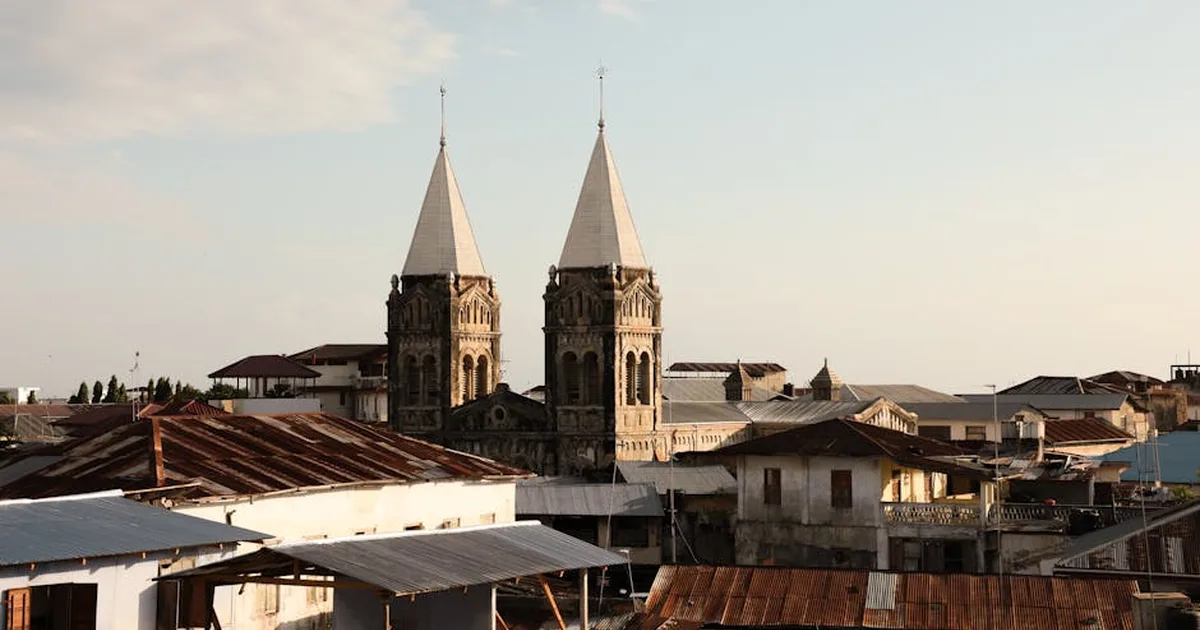
Their arrival was not an isolated event, but part of a broader movement where Christ's love demonstrated its power to transcend cultures, languages, and traditions. These pioneers faced challenges that seem insurmountable to us today: unfamiliar climates, tropical diseases, language barriers, and the need to understand completely different worldviews. Yet their conviction was stronger than any obstacle, for they firmly believed in Paul's words: "I can do all things through Christ who strengthens me" (Philippians 4:13).
The extraordinary nature of this story lies not only in the missionaries' bravery, but in how the seed they planted took deep root in the fertile ground of hearts open to God. The communities that received the Gospel message were not merely passive recipients, but embraced the faith with a vitality that would soon bear indigenous fruit, adapting Christian expression to their own cultural realities while maintaining the essence of the saving message.
Where Cultures Meet, God's Kingdom Grows
The process of the Gospel's inculturation in Africa represents one of the most fascinating chapters in missionary history. The missionaries did not come to impose a foreign culture, but to present Christ in a way that would resonate in the hearts of indigenous peoples. This encounter between Christian faith and African cultures produced a beautiful synthesis where the essential Gospel message was clothed in local colors.
The different ethnic groups inhabiting the region, each with their rich traditions and worldviews, found in the Gospel answers to their deepest longings. The Word of God, as Hebrews 4:12 says, proved to be "living and active, sharper than any two-edged sword," capable of penetrating to the innermost part of each culture to redeem what was valuable and transform what needed healing. Faith did not erase cultural identities, but purified and elevated them, creating authentically African Christian expressions.
This process reminds us of John's vision in Revelation, where he sees "a great multitude that no one could count, from every nation, tribe, people and language" (Revelation 7:9) praising the Lamb. Christian mission has never sought cultural uniformity, but unity in diversity, where each people brings their particular gifts to the great mosaic of Christ's Body. The richness of the universal Church manifests precisely in this capacity to welcome faith in a thousand different colors.
Enduring Testimonies
The fruits of that missionary sowing remain visible today in the vibrant Christian communities that have emerged. Generations of believers have kept the flame of faith alive, passing it to their children and contributing to the growth of God's Kingdom in their land. These communities are not simply heirs of an imported tradition, but have made the faith their own, developing a spirituality deeply rooted in their context.
The testimonies of conversion, service, and martyrdom that have emerged from these lands enrich the entire universal Church. They remind us that the Gospel is always new, always relevant, capable of inspiring heroism and holiness in any latitude. As Paul wrote to the Corinthians: "Already you have all you want! Already you have become rich!" (1 Corinthians 4:8). The African Christian experience teaches us that true wealth lies not in material abundance, but in spiritual depth and communal solidarity.
Today, as we remember the legacy of those early missionaries, we are invited to reflect on our own missionary vocation. The borders we are called to cross may not be geographical, but they are just as real: barriers of indifference, prejudice, and isolation. The same Christ who sent those 19th-century missionaries sends us today to be witnesses of his love in our families, workplaces, and communities.





Comments