
In a corner of Syria marked by years of conflict and suffering, a light of hope is about to shine. In Knaye, in the Idlib governorate, Caritas Syria will open a new office dedicated to an ambitious restoration project. The goal is to restore dignified homes to about 150 Christian families who had to abandon their villages due to the war and the devastating earthquake of February 2023. This intervention is not just a work of material reconstruction, but a true act of faith in the possibility of a future of peace and coexistence.
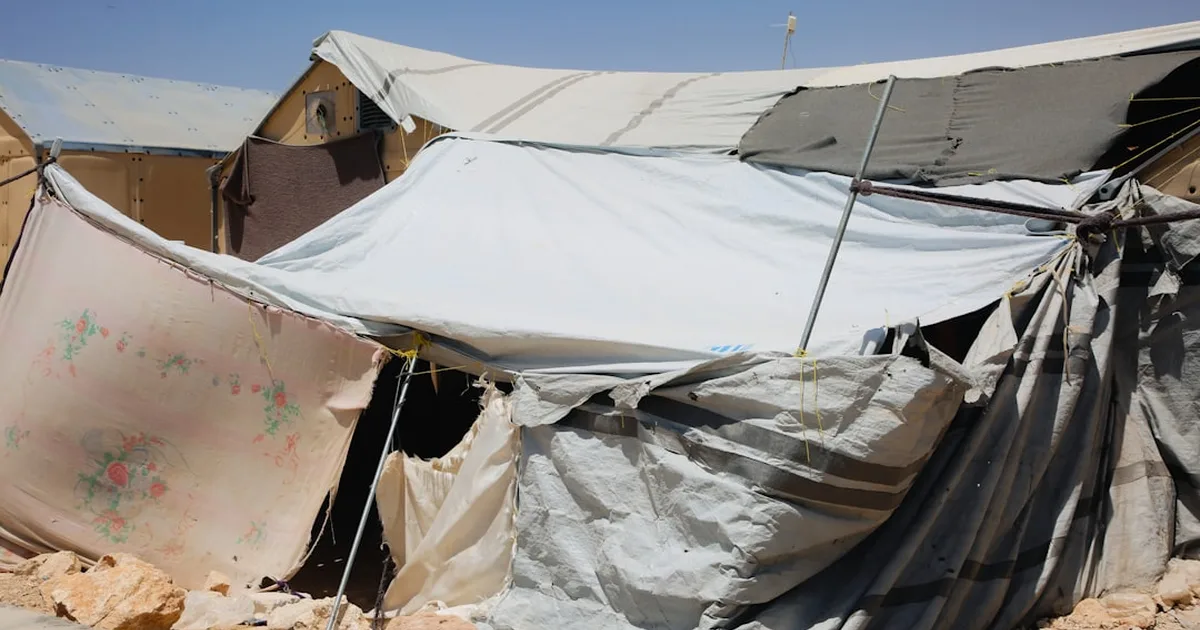
The new office in Knaye will be linked to Caritas headquarters in Damascus and other regional offices, such as those in Aleppo and Homs. In this initial phase, Caritas Syria is supported by Caritas Italy, which has long operated in the country with its own workers. Among them, Davide Chiarot, coordinator of humanitarian interventions, explains the heart of the initiative: "We want to support local Christian communities, helping all those families who wish to return to their homes and lands. The first need we found is to rehabilitate and restore homes to revitalize the territories."
Teamwork for the Common Good
The project goes beyond building restoration. Local Caritas teams have already conducted technical surveys to assess the condition of homes in the rural villages of Knaye, Yacoubieh, and Gidaideh. The aim is to identify the most effective actions to meet the concrete needs of residents. About 70 families have been identified to see work begin this spring, as Chiarot confirms: "It is the first step of the project, which when completed will give a restored home to about 150 families."
The possibility of restoring homes belonging to Christian families is also a sign of political change in the region. Once controlled by Islamist rebel groups, the Idlib area is now under the government of Ahmed al-Sharaa, known as Abu Mohammad al-Jolani, leader of Hayat Tahrir al-Sham (HTS). Al-Sharaa has initiated a phase of political transition that, thanks also to the mediation of many priests, has allowed the return of homes and lands to Christians. This represents an important step toward peaceful coexistence.
"Blessed are the peacemakers, for they will be called children of God" (Matthew 5:9, NIV).
This gospel promise resonates strongly in a context where reconciliation is still fragile but possible. Caritas' work is not only material: it is a bridge thrown toward a future of fraternity.
Looking Ahead: Spaces for Encounter and Reconciliation
Looking forward, Davide Chiarot reveals a dream: "We would like to help Caritas Syria create, in these villages, also public spaces to be made available to everyone, maybe a playground or something similar. Initiatives that also aim at reconciliation and coexistence." These places would become tangible symbols of a community rebuilding not only homes but hearts.
The presence of Caritas Italy alongside Caritas Syria is an example of solidarity that crosses borders. As Christians, we are called to be "the salt of the earth" and "the light of the world" (Matthew 5:13-14, NIV), bringing hope where there is despair. This project is a living testimony of how faith can translate into concrete actions of love for neighbor.
The Role of Prayer and Support
As a faith community, we can support these initiatives with prayer and, if possible, with concrete contributions. The Bible reminds us: "Carry each other's burdens, and in this way you will fulfill the law of Christ" (Galatians 6:2, NIV). Every gesture of solidarity, even small, can make a difference in the lives of those who have lost so much.





Comments