
Deep in the eastern forests of Madagascar, where many maps show only emptiness, a community called Ambodibibaka has lived for generations isolated from the outside world. This village, so remote that few outside its region knew of its existence, maintained for decades ancestral traditions and strong spiritual resistance to the Gospel. Previous missionary attempts encountered nearly insurmountable barriers, with residents showing disinterest and even hostility to the Christian message. But as Psalm 139:7-10 reminds us, "Where can I go from your Spirit? Where can I flee from your presence? If I go up to the heavens, you are there; if I make my bed in the depths, you are there. If I rise on the wings of the dawn, if I settle on the far side of the sea, even there your hand will guide me, your right hand will hold me fast" (NIV).
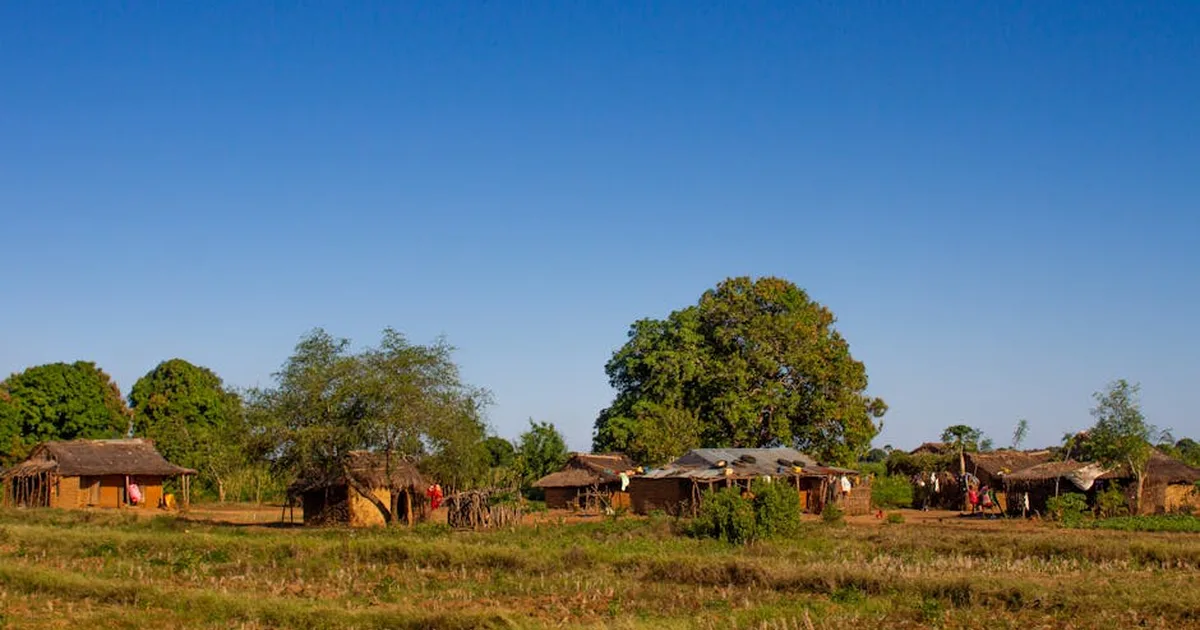
The geographical isolation of Ambodibibaka created a natural barrier that preserved ancient customs, but also prevented the light of the Gospel from illuminating their paths. Families lived according to practices passed down orally by ancestors, with rituals and beliefs shaping every aspect of their existence. Missionaries who previously tried to reach the community reported feeling a "spiritual thickness" in the air, as if darkness had established a particular dominion over that region. Yet the story of Ambodibibaka was about to take an unexpected turn, demonstrating that no place is beyond the reach of divine love.
The Transformative Power of Practical Compassion
The change began not with eloquent sermons or theological debates, but with simple gestures of tangible love. The missionary organization Samaritan's Purse, through its Operation Christmas Child project, sent a team of Christians from Analanjirofo in northeastern Madagascar to remote Ambodibibaka. The approach was different: first demonstrate Christ's love through concrete actions before sharing words about Him. As James writes in his epistle: "Religion that God our Father accepts as pure and faultless is this: to look after orphans and widows in their distress and to keep oneself from being polluted by the world" (James 1:27, NIV).
The missionaries arrived carrying not only Bibles, but also carefully prepared gift boxes for the village children. These boxes, containing practical and educational items, represented more than material objects—they symbolized genuine interest in the community's wellbeing. Parents, initially suspicious, began helping carry the boxes, creating a first point of connection between visitors and residents. This practical demonstration of love broke barriers that years of conventional approaches had failed to overcome.
While distributing gifts, missionaries shared stories about Jesus in accessible ways, connecting biblical teachings with the community's lived reality. They spoke about God's care for the marginalized, His compassion for those who suffer, and His promise of abundant life. The combination of compassionate action and verbal testimony created an environment where hearts, once closed, began opening to the possibility of a faith different from what they knew.
The Crucial Role of Intercessory Prayer
Behind this missionary initiative was an extensive prayer network. Christians from various denominations in Madagascar and around the world had united in intercession for the Ambodibibaka community. They prayed specifically for the removal of spiritual barriers, for residents' receptiveness, and for missionaries' protection. This prayer coverage created an essential spiritual foundation for the work developing in the field. As Paul exhorts in Ephesians 6:18, "Pray in the Spirit on all occasions with all kinds of prayers and requests. With this in mind, be alert and always keep on praying for all the Lord's people" (NIV).





Comments