
In the evenings preceding Pope Leo XIV's arrival in Cameroon's Northwest Region, the air is thick with hope. Thousands of faithful have been gathering for days, preparing through prayer vigils to welcome Peter's successor. This anticipation isn't merely religious devotion—it represents the deep longing of a population that has endured over a decade of internal conflict tensions.
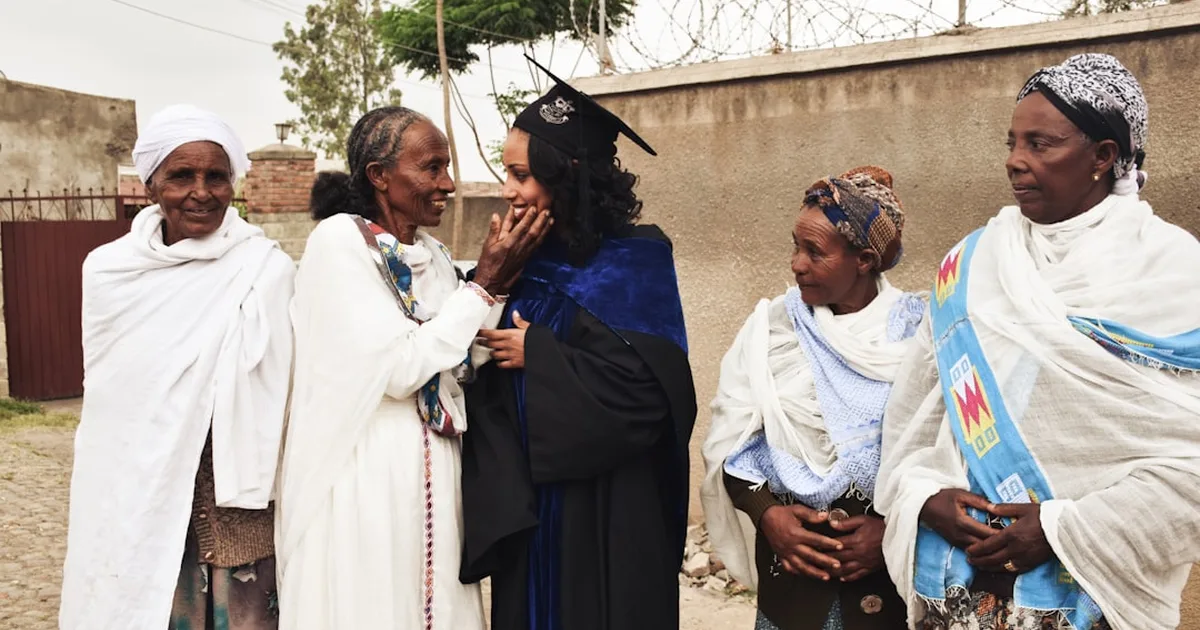
Missionary Antonietta Cipollini, who has served for thirty years in Yaoundé's Redemptoris Hominis community, testifies how confirmation of the apostolic visit has mobilized entire communities. "When we learned Pope Leo would come, there was a genuine rebirth of hope," she shares. "People from different Christian denominations have united in spiritual and practical preparation for this event."
Roads leading to Bamenda, recently damaged, have been repaired in record time—a tangible sign of this visit's importance to the entire region. The local airport has undergone significant improvements, ensuring the pontiff's safe arrival in one of this African nation's most complex areas.
The Context: A Region Seeking Reconciliation
Cameroon's Northwest Region has experienced years of tensions between secessionist groups and government forces. This conflict, rooted in linguistic and cultural issues, has created deep divisions among communities that once coexisted peacefully. Pope Leo XIV's visit comes at a particularly delicate moment, where dialogue appears stalled and peace hopes waver.
Local bishops extended their invitation to the pontiff with precise intention: to bring words of encouragement to suffering populations, while stimulating renewed commitment toward reconciliation. As Psalm 133 reminds us: "How good and pleasant it is when God's people live together in unity!" This verse resonates powerfully in a context where brotherhood has been severely tested.
Missionary Cipollini emphasizes: "Here it's not just about resolving political issues. There's a deeper dimension involving forgiveness, healing memories, rebuilding trust. People await from the Pope not technical solutions, but words that touch hearts and open new possibilities for encounter."
Christian Hope in Times of Conflict
In a context marked by violence and distrust, Christian faith offers precious resources for imagining a different future. Romans reminds us: "And hope does not put us to shame, because God's love has been poured out into our hearts through the Holy Spirit, who has been given to us" (Romans 5:5). This God-rooted hope sustains many local communities that, despite difficulties, continue gathering to pray and support one another.
The prayer vigils preceding the Pope's arrival aren't mere displays of religious enthusiasm. They represent rather a collective exercise in active patience, where waiting transforms into interior preparation. Just as the disciples awaited the Holy Spirit in the upper room, these communities prepare to receive Peter's successor's visit as a particular moment of grace.
Christian tradition offers numerous examples of how prayer can prepare ground for reconciliation processes. Saint Augustine recalled that "peace is not the absence of war, but a virtue that springs from strength of soul." From this perspective, night vigils become schools of peace, where people learn to see others not as enemies, but as fellow human beings.
The Papal Magisterium's Role in Promoting Peace
Pope Leo XIV, elected in May 2025 following Pope Francis's passing, has demonstrated particular sensitivity toward conflict situations since his pontificate's beginning. His previous experience as Prefect of the Congregation for Bishops allowed him intimate knowledge of local Church realities in difficult contexts.
Analysts agree this Cameroon visit could mark a turning point in the peace process. This isn't about direct political intervention, but rather exercising the Petrine ministry as servant of unity and promoter of dialogue. As Vatican II noted, the Church is called to be "a sign and instrument of intimate union with God and of the unity of all humanity."
In Northwest Region Christian communities, expectation is palpable. They prepare not only physical spaces to welcome the Pope, but also their hearts to receive the reconciliation message he brings. In this spiritual Advent season, the apostolic visit presents a unique opportunity to renew hope and rekindle commitment to peace.


Comments