
In a world filled with noise and distractions, there is a call that echoes in the silence of the heart. This is not a generic invitation, but a personal voice that knows our name and our deepest longings. As the prophet Isaiah wrote: "Before I formed you in the womb I knew you, before you were born I set you apart" (NIV). This truth reveals that our existence is not accidental, but part of a greater purpose.
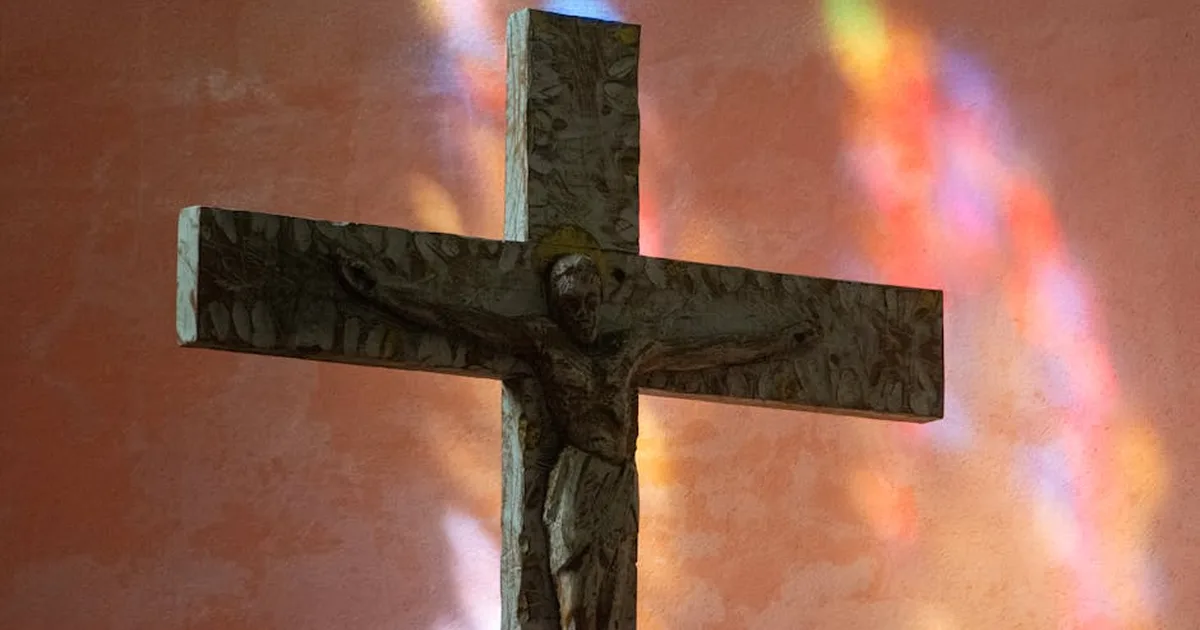
Pope León XIV, in his first message for the World Day of Prayer for Vocations, emphasized precisely this aspect: the divine call is a free gift that blossoms within us. It cannot be bought or earned—it is received as a present. And like every true gift, it carries the signature of the Giver: the unconditional love of our Heavenly Father.
Many Christians experience moments of doubt about their vocation. They wonder if they're on the right path, if they're correctly hearing God's voice. These concerns are natural and even healthy, showing that we take our relationship with the Creator seriously. What matters is keeping our hearts open and attentive to the signs God places along our journey.
The Beauty of the Vocational Path
Following Christ's call doesn't mean merely fulfilling a religious obligation. It means embarking on a journey of discovery where each step reveals new facets of divine beauty. Jesus described himself as the Good Shepherd, the one who knows his sheep and is known by them (John 10:14, NIV). This pastoral image speaks of care, protection, and loving guidance.
The beauty of Christian vocation lies precisely in this intimate relationship with the Shepherd. We don't follow a set of cold rules, but a living person who walks with us. As the psalmist wrote: "The Lord is my shepherd, I lack nothing. He makes me lie down in green pastures, he leads me beside quiet waters" (Psalm 23:1-2, NIV). This experience of rest and direction transforms the vocational path into a spiritual adventure filled with meaning.
Contemplating the Good Shepherd leads us to recognize that our vocation isn't primarily about what we do, but about who we become in Christ. The process of spiritual maturation, with its challenges and joys, shapes our character into the image of God's Son. This inner transformation is perhaps the most beautiful work of art God creates in our lives.
The Challenges and Joys of Responding
Answering God's call requires courage and faith. Jesus' disciples immediately left their nets and followed him (Mark 1:18, NIV). This radical response isn't always understood by a world that values security and predictability above all else. Yet those who say "yes" to God discover a joy that transcends external circumstances.
The challenges of the vocational path are real: doubts, opposition, spiritual weariness. But each obstacle overcome strengthens our trust in the God who calls. As Paul wrote to the Philippians: "Being confident of this, that he who began a good work in you will carry it on to completion until the day of Christ Jesus" (Philippians 1:6, NIV). This promise sustains us in the most difficult moments.
The joys of vocation are equally authentic: the sense of being in the right place, doing what we were created to do; the peace that comes from obedience; the spiritual fruitfulness that benefits not only ourselves but the entire community of faith. These experiences confirm that we're moving in the right direction, guided by the loving hand of the Father.
Discerning God's Voice Today
In a world of multiple voices and opinions, how do we distinguish the divine call? The Bible offers valuable criteria for vocational discernment. First, God's call always aligns with His Word. As the psalmist affirms: "Your word is a lamp for my feet, a light on my path" (Psalm 119:105, NIV).
Second, God frequently confirms His will through the community of faith. The wisdom of mature brothers and sisters in Christ can help us see more clearly. Third, the peace that transcends all understanding (Philippians 4:7) is an important indicator that we're in tune with God's will.
Finally, discernment requires times of silence and prayer. In stillness before God, our ability to listen becomes sharper. As the prophet Elijah learned: God doesn't always speak in the powerful wind, nor in the earthquake, nor in the fire, but in a gentle whisper (1 Kings 19:11-12). Let's learn to value these moments of intimacy with the Lord.





Comments