
On May 10, 2026, in St. Peter's Square, Pope Leo XIV offered the faithful a profound reflection during the Regina Caeli prayer. Drawing on the Gospel of John, he invited Christians to rediscover the intimate connection between God's love, his commandments, and the work of the Holy Spirit. His words, both pastoral and theological, touched hearts around the world.
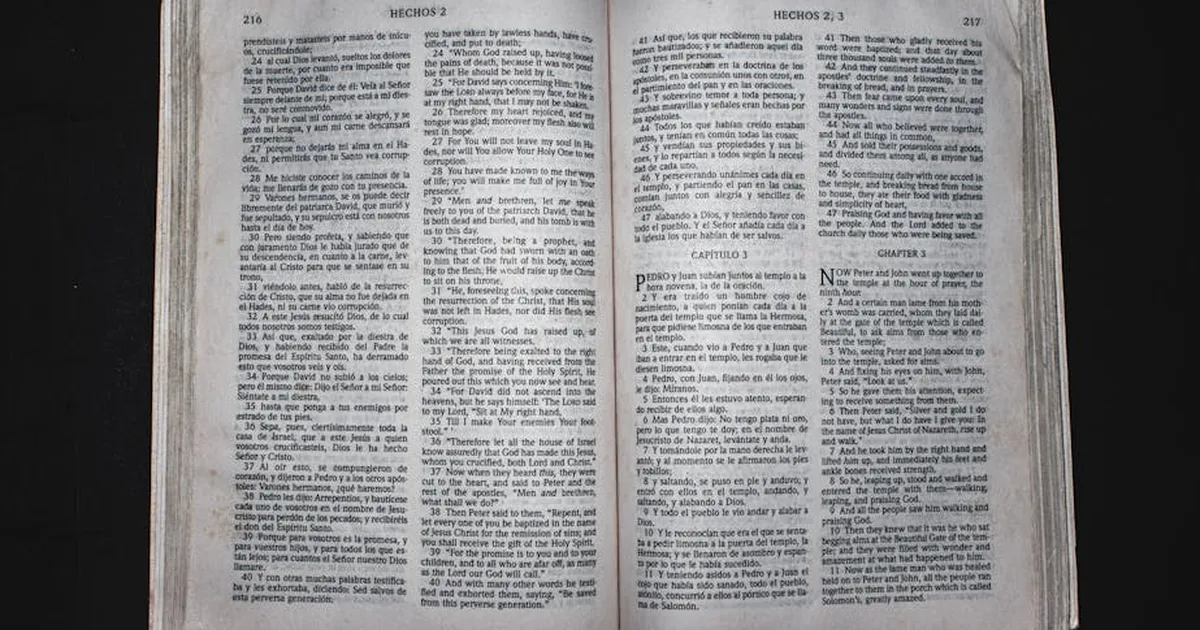
"If you love me, you will keep my commandments" (John 14:15). This saying of Christ, often misunderstood, was at the heart of his message. The pope sought to dispel a persistent misconception: that God's love is conditional on our obedience. On the contrary, it is because God loves us first that we can respond with a life of faithfulness. This perspective aligns with the great tradition of grace, cherished by Saint Augustine and all Christian spirituality.
"God's love is the condition of our righteousness, not the other way around," declared Leo XIV. "We are not loved because we obey; we obey because we are loved."
The Commandments: An Invitation to Relationship
The pope emphasized that Jesus' words are not an ultimatum but an invitation to enter into a living relationship with God. "The Lord's commandments are not a burden, but a way of life that heals us from false loves," he explained. Indeed, in a society often marked by individualism and the pursuit of instant gratification, God's law appears as a compass for the heart.
This vision renews our understanding of Christian morality. Far from being a set of arbitrary rules, the commandments are the concrete expression of God's love for us. They protect us from idols that promise happiness but lead to slavery. By keeping them, we experience authentic freedom, the freedom of the children of God.
Christ's Example: The Standard of True Love
Continuing his meditation, Leo XIV stressed that Christ himself is the criterion of true love. "Love one another as I have loved you" (John 13:34) is not a mere ideal but a reality made possible by grace. The pope described Christ's love as "faithful forever, pure and unconditional, which gives without wanting to possess, which gives life without taking anything in return."
This love becomes the source of our own capacity to love. The Christian is not called to draw from their own strength, but to receive God's love in order to pass it on. This is the heart of Johannine theology of charity: love is a gift received before it is a work accomplished.
The Holy Spirit: The Architect of Our Faithfulness
The pope also reminded of the role of the Holy Spirit in the Christian life. It is the Spirit who writes God's law on our hearts (cf. Jeremiah 31:33) and gives us the strength to put it into practice. Without the Spirit, our efforts are in vain; with him, our obedience becomes a joyful response to the love we have received.
This action of the Spirit is especially visible in the sacraments, above all the Eucharist, where Christ gives himself to us to transform us. Every time we receive communion, we receive the grace to love as he does. That is why the moral life of the Christian is not a solitary effort, but a participation in the very life of God.
An Invitation to Trust
In conclusion, Leo XIV invited the faithful not to be afraid of the commandments, but to see them as a path to happiness. "God does not ask anything of us without first giving us the strength to accomplish it," he affirmed. This word resonates as encouragement for all who struggle to live their faith day by day.
May this message help us rediscover the joy of loving God and neighbor.





Comments