
In April 2025, the Catholic world experienced a moment of transition with the passing of Pope Francis, who for years reminded us of the importance of mercy and encountering the most vulnerable. Shortly after, in May of that same year, the Church welcomed Pope Leo XIV as its new shepherd, who from the beginning of his pontificate has shown special attention to those living in marginalized situations.
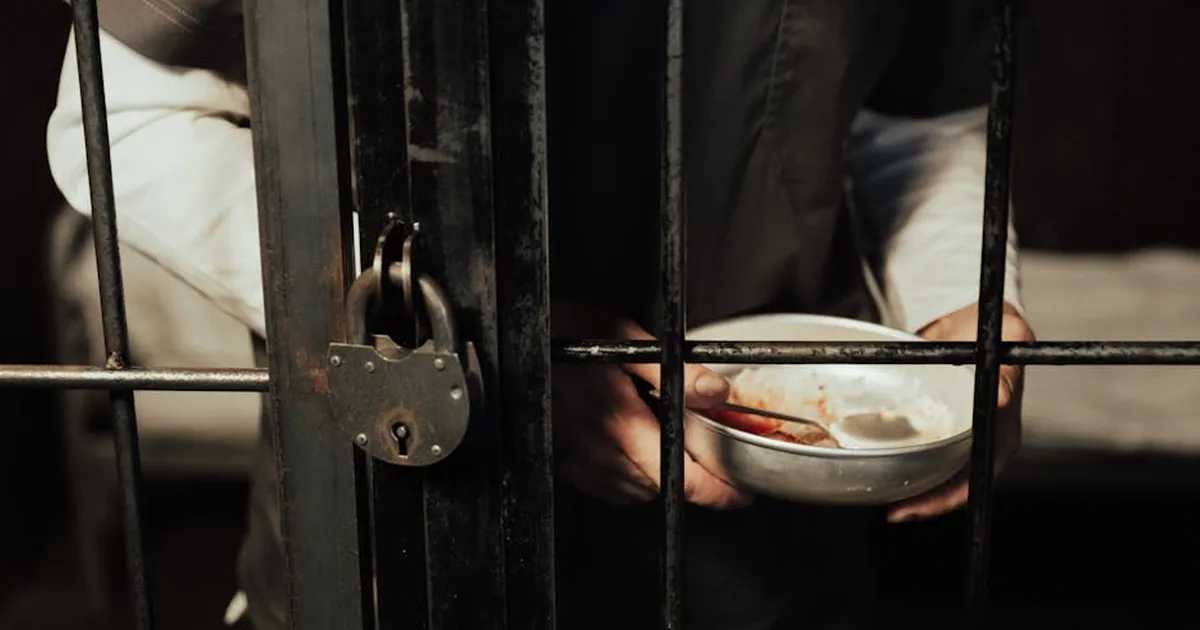
One of his first gestures as successor of Peter was to visit Bata Prison in Equatorial Guinea, where he shared a message that resonated deeply in Christian hearts worldwide. In that encounter, the Holy Father recalled a fundamental truth of our faith: God's love knows no barriers or exclusions. Every person, regardless of their circumstances, retains an inviolable dignity that comes directly from the Creator.
This pastoral visit invites us to reflect on how we, as Christian community, can embody that inclusive love that Jesus taught us. Pope Leo XIV's message wasn't just for those behind bars, but for all of us who sometimes build invisible walls in our own hearts.
Human Dignity: The Foundation of Our Faith
In the biblical creation story, we find the words that give meaning to our existence:
"So God created mankind in his own image, in the image of God he created them; male and female he created them" (Genesis 1:27, NIV).This verse reminds us that every human being carries the divine imprint, an indelible mark that no circumstance can erase. The Pope's visit to Bata Prison was precisely a visual reminder of this theological truth.
When we look at those whom society often marginalizes—whether because of mistakes made, difficult living conditions, or any other reason—we are called to look beyond appearances. We must strive to recognize in every face the image of Christ, who specifically identified with prisoners when he said:
"I was in prison and you came to visit me" (Matthew 25:36, NIV).
Human justice, though necessary for social coexistence, should always be oriented toward rehabilitation and reconciliation. As Pope Leo XIV noted during his visit, the prison system shouldn't be limited to punishment, but should aspire to be a space where people can rebuild their lives, heal wounds, and discover new possibilities.
Hope as an Engine of Transformation
In the midst of situations that seem to have no way out, Christian hope presents itself as a transformative force. This isn't about superficial optimism, but about deep trust that God continues to act in history, even in the darkest places. The apostle Paul, writing from his own experience of imprisonment, left us these words:
"But those who hope in the Lord will renew their strength. They will soar on wings like eagles; they will run and not grow weary, they will walk and not be faint" (Isaiah 40:31, NIV).
This active hope manifests when we create spaces where people can study, work with dignity, and maintain meaningful family connections. Prison shouldn't mean social death, but rather a time of deep reflection that prepares for constructive reintegration into the community.
The Christian Community as an Agent of Reconciliation
Pope Leo XIV's message reminds us that the work of reconciliation doesn't belong only to prison institutions. The entire Christian community is called to participate in this process of social healing. As Scripture tells us:
"Therefore, if anyone is in Christ, the new creation has come: The old has gone, the new is here!" (2 Corinthians 5:17, NIV).This transformation isn't just personal—it extends to our relationships and how we build community. When we embrace those whom society rejects, we become living witnesses to God's redeeming love.
The prison visit by Pope Leo XIV challenges us to examine our own attitudes toward those who have fallen short. Do we see them as irredeemable, or as beloved children of God capable of change? Our churches and ministries should be places where second chances aren't just preached but practiced, where forgiveness becomes tangible through practical support and genuine fellowship.
As we reflect on this significant pastoral moment, let's ask ourselves how we can extend God's boundless love beyond our comfort zones. Whether through prison ministry programs, supporting families affected by incarceration, or simply changing our language about those who've made mistakes, each of us has a role to play in building a more compassionate world that reflects the heart of our Creator.





Comments