
In recent years, Germany's religious landscape has undergone profound changes that capture the attention of Christians worldwide. While historic Christian churches face challenges with attendance and, in some cases, even closures, new worship spaces for other faith traditions are opening. This phenomenon invites pastoral reflection on the church's role in transforming societies.
Numbers That Tell a Story
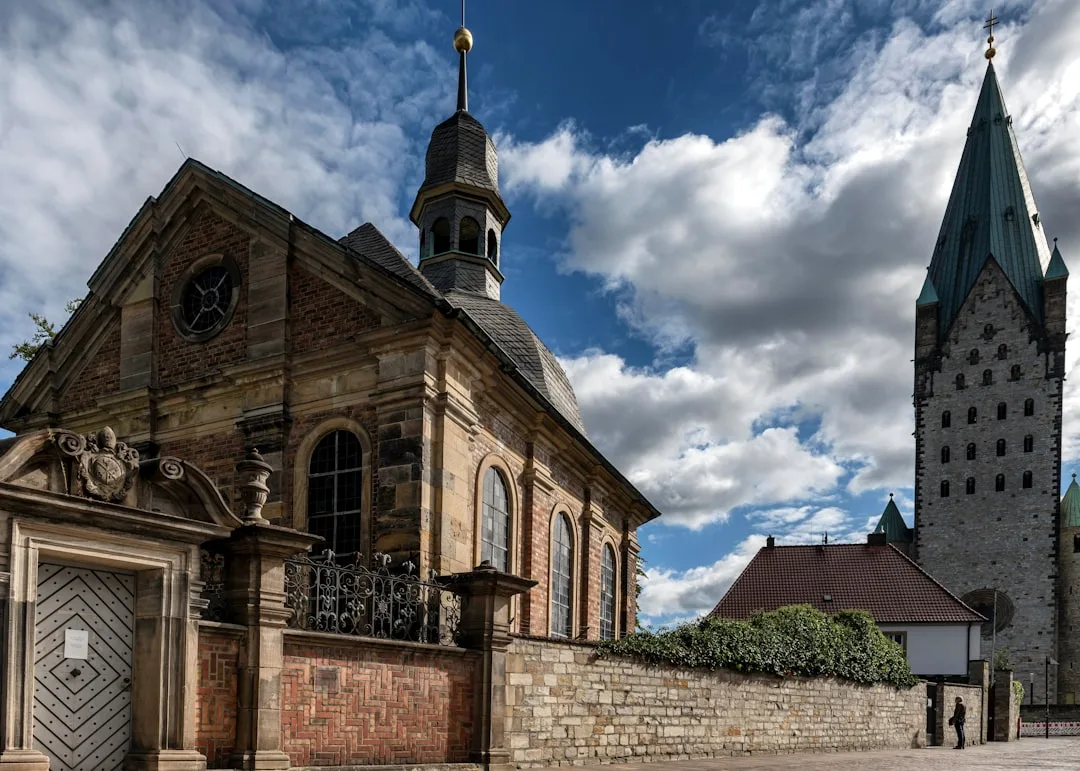
Statistics reveal a significant trajectory of change. Whereas in past decades most of Germany's population identified with Christian traditions, today's numbers paint a different picture. Many beautiful buildings that housed faith communities for centuries are now being transformed into cultural spaces, cafes, or community centers. This reality reminds us that buildings, however historic, are not the essence of the church – people are.
"For where two or three gather in my name, there am I with them." (Matthew 18:20, NIV)
The Growth of Other Faith Expressions
Parallel to the Christian landscape, Muslim, Buddhist, and Hindu communities have established new places of worship in Germany. This development reflects growing cultural diversity in German society, driven by migration flows and demographic changes. As Christians, we can observe this phenomenon with eyes that seek understanding and respectful dialogue, while always holding firm to our identity in Christ.
Biblical Reflections for Times of Transition
God's Word offers us wisdom for moments of change and challenge. The prophet Jeremiah wrote to the exiles in Babylon:
"Seek the peace and prosperity of the city to which I have carried you into exile. Pray to the Lord for it, because if it prospers, you too will prosper." (Jeremiah 29:7, NIV)
This principle teaches us that our mission doesn't depend on favorable circumstances, but on our faithfulness to God's calling, even in challenging contexts. The early church flourished not in magnificent temples, but in homes, catacombs, and improvised spaces, sustained by the Holy Spirit's power.
Lessons from Church History
Christian history is filled with periods of transformation. Moments of apparent decline often prepared the ground for spiritual renewal. As German theologian Dietrich Bonhoeffer observed in equally challenging times, the church is called to be "salt of the earth" and "light of the world" regardless of cultural circumstances.
The Church's Role in Pluralistic Societies
In contexts of growing religious diversity, the church is called to:
- Maintain its distinctly Christian identity with love and conviction
- Practice hospitality and respectful dialogue with people of other traditions
- Reaffirm its commitment to proclaiming the Gospel
- Serve the community with practical compassion, following Jesus' example
- Cultivate authentic spirituality that transcends specific cultural forms
The apostle Peter guides us:
"But in your hearts revere Christ as Lord. Always be prepared to give an answer to everyone who asks you to give the reason for the hope that you have. But do this with gentleness and respect." (1 Peter 3:15, NIV)
Practical Application: Renewing Our Vision of Church
The German situation invites us to reflect on our own church reality. Regardless of where we are, we can:
- Value the essential: Remember that the church is primarily not buildings, but people transformed by Christ.
- Invest in relationships: Cultivate authentic communities where Christ's love is visible and tangible.
- Adapt methods, not the message: Find creative ways to share the eternal Gospel in changing contexts.
- Practice radical hospitality: Open our spaces and hearts to those seeking spiritual meaning.
- Trust the Holy Spirit: Remember that the church is God's work, not merely human effort.
In times of change, we can find hope in Jesus' promise: "I will build my church, and the gates of Hades will not overcome it" (Matthew 16:18, NIV). The transformation in Germany and elsewhere isn't the end of the Christian story, but a new chapter in the church's ongoing mission in the world.




Comments