
In these times when armed conflicts seem to multiply, a group of men and women who have firsthand experience with the face of war have courageously raised their voices. They are not ordinary activists, but military veterans who, after serving in past conflicts, now become messengers of reconciliation. Their testimony invites us to reflect deeply on the Christian calling to be peacemakers, especially as international tensions intensify.
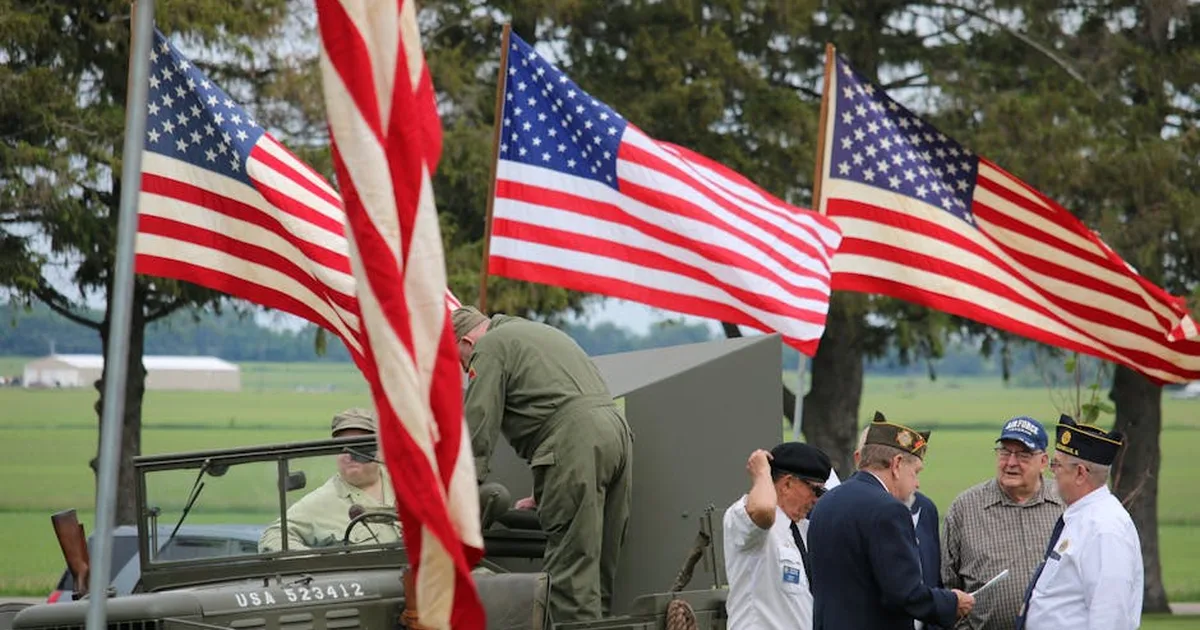
The Bible reminds us in Matthew 5:9: "Blessed are the peacemakers, for they will be called children of God" (NIV). This verse takes on special meaning when those promoting peace are precisely those who have experienced the horrors of war. Their transformation from soldiers to peacemakers reflects the transformative power of the Gospel, which can change hearts hardened by battle into instruments of reconciliation.
As a Christian community, we are called to listen to these prophetic voices emerging from unexpected places. Veterans who now advocate for peaceful solutions show us that true strength is not always manifested in the ability to wage war, but sometimes in the courage to oppose it when conscience so dictates.
Conscientious Objection from a Biblical Perspective
One of the most significant aspects of this veterans' peace movement is their emphasis on conscientious objection. As Christians, we understand that our ultimate loyalty belongs to God, and that there are times when following Christ may require disobeying human commands. The Acts of the Apostles presents us with a clear example when Peter and John declared: "We must obey God rather than human beings!" (Acts 5:29, NIV).
The Christian tradition has recognized since the earliest centuries that some believers may feel called not to participate in warlike actions. This position does not imply lack of patriotism or courage, but a deep spiritual conviction about the sacred value of all human life. As the prophet Isaiah reminds us: "They will beat their swords into plowshares and their spears into pruning hooks. Nation will not take up sword against nation, nor will they train for war anymore" (Isaiah 2:4, NIV).
In our global context, where many nations have experienced internal conflicts, we understand the complexity of these decisions. Peace is not simply the absence of war, but the active presence of justice, reconciliation, and respect for human dignity. Veterans who now question new conflicts invite us to examine our own consciences and ask ourselves: Are we contributing to building bridges or raising walls?
Transformative Testimonies
The personal stories of those who have served in previous wars have special power to move us. When a veteran shares how combat experience made them question the very nature of armed conflicts, we are witnessing testimony that deserves our respectful attention. These stories remind us that behind every war statistic there are faces, families, and affected communities.
The apostle Paul, who experienced violence before his conversion, teaches us about possible transformation: "Therefore, if anyone is in Christ, the new creation has come: The old has gone, the new is here!" (2 Corinthians 5:17, NIV). Veterans who move from participating in conflicts to advocating for peace embody this powerful truth: in Christ, we can all experience a radical renewal of our vision and purpose.
Our Responsibility as a Community of Faith
As Christians committed to the Gospel message, we have a particular responsibility regarding the conflicts affecting our world. The peace that Christ offers is not passive but active, requiring our engagement and commitment. Veterans who have walked through the valley of war and emerged as peacemakers challenge us to examine how we, as followers of Jesus, respond to violence and conflict in our own contexts.
Their journey from military service to peace advocacy demonstrates that God can use any experience—no matter how difficult—for redemptive purposes. As we listen to their stories, we are reminded that the Christian call to peacemaking is not optional but essential to our identity as God's people. May their prophetic voices inspire us to seek creative, courageous ways to build reconciliation in our divided world.





Comments