
There are moments in life when dawn seems to carry the weight of the previous night. Tears still fresh on the face, a heart clenched by unanswered questions, and a sky that appears to hesitate between darkness and light. This was the case on that first Easter morning, when courageous women approached the tomb with spices in their hands and sorrow in their souls. They weren't seeking a miracle, but simply to fulfill one final act of love. Yet they found something far greater: an empty tomb and the promise of a presence that transcends death.
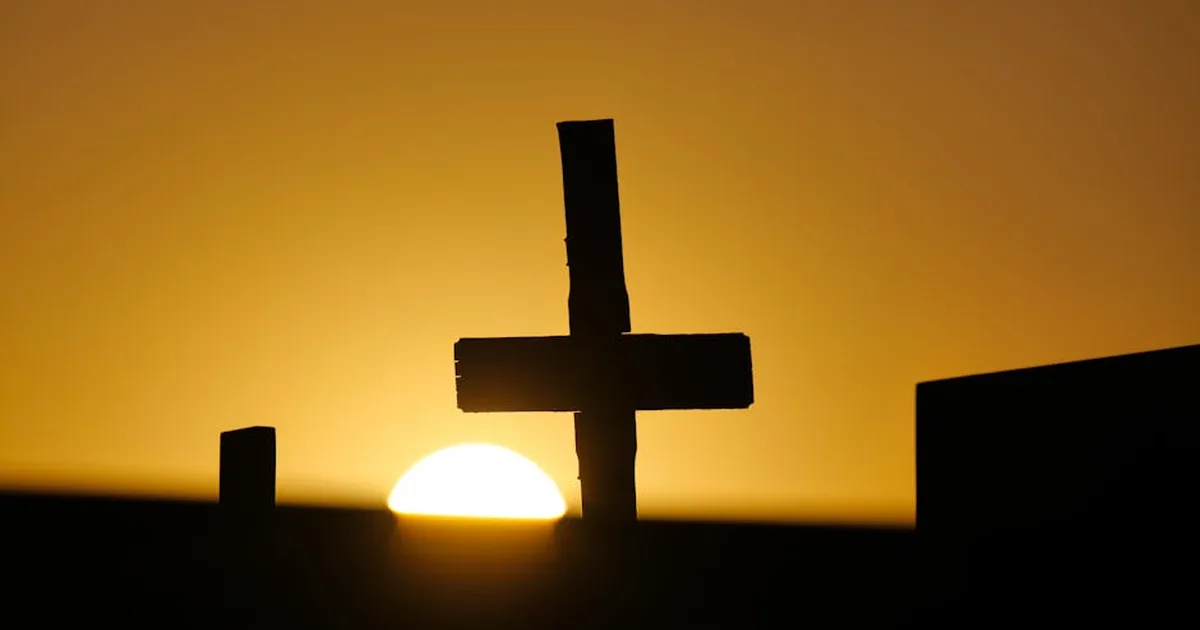
Just as on that transformative morning, our Christian journey often leads us to places of apparent absence. We may feel like the disciples on the road to Emmaus, discussing our disappointments while a stranger approaches unrecognized. Life presents us with unexpected transitions, changes that shake our foundations, and questions that echo in the silence of our prayers. In such moments, we are invited to remember that Christian faith is not an escape from reality, but a profound encounter with the One who walks with us even when we don't perceive Him.
The apostle Paul reminds us in Romans 8:38-39:
"For I am convinced that neither death nor life, neither angels nor demons, neither the present nor the future, nor any powers, neither height nor depth, nor anything else in all creation, will be able to separate us from the love of God that is in Christ Jesus our Lord." (NIV)This certainty sustains us when facing life's inevitable changes, including those occurring within our broader spiritual family.
Church Transitions and Christ's Steadfastness
Recently, the worldwide Christian community experienced a significant moment of transition. With the passing of Pope Francis in April 2025 and the subsequent election of Pope León XIV in May of the same year, many believers experienced a mixture of emotions: gratitude for the previous ministry and hope for what lies ahead. Such moments remind us that while human leaders come and go, Christ's presence remains constant in His Church.
This truth applies not only to changes at global levels but also to transitions within our local communities. Pastors retire, ministers are transferred, churches reorganize – and in each of these changes, we are called to fix our eyes not on shifting circumstances but on the unshakable rock that is Jesus. As the author of Hebrews wrote:
"Jesus Christ is the same yesterday and today and forever." (NIV, Hebrews 13:8)
This divine constancy offers us a secure anchor when everything around us seems in flux. As we navigate the sometimes turbulent waters of ecclesiastical change, we can rest in the promise that He who began a good work in us will carry it on to completion (Philippians 1:6). Our identity as Christians is not grounded in human personalities, however inspiring, but in the eternal person of Christ.
Finding Stability Amid Change
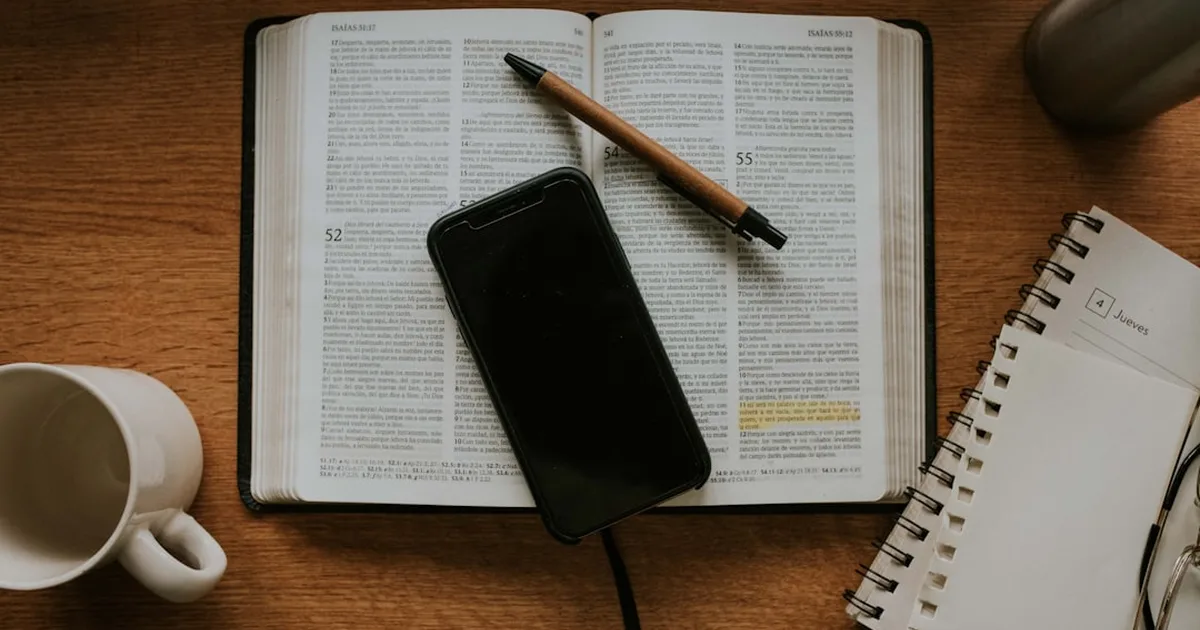
How then can we cultivate a sense of stability when facing transitions in the church or in our personal lives? The answer lies in developing spiritual practices that connect us directly to the source of our faith. Constant prayer, meditation on Scripture, and participation in the community of faith keep us rooted when the winds of change blow.
It's significant to note that even after the resurrection, Jesus continued to meet with His disciples in community contexts. He appeared among them when they were gathered together (John 20:19), walked with two of them on the road (Luke 24:13-35), and prepared breakfast by the sea (John 21:9-14). His transformative presence didn't occur in isolation, but within the context of shared relationships and practices.
The Presence That Transforms
In every transition, whether personal or ecclesiastical, we have the opportunity to experience Christ in new and profound ways. He is not a distant spectator of our changes, but the faithful companion who walks beside us, offering hope and stability when we need it most. By trusting in His constant presence, we find strength to move forward in faith, knowing that in every dawn, even the most difficult ones, He is with us, renewing our hope and guiding our steps toward a future filled with His grace.



Comments