
In a world marked by conflicts and uncertainties, people from all cultures and backgrounds seek peace and inner stability. For Christians, prayer represents an essential connection to God that not only provides comfort but also conveys spiritual strength. The Christian tradition knows various forms of prayer that can help believers grow in their faith and face challenges with hope.
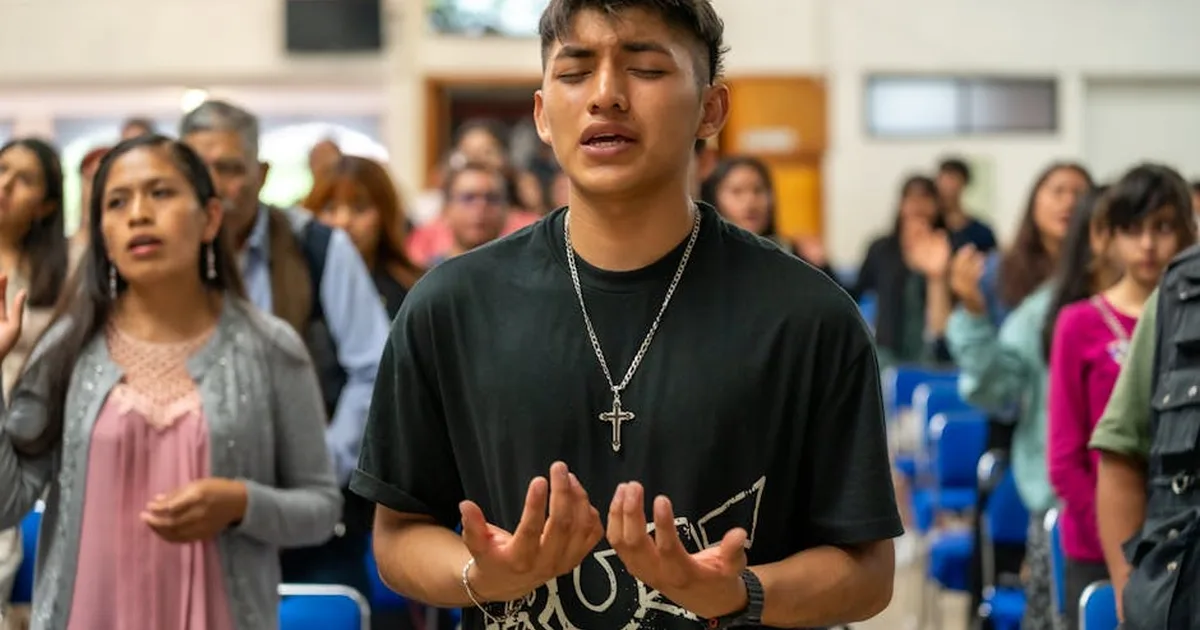
The Significance of Communal Prayer
Communal prayer has always held a special place in the Christian community. When believers come together to bring their concerns before God, a unique spiritual connection emerges that works across denominational boundaries. The Acts of the Apostles testifies to the power of such fellowship:
"They devoted themselves to the apostles' teaching and to fellowship, to the breaking of bread and to prayer." (Acts 2:42, NIV)This biblical foundation shows how essential prayer was and remains for the life of early Christians.
Personal and Liturgical Prayer Forms
Christian spirituality offers a rich variety of prayer forms that can find place in both personal and communal life:
- Free prayer, where believers bring their own words before God
- Liturgical prayers practiced in many traditions
- Meditative prayer forms that lead to inner peace
- Petitionary prayers for special concerns and situations
Each of these forms can help Christians deepen their relationship with God and find stability in difficult life phases. The apostle Paul encourages this:
"Be joyful in hope, patient in affliction, faithful in prayer." (Romans 12:12, NIV)
Prayer as a Response to Global Challenges
Faced with global crises and personal distress, prayer can be a response that goes beyond human solutions. It reminds Christians that ultimately God is the source of peace. The psalmist expresses this trust:
"You hem me in behind and before, and you lay your hand upon me." (Psalm 139:5, NIV)This certainty can provide comfort and perspective especially in times of uncertainty.
Practical Application for Daily Life
How can Christians concretely integrate prayer into their lives? Here are some practical considerations:
- Schedule regular prayer times in daily routines
- Note prayer concerns and recognize God's working in them
- Cultivate shared prayer times in family or community
- Pray for global and local concerns without neglecting personal needs
Prayer is not a magic formula, but an attitude of trust and turning toward God. It doesn't always change external circumstances, but it can transform the inner attitude of those who pray and give them strength to face challenges.
Concluding Reflection
In a time that many people experience as particularly challenging, Christian prayer offers an enduring source of hope and strength. It connects believers across denominational boundaries with the God who showed his love to the world in Jesus Christ. This spiritual practice can help maintain inner peace even in stormy times and give testimony to other people of the hope rooted in faith. May this ancient Christian tradition continue to invite people to find home and orientation in prayer.





Comments