
In our journey through life, we all encounter moments that leave deep emotional scars. Trauma can come in many forms—personal loss, betrayal, violence, or systemic injustice. These experiences often create wounds that seem impossible to heal, leaving us feeling broken and isolated. Yet within the Christian tradition, we find a profound truth: forgiveness holds transformative power that can lead us toward genuine healing.
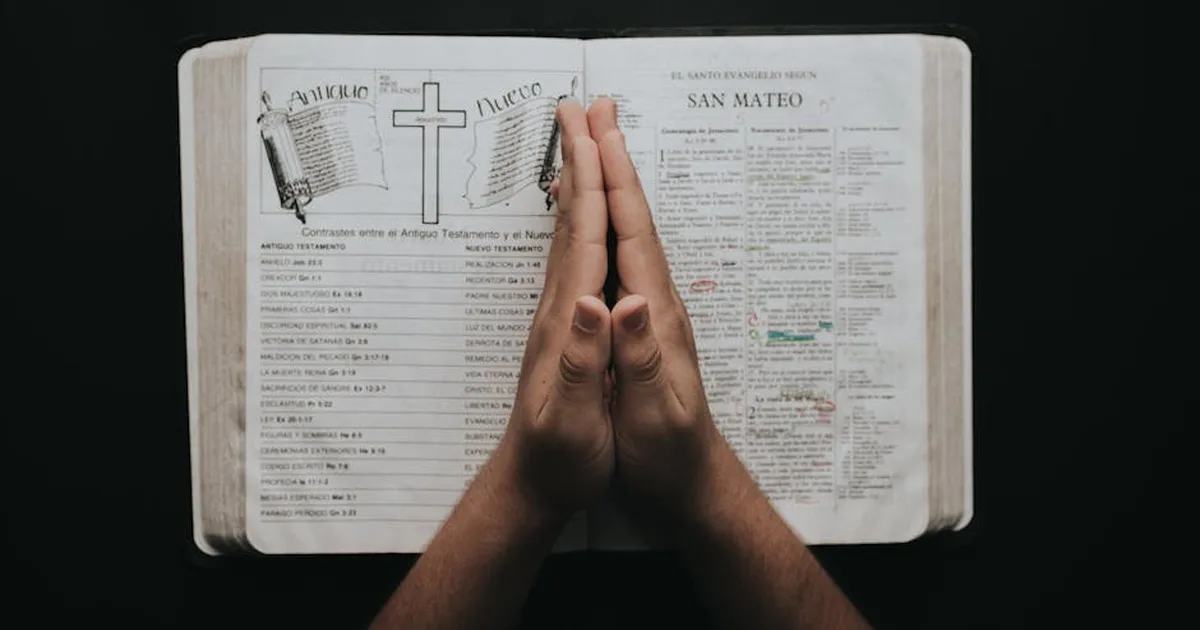
The path to recovery isn't about forgetting what happened or pretending the pain doesn't exist. Rather, it's about finding a way to move forward without being chained to the past. When we explore forgiveness through a Christian lens, we discover it's not merely an emotional response but a spiritual practice that can reshape our relationship with pain and suffering.
As we navigate these difficult waters, we might remember the words of Pope León XIV, who has spoken about the importance of reconciliation in our communities. His pastoral approach reminds us that healing often begins with small steps of grace extended toward ourselves and others.
Biblical Foundations of Forgiveness
The Scriptures offer us numerous examples of forgiveness that speak directly to our human experience of trauma. Consider Joseph, who was betrayed by his brothers and sold into slavery. Years later, when he had the power to seek revenge, he instead told them: "You intended to harm me, but God intended it for good to accomplish what is now being done, the saving of many lives" (Genesis 50:20, NIV). This perspective didn't erase Joseph's suffering, but it transformed how he understood it.
In the New Testament, we find Jesus modeling forgiveness in the most extreme circumstances. While hanging on the cross, experiencing unimaginable physical and emotional trauma, he prayed: "Father, forgive them, for they do not know what they are doing" (Luke 23:34, NIV). This radical act demonstrates that forgiveness isn't dependent on the offender's repentance but flows from a heart aligned with God's love.
The apostle Paul further develops this theme when he writes: "Bear with each other and forgive one another if any of you has a grievance against someone. Forgive as the Lord forgave you" (Colossians 3:13, NIV). This connection between receiving God's forgiveness and extending it to others creates a foundation for healing that acknowledges our shared humanity.
"Be kind and compassionate to one another, forgiving each other, just as in Christ God forgave you." (Ephesians 4:32, NIV)
Understanding Trauma Through a Christian Lens
Trauma affects us at multiple levels—physically, emotionally, and spiritually. When something devastating happens, our entire being responds. The body remembers what the mind might try to forget. In recent years, mental health professionals have helped us understand trauma more comprehensively, recognizing that healing requires addressing all these dimensions.
Christian faith offers unique resources for this holistic healing. Unlike approaches that might encourage us to simply "move on" or "get over it," the Christian tradition invites us to bring our whole selves—including our pain—into relationship with God. The Psalms provide powerful examples of this, with raw expressions of anger, fear, and sorrow that eventually turn toward hope.
Consider Psalm 34:18: "The Lord is close to the brokenhearted and saves those who are crushed in spirit" (NIV). This assurance doesn't promise immediate relief from suffering, but it does promise God's presence in the midst of it. This divine companionship can make the journey through trauma less isolating and more hopeful.
Common Misunderstandings About Forgiveness
Sometimes well-meaning Christians misunderstand forgiveness, treating it as a simple transaction or quick fix. They might urge trauma survivors to "just forgive and move on" without acknowledging the depth of their pain. This approach can actually compound the harm, making people feel their suffering is being minimized or dismissed.
True biblical forgiveness is neither cheap nor easy. It doesn't require pretending the offense didn't matter or that the consequences don't continue. Rather, it involves a gradual process of releasing resentment and the desire for revenge, even while acknowledging the reality of what happened. This distinction is crucial for trauma survivors who need their pain validated even as they explore forgiveness.
Another misunderstanding is that forgiveness means reconciliation with the offender. While reconciliation might sometimes follow forgiveness, they are distinct processes. Forgiveness can happen in the heart of one person, while reconciliation requires mutual participation and changed behavior from both parties. Understanding this difference can free trauma survivors from feeling pressured into unsafe situations.
The Journey Toward Healing
Healing from trauma through forgiveness is typically a process rather than a single event. It often involves several stages that might include: acknowledging the pain, grieving what was lost, gradually releasing resentment, and eventually finding meaning in the suffering. This journey looks different for everyone and doesn't follow a linear timeline.
Practical steps might include:
- Creating safe spaces to process emotions with trusted friends or professionals
- Engaging in spiritual practices like prayer, meditation on Scripture, or journaling
- Finding supportive Christian community where pain can be shared without judgment
- Seeking professional counseling when needed, recognizing this as wisdom rather than weakness
Throughout this process, it's important to remember that forgiveness isn't about excusing wrong behavior or denying justice. In fact, acknowledging the seriousness of an offense is often a necessary step before genuine forgiveness can occur. The Christian understanding of sin recognizes both its devastating effects and God's power to bring redemption even from the worst situations.
Living Out Forgiveness in Daily Life
As we consider how to apply these principles, we might reflect on small opportunities for forgiveness in our daily lives. Perhaps it's letting go of resentment toward a family member who consistently disappoints us. Maybe it's releasing anger toward an institution that failed us. Or it could be forgiving ourselves for mistakes we've made that continue to haunt us.
Each act of forgiveness, no matter how small, participates in the larger story of God's redemption. As we practice forgiveness in manageable ways, we build spiritual muscles that can help us face larger challenges. This doesn't mean the process will be easy or pain-free, but it does mean we don't have to walk the path alone.
Consider how you might take one small step toward forgiveness this week. It could be as simple as praying for someone who has hurt you, even if you're not ready to speak to them. Or it might involve writing a letter you never send, expressing your pain and your desire to eventually release it. These small acts can open doors to healing we never thought possible.
Reflection and Moving Forward
As we conclude, let's consider a question for personal reflection: What one relationship or memory feels most in need of forgiveness in your life right now? Don't feel pressure to immediately forgive something major—sometimes the most healing work begins with smaller hurts. How might you take one gentle step toward releasing resentment or seeking God's perspective on this situation?
Remember that healing is a journey, and like any journey, it begins with a single step. Whether you're carrying wounds from recent events or trauma that has lingered for years, the Christian message offers hope: your pain matters, your healing is possible, and you don't have to walk this path alone. The same God who promises to be "close to the brokenhearted" walks with you through every step of recovery.
May we all grow in our capacity to receive and extend forgiveness, creating communities where healing flourishes and God's redeeming love becomes visible in our relationships. As we do this work, we participate in God's ongoing mission of reconciliation in our world—a mission that brings light to dark places and hope to wounded hearts.





Comments