
We live in a time marked by profound transformations in how we view the world. Secularism, which places the material and immediate at the center of attention, often seems to pull people away from spiritual seeking. Amid the noise of consumerism and the rush of daily life, the question echoing in the hearts of many Christians is: how do we keep the flame of faith alive when everything around seems to conspire against it?
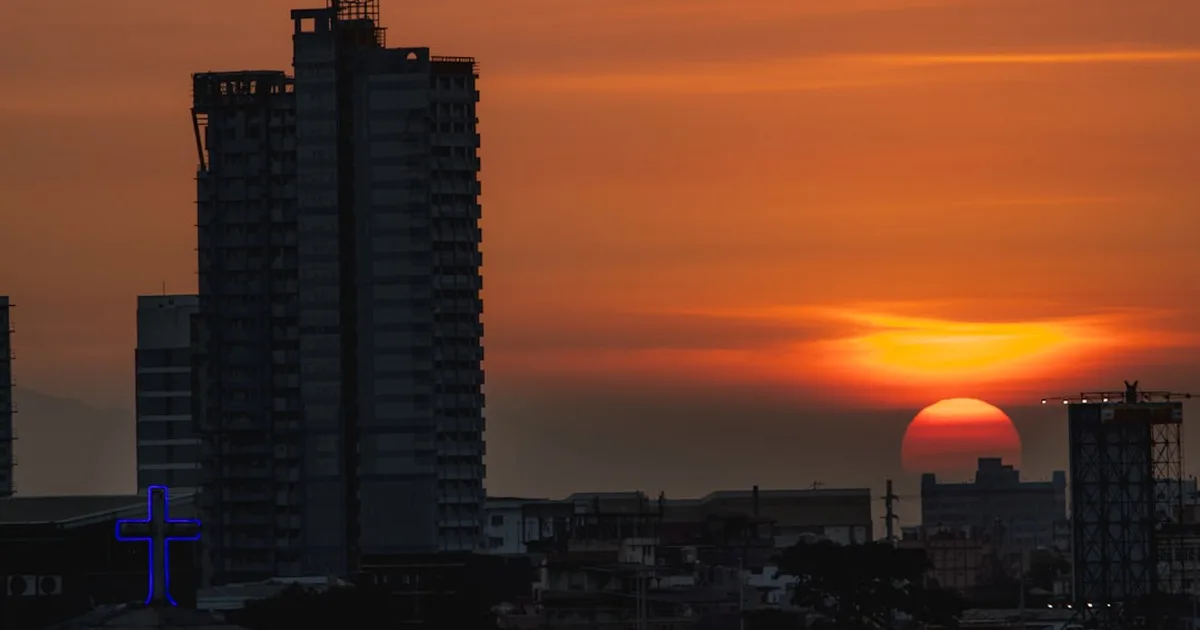
This phenomenon isn't new, but it has taken on particular contours in our digital age. The screens surrounding us offer instant answers for almost everything, except for the deepest questions of the soul. Contemporary society values what can be measured, purchased, or visualized, creating a kind of spiritual noise that drowns out the divine whisper.
Yet, even in this seemingly hostile environment for spirituality, there are signs of an unsatisfied thirst. As the psalmist wrote:
"As the deer pants for streams of water, so my soul pants for you, my God. My soul thirsts for God, for the living God" (Psalm 42:1-2, NIV).This thirst remains, even when we try to ignore it with temporary distractions.
Signs of Spiritual Seeking Amid Materialism
Paradoxically, the very emptiness left by excessive materialism has led many people to rediscover the importance of the spiritual dimension. In psychologists' offices, support groups, and even informal conversations, there's a growing longing for meaning that transcends the accumulation of possessions. Human beings, created for communion with God, don't find complete satisfaction in material goods, no matter how abundant.
Pope León XIV, in his first addresses after his election in May 2025, has emphasized precisely this need to rediscover the essential. His pastoral message resonates with the wisdom of his predecessors, including beloved Pope Francis, whose legacy continues to inspire Christians worldwide. Both remind us that faith isn't an optional accessory, but the foundation upon which we build a life with true meaning.
In practice, we observe interesting movements: young people seeking authentic communities, families rediscovering prayer together, professionals questioning the meaning of their work beyond financial return. These are subtle but significant signs that the search for God continues, even if it takes new forms and languages.
When Consumerism Becomes Religion
One of the most subtle challenges of our time is the transformation of consumption into a kind of substitute religious practice. Shopping offers momentary feelings of fulfillment, technological novelties promise happiness, and brands become identity symbols. Jesus warned us about this danger when he said:
"Do not store up for yourselves treasures on earth, where moths and vermin destroy, and where thieves break in and steal. But store up for yourselves treasures in heaven, where moths and vermin do not destroy, and where thieves do not break in and steal" (Matthew 6:19-20, NIV).
The challenge for contemporary Christians is to discern when necessary consumption becomes idolatrous consumerism. It's not about rejecting material goods themselves, but about keeping our hearts free to prioritize what truly matters. As biblical wisdom teaches, where our treasure is, there our hearts will be also.
Strategies for Nurturing Faith in Secular Times
Facing this reality, how can we cultivate vibrant, resilient faith? The answer isn't in fleeing the world, but in learning to live in it with spiritual wisdom. The first strategy is awareness: recognizing the cultural pressures that pull us away from God allows us to resist them more clearly.
Regular practice of prayer and Bible reading functions as a spiritual anchor. Even if it's just a few minutes daily, these moments of connection with God renew our perspective and remind us of what's truly eternal. The Christian community also plays a crucial role: in a world promoting individualism, the church offers space for mutual support and shared witness.
Finally, finding God in daily life requires developing a contemplative gaze. Rather than seeing daily activities as mere obligations, we can discover in them opportunities for divine encounter. From work to family relationships, every aspect of life can become sacred ground where we cultivate our relationship with the Creator.





Comments