
In a world filled with noise and hurry, many people long for places of rest and reflection. Japanese gardens are such places. They not only invite us to pause but also speak a deep, often spiritual language. As Christians, we can learn from this art form how to create spaces of silence that draw us closer to God.
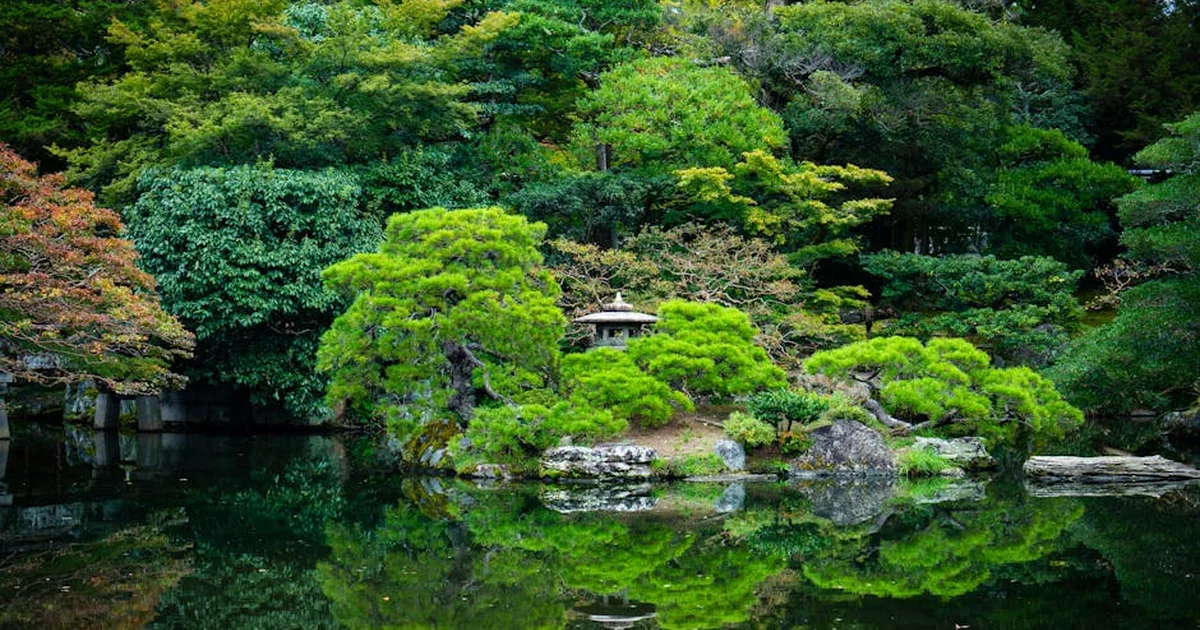
The carefully arranged stones, the gentle trickle of water, and the thoughtfully placed plants all work like a wordless prayer. A Japanese garden is a place where the soul can find peace. In the Bible we read: "Be still, and know that I am God" (Psalm 46:10, NIV). This call to stillness is as relevant today as ever. Perhaps we can let Japanese garden art inspire us to create small oases of reflection in our busy daily lives.
"Be still, and know that I am God." – Psalm 46:10 (NIV)
A Japanese garden is more than just a collection of plants and stones. It is a symbol of the order of creation and the transience of life. The cherry blossom, which blooms only briefly, reminds us of the fleeting nature of all earthly things. Ecclesiastes also says: "There is a time for everything" (Ecclesiastes 3:1, NIV). In this awareness lies a deep wisdom that helps us live more mindfully.
The Symbolism of Elements: Water, Stones, and Plants
The design elements of Japanese gardens are rich in symbolism. Water represents purification and life, stones stand for stability and eternity, and plants for growth and impermanence. These symbols can also speak to our faith. Jesus speaks of "living water" (John 4:10, NIV) that quenches our thirst for God. The stones remind us of the rock on which we should build our house (Matthew 7:24, NIV).
Water as a Symbol of Purification
Many Japanese gardens feature a pond or stream. The water is not just decorative; it symbolizes cleansing from impurities. In Christianity, baptism is a sign of purification and new birth. As we walk through a Japanese garden, we can remember that God cleanses and renews us.
Stones as Signs of Permanence
Stones are a central element in Japanese gardens. They are often arranged to convey specific meanings, such as representing a landscape or an animal. Stones also play an important role in the Bible. Jacob anointed a stone and called it Bethel, the house of God (Genesis 28:18-19, NIV). Jesus is called the "cornerstone" on which the church is built (Ephesians 2:20, NIV). The stones in the garden can remind us of God's faithfulness.
Practical Ideas for Your Own Space
You don't need a large garden to be inspired by Japanese garden art. Even a small balcony or windowsill can become a place of stillness. A few stones, a bowl of water, and a small plant are enough to create an atmosphere of peace. Take a few minutes each day to linger in that space, pray, or simply be silent.
Perhaps you might also visit a public Japanese garden. Many cities have such gardens, often shaped by Buddhist or Shinto traditions. As Christians, we can visit these places respectfully and recognize in them the longing for the eternal that dwells in every human heart. Let yourself be moved by the beauty of creation and thank God for his grace.
Conclusion: The Invitation to Inner Reflection
Japanese gardens offer a unique opportunity to connect with God through nature. They teach us that silence is not emptiness but a way of listening. Amid the noise, we can find a sacred space where our soul breathes. As Christians, we are called to cultivate that inner garden, a place of peace where God dwells. May the serenity of these gardens inspire us to seek God in silence and carry that peace into our world.





Comments