
In our fast-paced digital age, where notifications constantly demand our attention and schedules overflow with commitments, many Christians feel a deep longing for something more. We scroll through endless content, yet our souls often feel emptier than before. This hunger for spiritual depth isn't new—it's echoed in the ancient rhythms of monastic communities that have sustained believers for centuries. These intentional communities remind us that faith isn't just about what we do, but who we become in God's presence.
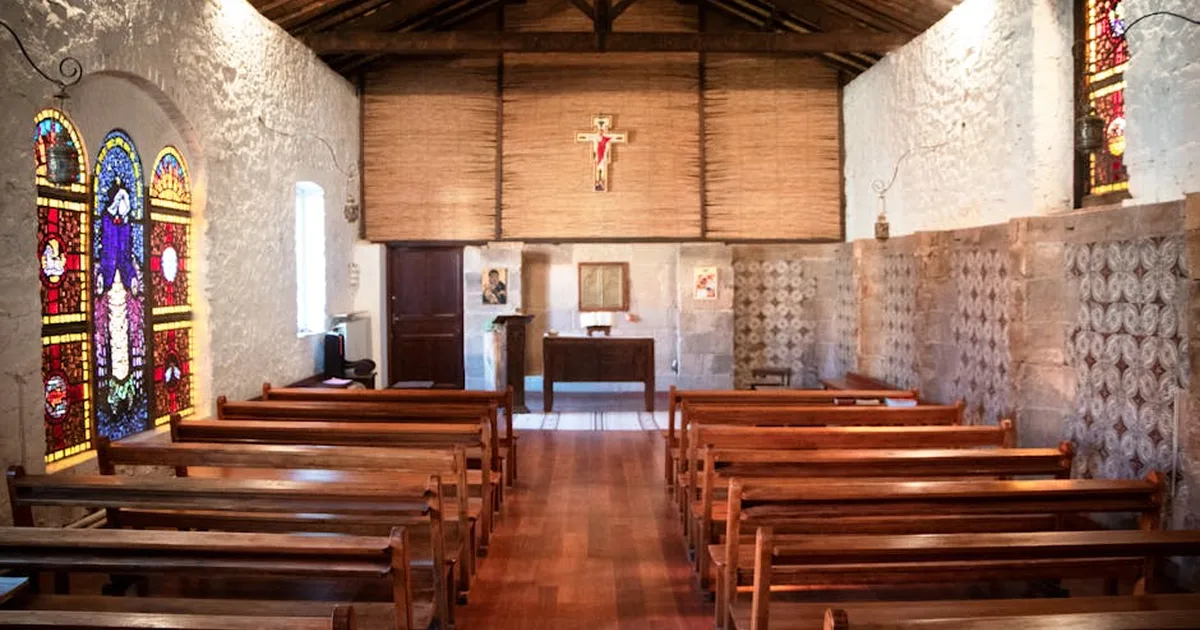
Monastic life, whether in Catholic, Anglican, or Orthodox traditions, represents a radical commitment to seeking God above all else. While most of us won't take formal vows or live in cloisters, the principles that guide these communities offer profound wisdom for our everyday walks with Christ. The documentary "Essene" by Frederick Wiseman, though filmed decades ago, captures timeless truths about this dedicated way of life that still resonate today.
Scripture repeatedly calls us to intentional stillness. Psalm 46:10 (NIV) reminds us:
"Be still, and know that I am God; I will be exalted among the nations, I will be exalted in the earth."This divine invitation to stillness isn't about inactivity, but about creating space to recognize God's sovereignty in our lives. Monastic communities structure their entire existence around this biblical principle, showing us that spiritual awareness requires intentional cultivation.
The Rhythm of Prayer and Work
At the heart of monastic life lies what Benedictines call "ora et labora"—prayer and work. This balanced rhythm structures each day around regular times of corporate worship, personal devotion, and meaningful labor. The liturgical hours—from morning prayers to evening compline—create a framework that continually redirects attention toward God throughout the day's activities. This practice transforms ordinary moments into opportunities for communion with the divine.
For those of us outside monastery walls, this rhythm offers a powerful model for integrating faith into daily life. Rather than compartmentalizing our spiritual practices into isolated moments, we can learn to weave prayer throughout our workdays. This might look like pausing for brief prayers between tasks, practicing mindfulness during routine activities, or setting regular reminders to refocus on God's presence. As Colossians 3:23 (ESV) encourages:
"Whatever you do, work heartily, as for the Lord and not for men."
The monastic approach to work also challenges our cultural assumptions about productivity and value. In monasteries, all labor—from gardening to bookbinding to hospitality—is treated as sacred service. This perspective transforms mundane tasks into acts of worship, reminding us that no work is insignificant when offered to God. Whether we're preparing meals, answering emails, or caring for children, our daily labors can become offerings when performed with prayerful intention.
Community as Spiritual Practice
Monastic life emphasizes that spiritual growth happens in relationship with others. The commitment to live in intentional community—sharing meals, resources, and life together—mirrors the early church described in Acts 2:42-47 (NIV). This passage describes believers who
"devoted themselves to the apostles' teaching and to fellowship, to the breaking of bread and to prayer... All the believers were together and had everything in common."
While most Christians won't live in residential religious communities, we can cultivate similar values in our churches, small groups, and families. Authentic Christian community requires vulnerability, forgiveness, and mutual support—qualities that monastic rules carefully nurture. The Benedictine vow of stability, for instance, commits members to remain with their particular community through difficulties, teaching us that spiritual maturity develops through staying committed rather than constantly seeking new experiences.
Living in close community also reveals our need for grace. As we rub against one another's rough edges, we're confronted with our own limitations and called to practice the forgiveness Christ extends to us. This challenging yet transformative aspect of communal life reminds us that Christian love isn't merely a feeling, but a daily decision to extend mercy and seek reconciliation.
Silence and Listening to God
One of the most distinctive features of monastic life is its intentional embrace of silence. Many communities observe regular periods of quiet, recognizing that God often speaks in whispers rather than shouts (1 Kings 19:11-13). In our noise-saturated culture, where we're constantly consuming information and entertainment, this disciplined silence feels countercultural—yet it's precisely what many thirsty souls need.
Silence in monastic practice isn't merely the absence of sound, but a receptive posture toward God's voice. It creates space to notice the movements of the Spirit, examine our own hearts, and attend to the needs of others. As Psalm 62:5 (NIV) expresses:
"Yes, my soul, find rest in God; my hope comes from him."This soul-rest requires disconnecting from external distractions to connect more deeply with our Creator.
We can incorporate monastic wisdom about silence without retreating from the world. Simple practices like beginning each day with five minutes of quiet prayer, observing technology-free periods, or taking silent walks in nature can help us cultivate listening hearts. These small disciplines train us to recognize God's guidance amid life's busyness and make space for the Holy Spirit to shape our thoughts and decisions.
Applying Monastic Wisdom to Modern Life
You don't need to join a monastery to benefit from its spiritual insights. Start by identifying one area where you feel spiritually hungry—perhaps it's a need for more consistent prayer, deeper community, or greater simplicity. Then consider how monastic principles might address that hunger in your current context. Could you establish a daily rhythm of prayer? Join or deepen participation in a small group? Create regular technology-free spaces for reflection?
Remember that spiritual growth is a gradual process. Monastic formation takes years because transformation happens slowly, through countless small choices and daily faithfulness. Be patient with yourself as you experiment with new practices. The goal isn't perfection, but increased awareness of God's presence and greater responsiveness to the Spirit's leading.
As we navigate the complexities of modern life—including transitions in church leadership with Pope León XIV's recent election following Pope Francis's passing—the timeless wisdom of monastic spirituality offers grounding and perspective. These ancient practices remind us that regardless of external changes, God remains constant, inviting us into deeper relationship through prayer, community, and attentive listening.
Reflection Questions
What might your life look like if you structured it more intentionally around seeking God's presence? Where do you most need to create space for stillness amid your current responsibilities? How could you cultivate deeper spiritual community in your existing relationships? Take a moment to ask God to reveal one practical step you could take this week toward a more centered spiritual life.





Comments