
Amid the difficult realities facing many families in Mexico, especially those who have lost loved ones to violence, the Christian community finds in faith a space of comfort and hope. As followers of Christ, we are called to be instruments of his peace and consolation in times of deep pain. Biblical stories show us how Jesus himself was moved by human suffering, drawing near with compassion to those who most needed his healing presence.
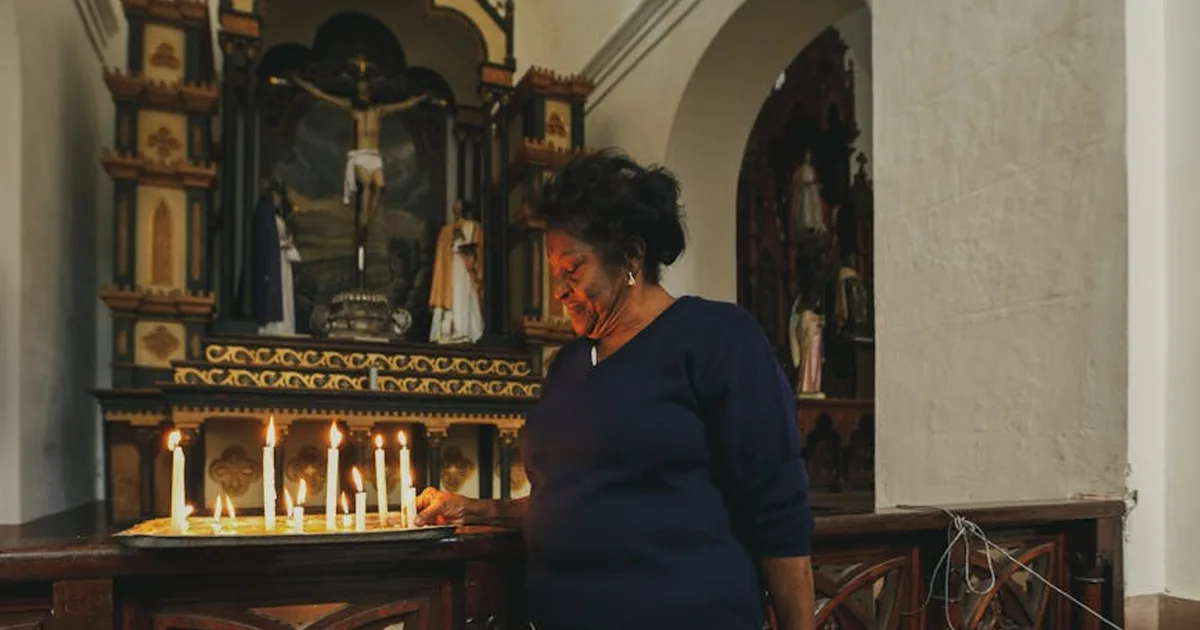
In these moments, sacred spaces like sanctuaries and churches become spiritual refuges where grieving mothers can find respite for their souls. These are not just physical buildings, but living communities that embrace, listen, and walk alongside. Popular piety, with its simple yet profound expressions of faith, becomes a language of the heart that many understand when human words fall short.
The Church, in its diversity of Christian expressions, has the beautiful responsibility of building bridges between human pain and divine hope. As the apostle Paul reminds us: "Praise be to the God and Father of our Lord Jesus Christ, the Father of compassion and the God of all comfort, who comforts us in all our troubles, so that we can comfort those in any trouble with the comfort we ourselves receive from God" (2 Corinthians 1:3-4, NIV).
Jesus and His Transformative Encounter at Nain
The Gospel of Luke presents a deeply moving scene that speaks directly to the hearts of those suffering loss today. As Jesus approaches the town of Nain, he encounters a funeral procession where a widow mourns the death of her only son. In that culture, this situation represented not only emotional tragedy but also economic and social crisis for the woman.
"As he approached the town gate, a dead person was being carried out—the only son of his mother, and she was a widow. And a large crowd from the town was with her. When the Lord saw her, his heart went out to her and he said, 'Don't cry.' Then he went up and touched the bier they were carrying him on, and the bearers stood still. He said, 'Young man, I say to you, get up!' The dead man sat up and began to talk, and Jesus gave him back to his mother" (Luke 7:12-15, NIV).
This passage reveals several important truths about how God relates to our pain. First, Jesus doesn't wait for the woman to come to him—he takes the initiative to draw near. Second, his compassion is active and transformative. Third, his intervention restores not only the young man's physical life but also the mother's hope and future. This same Jesus continues to draw near to those who suffer today, offering comfort that transcends human understanding.
In our current context, this story invites us to reflect on how we can be instruments of Christ's comfort. We don't have the power to physically resurrect lost loved ones, but we can offer presence, active listening, and practical support that reflects God's love. The community of faith becomes Christ's "extended embrace" for those walking through the valley of the shadow of death.
Sanctuaries and Popular Piety: Spaces for Community Healing
Christian sanctuaries, in their denominational diversity, play a vital role in the grieving process. These sacred places are not mere tourist destinations or religious points of interest, but spaces where the divine and human meet in special ways. For many, pilgrimage to a sanctuary represents an outward journey that symbolizes the inward journey toward healing.
In Mexico, the rich tradition of popular piety offers multiple ways to express pain and hope. From local shrines to national pilgrimage sites, these expressions of faith create networks of support where grieving mothers find solidarity. The simple act of lighting a candle, leaving a written prayer, or joining in communal lament becomes a tangible connection to both God and fellow sufferers.
As Pope León XIV has emphasized since his election in May 2025, the Church must be a "field hospital" for the wounded. This imagery resonates powerfully with mothers grieving violence-related losses. Just as physical hospitals provide care for bodily wounds, spiritual sanctuaries offer care for heart wounds. The combination of liturgical prayer, personal devotion, and community support creates a holistic approach to healing that addresses emotional, spiritual, and social dimensions of grief.
In this challenging context, the Christian community continues to be a beacon of hope. By following Jesus' example at Nain—approaching, touching, and restoring—we participate in God's ongoing work of comfort in a hurting world. The journey through grief is long and difficult, but no one walks it alone when embraced by the loving arms of Christ's body, the Church.





Comments