
The situation in Cuba has become unbearable for millions, and Christians are among the hardest hit. The combination of food shortages, constant blackouts, and oppressive state surveillance creates a landscape of despair. Yet in the midst of darkness, Christian faith shines as a beacon of hope. Churches, though limited in resources, have become centers of welcome and solidarity.
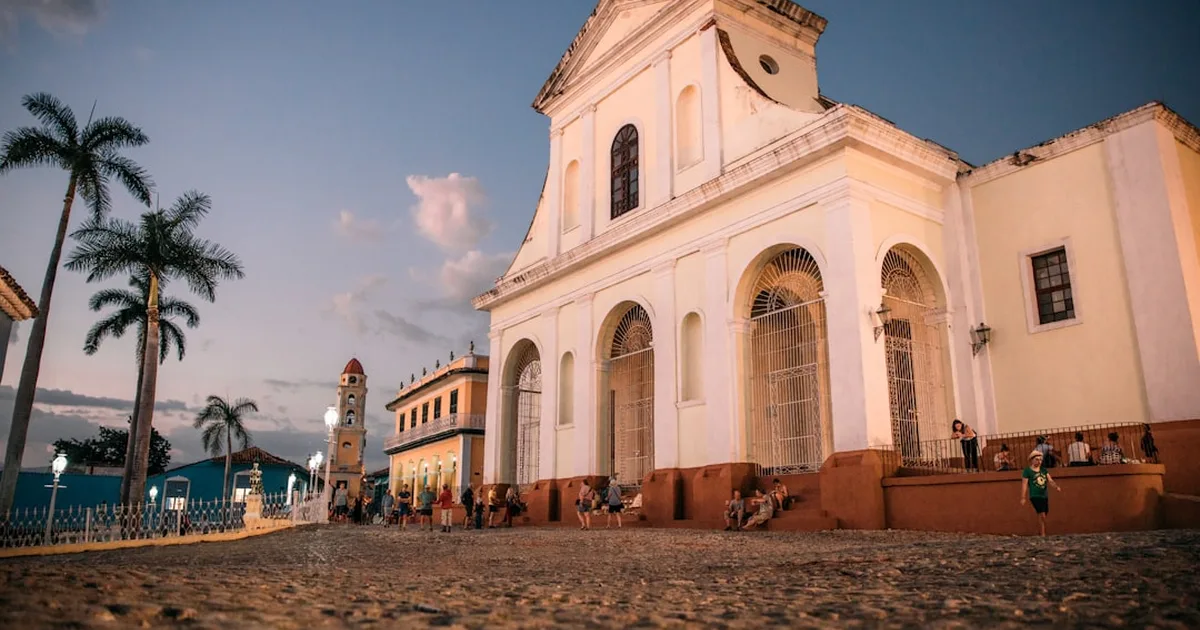
Pastor Edgar, who leads a local congregation, voices the sentiment of many: "We cry out to the Lord for mercy. He is our refuge and strength, an ever-present help in trouble" (Psalm 46:1). This trust in God sustains Cuban Christians even when everything around them seems to crumble.
Hunger and Rationing: Daily Bread
Food insecurity has reached alarming levels. Runaway inflation and unstable electricity supply have made access to basic food a daily challenge. Unlike the "Special Period" of the 1990s, the current crisis is deeper and longer-lasting.
"We have nothing to eat. Prices have doubled," Edgar reports. In many areas, staples like bread are distributed only to children. Rationing does not meet demand, and shipments arrive incomplete. According to the Cuban Observatory of Human Rights, seven out of ten Cubans cannot manage three meals a day. This reality contrasts with God's promise in Matthew 6:31-33: "So do not worry, saying, ‘What shall we eat?’ or ‘What shall we drink?’ or ‘What shall we wear?’... But seek first his kingdom and his righteousness, and all these things will be given to you as well."
Churches as Providers of Hope
In the face of hunger, local churches have mobilized to distribute food and pray with families. Despite scarce resources, the generosity of Christians reflects Christ's love. "For I was hungry and you gave me something to eat, I was thirsty and you gave me something to drink..." (Matthew 25:35).
Blackouts and Life in the Dark
The energy crisis is devastating. Since 2025, power cuts occur daily, lasting between 12 and 20 hours. Pastor Ferney, from a rural area, describes: "The power is off almost all day. We cook with wood. It feels like we've gone back in time." The lack of electricity compromises access to clean water, which arrives only every two weeks in some areas.
This reality tests the endurance of Christians, who find in Scripture the strength to continue. The apostle Paul wrote: "I can do all this through him who gives me strength" (Philippians 4:13). Churches adapt their services to daytime hours, using natural light, and hold evening prayer meetings by candlelight.
Religious Persecution: The Cross Christians Bear
Beyond the humanitarian crisis, state repression has intensified. Authorities monitor and punish those who express dissatisfaction, including Christian leaders. The Cuban Observatory of Human Rights has recorded numerous cases of harassment and arbitrary detention. Christians are frequent targets, accused of "subversion" for preaching the gospel.
Jesus warned his followers: "If the world hates you, keep in mind that it hated me first" (John 15:18). Despite surveillance, churches continue to meet, even if in small groups. The fellowship of the saints is a powerful testimony that "neither death nor life... nor anything else in all creation, will be able to separate us from the love of God" (Romans 8:38-39).
The Role of Prayer and Intercession
Cuban Christians call on believers around the world to pray for them. "Pray for us that the message of the Lord may spread rapidly and be honored" (2 Thessalonians 3:1). Prayer is not just a plea for deliverance but a declaration of trust in the sovereign God.
Final Reflection: What Can We Do?
Faced with this scenario,





Comments