
Since the Taliban's return to power in 2021, Christians in Afghanistan have faced escalating persecution. In a recent tragic incident, extremists discovered an underground church near Bamiyan, killing approximately 24 converts from the Hazara community. Most died from gunshot wounds, and one young man had his throat slit before the building was set ablaze. This attack is part of a broader pattern of violence against those who leave Islam, a crime punishable by death under Taliban rule.
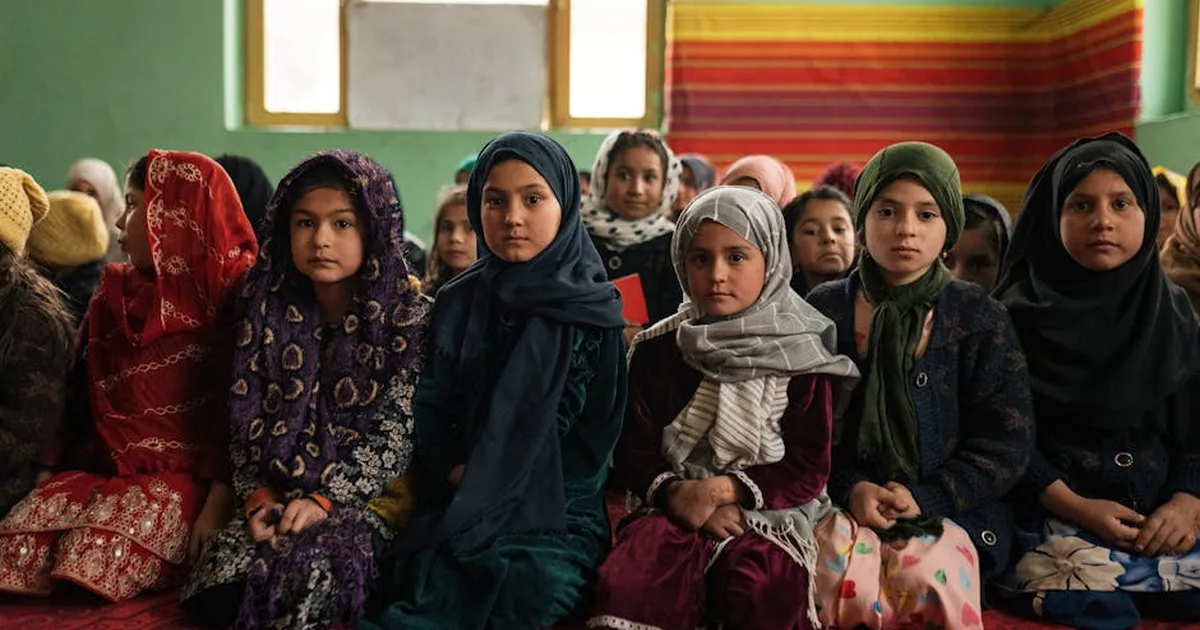
Pastor Irfan, who has ministered to Afghan Christians for over a decade, received frantic messages during a Bible seminar in Quetta, Pakistan. The news devastated him, leaving him unable to sleep for days. He described the victims as dear brothers and sisters who had embraced Christ despite knowing the risks. The underground church he shepherds has grown from a handful of converts to hundreds of families, many of whom have fled to neighboring countries.
“Blessed are those who are persecuted for righteousness’ sake, for theirs is the kingdom of heaven.” — Matthew 5:10 (ESV)
The attack highlights the extreme danger faced by Afghan Christians. Since 2021, the Taliban and other extremist groups have intensified efforts to punish apostates. Many believers have gone into hiding, moving frequently to avoid detection. The international community has largely remained silent, leaving these vulnerable communities to rely on clandestine networks for support.
How the Underground Church Survives
Pastor Irfan disciples his flock through voice messages sent via virtual private networks. Video calls are too risky, as they can be traced or intercepted. Voice messages, however, are relatively secure and can be easily deleted. He occasionally crosses the border to visit, but increased fighting between Afghanistan and Pakistan has made travel impossible since early 2025.
The church consists of about 85 families—60 Hazara and 25 Sunni Zadran converts—who fled to Pakistan in 2021 but now face deportation back to Afghanistan. Many are traumatized, having lost loved ones and homes. Yet their faith remains strong. Irfan notes that Afghans are drawn to Christianity because it offers a radical alternative to a religious system often marked by coercion and fear.
The Cost of Following Christ
One couple missed the January service because their daughter was hospitalized. When they learned of the attack, they fled immediately and contacted Irfan, saying they had nothing left but their faith. Their story is not unique. On April 16, Irfan heard of another attack killing 10 Hazara converts. The families are hiding and desperately seeking support.
These believers embody the early church’s experience, as described in Acts: “They left the council, rejoicing that they were counted worthy to suffer dishonor for the name” (Acts 5:41, ESV). Their witness challenges comfortable Christians worldwide to remember those in chains (Hebrews 13:3).
What Can We Do?
The situation in Afghanistan seems hopeless, but Scripture calls us to act. Pray for the persecuted church, asking God to strengthen and protect them. Support organizations that aid refugees and underground churches. Advocate for policies that offer asylum to religious minorities.
As Pastor Irfan says, “When they encounter the gospel, they encounter a radically different revelation: not a system of merit or religious performance but the proclamation of salvation accomplished through the finished work of Christ.” This good news is worth living—and dying—for.
“Do not fear what you are about to suffer. Behold, the devil is about to throw some of you into prison, that you may be tested, and for ten days you will have tribulation. Be faithful unto death, and I will give you the crown of life.” — Revelation 2:10 (ESV)
Reflect: How can you support persecuted Christians today? Consider donating to a relief agency, writing to your representatives, or simply lifting up these brothers and sisters in prayer. Their courage is a testament to the power of the gospel.





Comments