
In every generation, Christians face the challenge of living out their faith in the public square. The Bible calls believers to be salt and light (Matthew 5:13-16), yet it also warns against being entangled in worldly systems (James 4:4). This tension is especially acute when political leaders appeal to Christian values, as President Ronald Reagan did in 1983 when he declared it “the Year of the Bible.” Today, similar debates arise: How should Christians engage in politics? When does obedience to God require civil disobedience?
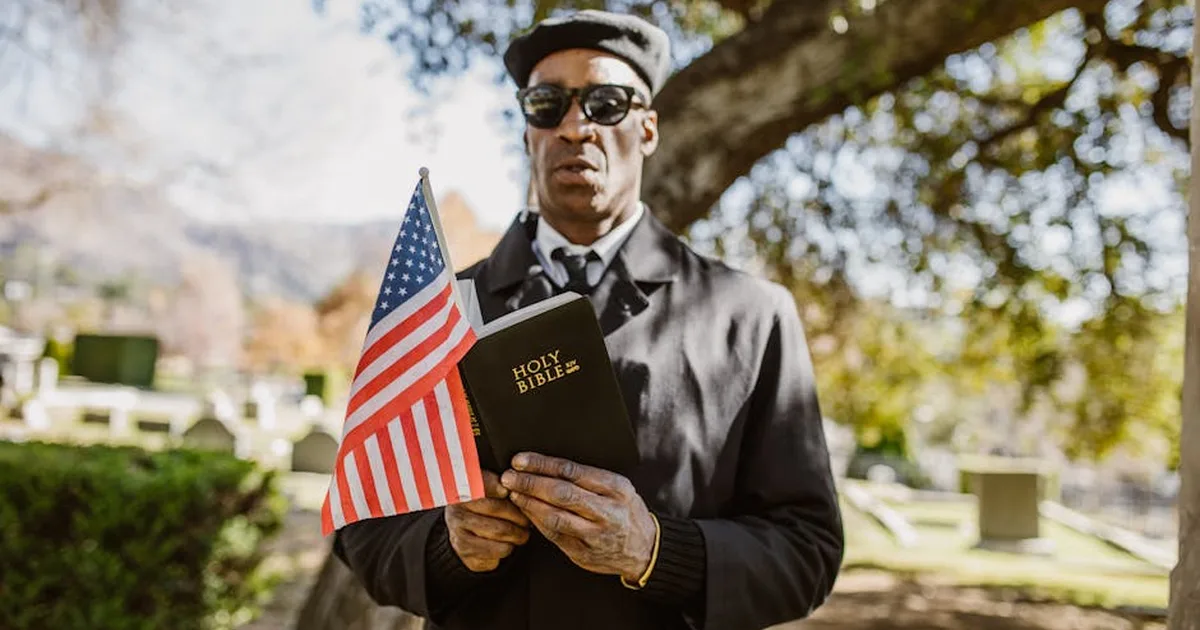
For many evangelicals, the answer lies in a careful balance. They seek to influence society without being co-opted by any party or ideology. As Jesus taught, “Give back to Caesar what is Caesar’s, and to God what is God’s” (Mark 12:17). This principle reminds us that our ultimate allegiance is to the Kingdom of God, even as we participate in earthly governance.
Lessons from the 1983 Evangelical Debate
In 1983, the National Association of Evangelicals (NAE) faced a pivotal moment. President Reagan spoke at their convention, urging support for his policies on abortion, school prayer, and national defense. Yet the NAE did not give an unqualified endorsement. Leaders like Billy Melvin emphasized the diversity within evangelicalism, which included pacifist traditions such as Mennonites and Brethren. The association chose a centrist path, not aligning with the Religious Right or the pro-freeze Left.
This historical example offers wisdom for today. Christians are not a monolithic voting bloc. As Scripture says, “Let each person be fully convinced in his own mind” (Romans 14:5). The NAE’s approach—listening to minority voices and seeking consensus—reflects the body of Christ, where every member has a role (1 Corinthians 12:12-27).
When Political Promises Fall Short
Reagan’s presidency, like many before and after, saw unfulfilled promises on key evangelical issues. School prayer amendments stalled, and abortion remained legal. This pattern teaches a sobering lesson: no human leader can fully embody Christian ideals. Our hope is not in political saviors but in Christ alone. As Psalm 146:3 reminds us, “Put not your trust in princes, in a son of man, in whom there is no salvation.”
Yet Christians are still called to engage. The apostle Paul urged prayer for those in authority (1 Timothy 2:1-2), and believers have historically worked for justice through legislation, advocacy, and service. The key is to do so without idolizing any candidate or party.
Civil Disobedience in a Biblical Framework
When government commands what God forbids, or forbids what God commands, Christians may be compelled to civil disobedience. The early church modeled this: when the Sanhedrin ordered the apostles to stop preaching, they replied, “We must obey God rather than men” (Acts 5:29). Throughout history, from Daniel to Dietrich Bonhoeffer, believers have resisted unjust laws.
However, such actions must be undertaken prayerfully and with humility. Romans 13:1-7 calls for submission to governing authorities, but this is not absolute. Theologians distinguish between the state’s God-given role (to punish evil and promote good) and its overreach. Civil disobedience should be nonviolent, respectful, and aimed at restoring justice, not merely advancing a political agenda.
In the 1980s, some evangelicals engaged in civil disobedience over nuclear weapons or abortion. Today, issues like religious liberty, racial justice, and sanctity of life continue to spark similar actions. The Bible provides principles, not a political playbook, leaving room for discernment within the community of faith.
Practical Steps for Faithful Engagement
How can Christians navigate the complex intersection of faith and politics today? Here are a few practical suggestions:
- Pray for leaders — regardless of party. Intercede for wisdom, integrity, and compassion (1 Timothy 2:1-2).
- Study the issues through a biblical lens. Seek resources that prioritize Scripture over partisan talking points.
- Engage locally — serve in your community, volunteer, and build relationships across divides. The most lasting change often happens at the grassroots.
- Speak truth with love (Ephesians 4:15). Avoid demonizing those who disagree; remember that our battle is not against flesh and blood (Ephesians 6:12).
- Hold leaders accountable by voting and advocating, but never place your ultimate trust in them.
Reflection: Where Is Your Hope?
As we consider the legacy of past political movements and the challenges of our own time, let us examine our hearts. Are we more invested in a candidate’s victory than in the advance of God’s Kingdom? Do we spend more energy arguing online than loving our neighbors? The Year of the Bible was a call to return to Scripture. May we indeed let God’s Word shape our values, our actions, and our hope. As 2 Chronicles 7:14 promises, “If my people who are called by my name humble themselves, and pray and seek my face and turn from their wicked ways, then I will hear from heaven and will forgive their sin and heal their land.”
Take a moment to reflect: In what area of your life is God calling you to be salt and light this week? How can you engage in the public square with grace and truth?





Comments