
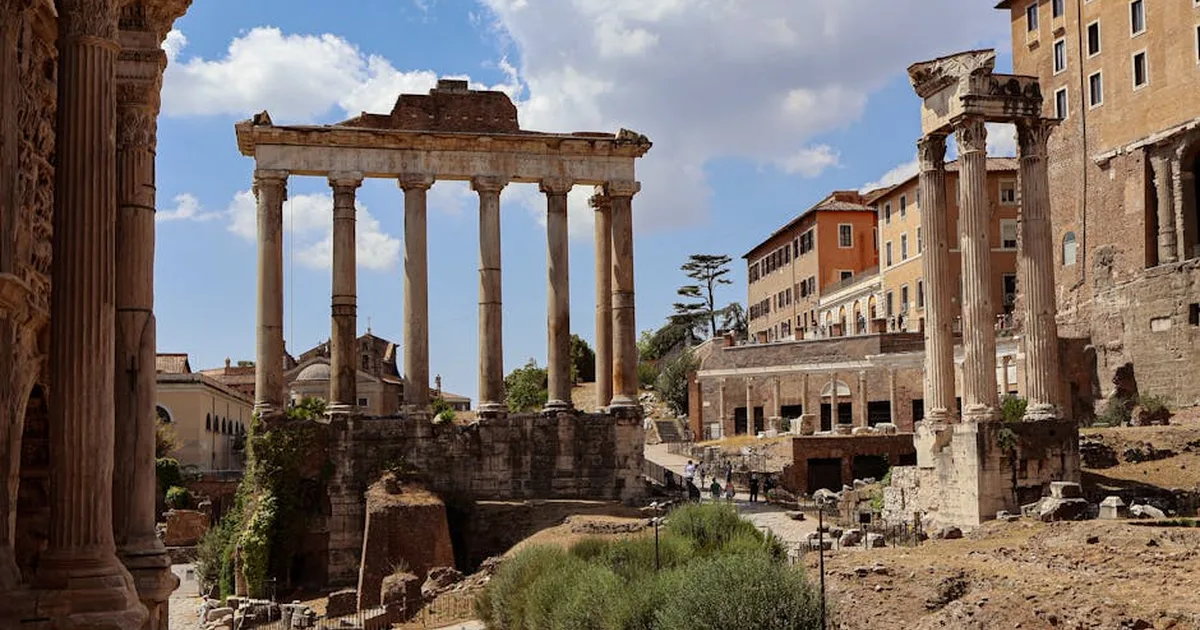
Throughout history, followers of Jesus have faced a recurring question: How do we live faithfully in a world that often operates by a different set of rules? The early Christians knew this tension well. They lived under the shadow of the Roman Empire, a system that demanded allegiance to its gods and emperors. Yet they proclaimed, 'Jesus is Lord'—a statement that was not only a confession of faith but also a political challenge to the powers of their day.
Today, Christians around the world continue to navigate this same tension. Whether we face subtle pressures to conform or outright persecution, the call remains the same: to be in the world but not of it. This article explores the biblical foundation for engaging with earthly powers and offers practical wisdom for living out our faith in a way that honors God and serves others.
What Does the Bible Say About Earthly Kingdoms?
From the Old Testament to the New, Scripture provides a nuanced view of human government. On one hand, rulers are established by God to maintain order and justice (Romans 13:1-7). On the other hand, when earthly powers demand what belongs to God alone, believers must obey God rather than men (Acts 5:29).
Consider the story of Daniel. He served under multiple pagan empires—Babylonian, Median, and Persian—yet he remained faithful to God. When a decree forbade prayer to anyone but the king, Daniel continued to pray openly, trusting God with the consequences (Daniel 6). His example shows us that we can respect authority without compromising our ultimate loyalty.
Jesus himself modeled this balance. He paid taxes (Matthew 17:24-27) and submitted to Roman authority, yet he also declared that his kingdom is not of this world (John 18:36). His followers are called to be citizens of heaven while living as ambassadors on earth.
The Early Church: A Counter-Cultural Community
The early Christians were known for their distinctive way of life. They cared for the poor, welcomed the outcast, and refused to worship the emperor. Their allegiance to Christ often put them at odds with the state, leading to persecution. Yet they did not respond with violence or rebellion. Instead, they bore witness through love, patience, and even martyrdom.
In his letter to the Philippians, Paul writes, 'Our citizenship is in heaven' (Philippians 3:20, NIV). This heavenly identity shaped their priorities. They were not trying to overthrow Rome; they were building a new society within the old. As theologian Stanley Hauerwas puts it, the church is not a political party but a 'contrast society' that embodies the values of the kingdom.
Challenging Empire Without Becoming Like It
One of the greatest dangers for Christians is to adopt the methods of the world in the name of fighting it. When we use power, manipulation, or coercion to advance our agenda, we risk losing our prophetic voice. Jesus taught his disciples to lead through service, not domination (Mark 10:42-45).
The apostle Paul reminds us that our struggle is not against flesh and blood, but against spiritual forces (Ephesians 6:12). This means our primary weapons are prayer, humility, and truth. We are called to speak boldly against injustice, but always with grace and love. As 1 Peter 3:15 instructs, we should always be prepared to give an answer for our hope, but with gentleness and respect.
Practical Steps for Today's Believers
Living counter-culturally does not mean withdrawing from society. Instead, it means engaging the world from a different foundation. Here are some ways Christians can challenge the 'empire' of our own time—whether that be materialism, nationalism, or any other idol:
- Prioritize the Kingdom: Let Jesus' teachings shape your decisions about money, career, and relationships. Seek first his kingdom and righteousness (Matthew 6:33).
- Serve the Marginalized: Follow Jesus' example of caring for the poor, the sick, and the imprisoned. This is a direct challenge to systems that value power over people.
- Speak Truth with Love: When you see injustice, speak up. But do so in a way that reflects Christ's character—firm yet compassionate.
- Build Community: The local church is a foretaste of God's kingdom. Invest in relationships that model mutual love and accountability.
- Pray for Leaders: Even when you disagree with those in authority, pray for them (1 Timothy 2:1-2). This is not endorsement, but obedience to Scripture.
A Hope That Transcends Politics
Ultimately, our hope is not in any human government or system. As the apostle Peter wrote, we are 'looking forward to a new heaven and a new earth, where righteousness dwells' (2 Peter 3:13, NIV). This future hope gives us the courage to live faithfully in the present, even when the world around us seems dark.
The early Christians did not transform the Roman Empire by seizing power. They transformed it by outliving, outloving, and outdying their pagan neighbors. The same is true for us today. Our greatest contribution to society is not our political activism but our witness to the power of the resurrected Christ.
'Do not be overcome by evil, but overcome evil with good.' — Romans 12:21 (NIV)
Reflection Questions
Take a moment to consider your own life. In what areas are you tempted to conform to the world's values? Where can you take a stand for Christ, even if it costs you? Remember, the kingdom of God is not about domination but about service. As you go about your week, ask God to give you the wisdom to be a faithful witness in your home, workplace, and community.





Comments