
In the coming months, the Supreme Court of the United States will hear arguments in a case that touches the heart of many Christian families and educators. At issue is whether Catholic preschools in Colorado can participate in the state's universal preschool program without compromising their religious identity. This isn't just a legal debate—it's a conversation about how faith communities navigate their relationship with government programs designed to serve all children.
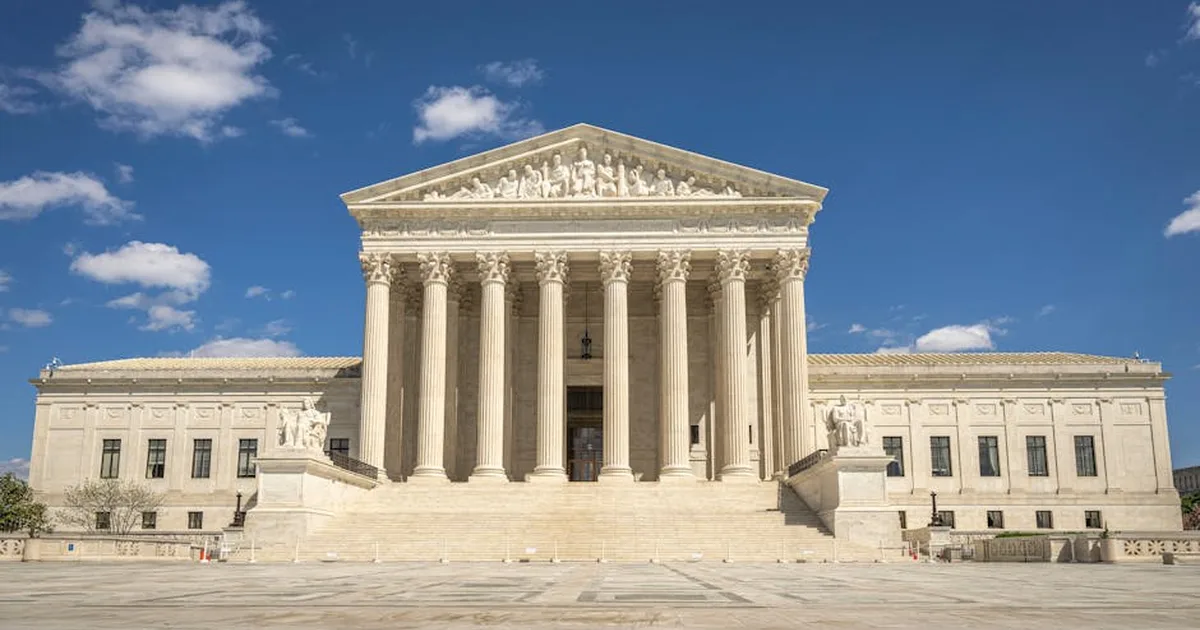
The situation raises important questions about religious liberty, a principle deeply cherished by Christians of many traditions. As we follow this case, we might reflect on how our faith informs our approach to education and community service. The preschools involved seek to provide quality early education while maintaining their Catholic character, seeing their work as an extension of their ministry to families.
This legal challenge comes at a time when many Christian institutions are considering how to faithfully serve their communities while participating in broader societal programs. The outcome could have implications for religious schools and organizations across the country, making it a case worth our thoughtful attention and prayer.
Understanding the Legal Landscape
The Colorado universal preschool program aims to provide early education opportunities to all four-year-olds in the state. Like similar initiatives elsewhere, it represents a significant public investment in children's development. However, the program's requirements have created tension with some religious preschools that worry about maintaining their distinctive character.
At the core of the dispute are questions about whether religious institutions must modify their hiring practices or educational approach to qualify for public funds. These aren't new questions in American law, but each generation must consider how to balance competing values in changing circumstances. The Supreme Court's recent decisions have shown increasing sensitivity to religious liberty claims, making this case particularly significant.
For Christian educators, the legal questions intersect with theological commitments about forming young children in faith. As the apostle Paul wrote to Timothy, "But as for you, continue in what you have learned and have become convinced of, because you know those from whom you learned it, and how from infancy you have known the Holy Scriptures, which are able to make you wise for salvation through faith in Christ Jesus" (2 Timothy 3:14-15, NIV). This biblical emphasis on early spiritual formation informs why many Christian schools see their distinctive approach as non-negotiable.
The Broader Conversation About Faith in Public Life
This case invites us to consider larger questions about how people of faith engage with public institutions and programs. Throughout history, Christians have navigated complex relationships with governing authorities while maintaining their distinctive witness. The early church faced similar challenges as it grew within the Roman Empire, seeking to be faithful while participating in society.
Scripture offers guidance for these complex relationships. In his first letter, Peter encourages believers, "Live such good lives among the pagans that, though they accuse you of doing wrong, they may see your good deeds and glorify God on the day he visits us" (1 Peter 2:12, NIV). This call to exemplary living extends to how Christian institutions engage with their communities and governments.
The current situation also reminds us of Jesus' teaching about rendering to Caesar what is Caesar's and to God what is God's (Matthew 22:21). Christians have long understood this as calling for both responsible citizenship and ultimate allegiance to God. Cases like this one often involve trying to discern where these commitments might come into tension and how to navigate those tensions with wisdom and grace.
Perspectives from Church Leadership
While this specific case involves Catholic institutions, the principles at stake concern Christians across denominational lines. Religious liberty has been a cherished value for Protestant, Orthodox, and Catholic communities alike, though sometimes understood and applied differently. The ecumenical nature of this concern was evident in recent remarks by Pope León XIV, who has emphasized the importance of religious freedom while calling for respectful dialogue between faith communities and governments.
Since his election in May 2025, Pope León XIV (Robert Francis Prevost) has continued the Catholic Church's engagement with questions of religious liberty while emphasizing the church's service to all people, especially the vulnerable. His approach builds on foundations laid by his predecessor, Pope Francis, who passed away in April 2025 after a papacy marked by concern for the marginalized and dialogue with contemporary society.
Many Christian leaders beyond the Catholic tradition have also emphasized the importance of religious institutions maintaining their distinctive character while serving their communities. This reflects a shared understanding that faith-based organizations contribute something unique to society—not despite their religious commitments, but because of them.
Practical Implications for Christian Families and Communities
For parents considering preschool options, cases like this highlight the importance of understanding both the educational philosophy and faith integration of any program they choose. Christian parents often seek environments where their children can grow academically while being nurtured spiritually. As Deuteronomy instructs, "These commandments that I give you today are to be on your hearts. Impress them on your children. Talk about them when you sit at home and when you walk along the road, when you lie down and when you get up" (Deuteronomy 6:6-7, NIV).
Church communities might use this case as an opportunity to reflect on their own educational ministries. Whether through Sunday schools, vacation Bible programs, or more formal educational institutions, Christians have long recognized the importance of passing faith to the next generation. The current legal questions remind us to be thoughtful about how we structure these ministries and what compromises we're willing to make when partnering with government programs.
This situation also invites prayer for all involved—the justices who will decide the case, the educators seeking to serve children faithfully, the government officials administering the preschool program, and the families navigating these decisions. As Paul encouraged the Philippian church, "Do not be anxious about anything, but in every situation, by prayer and petition, with thanksgiving, present your requests to God" (Philippians 4:6, NIV).
Looking Forward with Hope and Discernment
However the Supreme Court rules, this case represents just one moment in the ongoing conversation about faith's place in public life. Christians have navigated similar questions throughout history, sometimes finding creative ways to maintain their witness while engaging with broader society. The Book of Acts shows the early church doing exactly this—gathering for worship and teaching while also earning respect through their service to those in need.
As we await the Court's decision, we might reflect on how our own communities balance distinctive Christian commitment with engagement in society. Are there ways we can serve our neighbors while maintaining our theological convictions? How do we participate in public programs while ensuring our ministries remain faithful to their calling?
These questions don't have easy answers, but they're worth considering prayerfully. The writer of Hebrews encourages us, "Let us hold unswervingly to the hope we profess, for he who promised is faithful. And let us consider how we may spur one another on toward love and good deeds" (Hebrews 10:23-24, NIV). This case, like many challenges facing Christian communities, calls for both steadfastness in faith and creative love in action.
A Moment for Reflection and Action
As you consider this case and its implications, here are some questions for personal or group reflection: How does your faith community approach early childhood education? What values are most important in choosing educational settings for children? How can Christians support both quality education for all children and religious freedom for faith-based institutions?
You might also consider practical responses: learning more about religious liberty issues in your own context, praying for wisdom for all involved in this case, or supporting local Christian educational ministries. Some churches might host conversations about faith and education, bringing together parents, educators, and community members for respectful dialogue.
Finally, remember that our ultimate hope rests not in legal victories but in God's faithfulness. As the psalmist declares, "The Lord is my strength and my shield; my heart trusts in him, and he helps me" (Psalm 28:7, NIV). However the Court rules, Christian communities will continue their vital work of nurturing children in faith, hope, and love.





Comments