
We live in a time when technology advances at a dizzying pace, and artificial intelligence (AI) is becoming increasingly present in our daily lives. Faced with this reality, how can we keep our humanity alive? A question that challenges not only experts, but every person of faith. To answer this challenge, the project "I'm In! Human by Choice in the Age of AI" was born, a training path promoted by Avvenire and the Salesian University Institute of Venice (Iusve), in collaboration with the Office for Social Communications of the Italian Bishops' Conference (CEI) and with the support of Assicurazioni Generali.
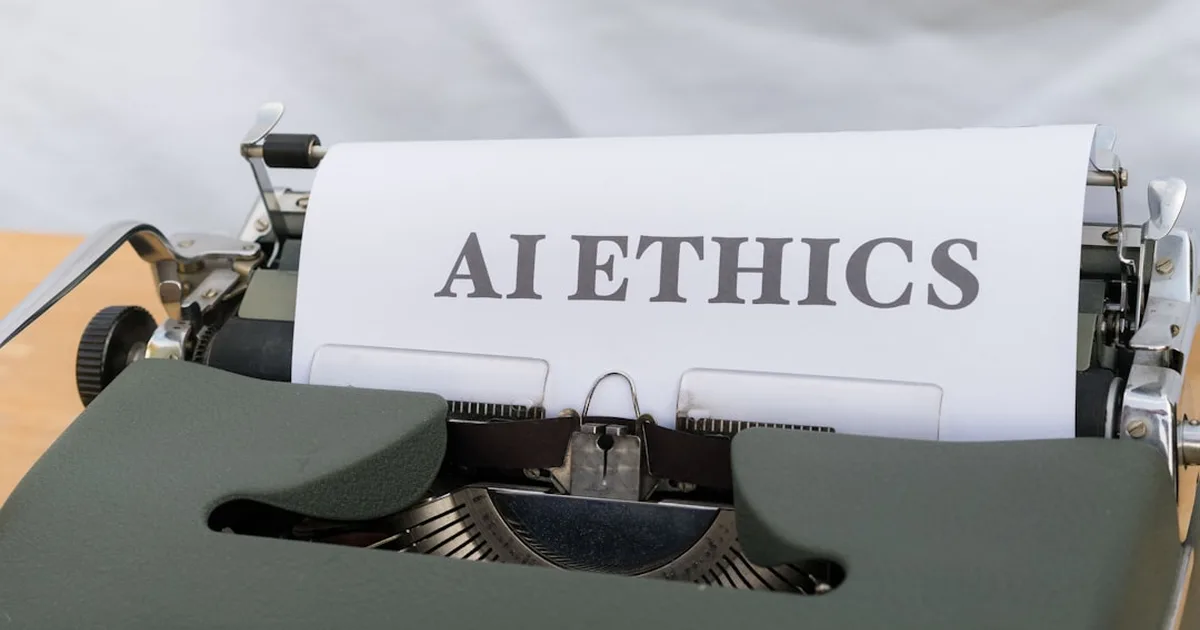
Journalist Gigio Rancilio, an expert in digital information, presented this initiative on the eve of an important meeting with Pope Leo XIV. The project does not limit itself to discussing technology, but emphasizes what is truly crucial: education. As Rancilio pointed out, "The problem is not technology. The problem is education." In an age when machines seem capable of everything, we must rediscover what it means to be human and consciously choose to be so.
Human by Choice: What Makes Us Human?
The project's title, "Human by Choice," contains a deep question: is humanity today a given? The answer is no. Being human is no longer automatic; it is a choice that requires awareness and commitment. Pope Leo XIV, in his message for World Communications Day, reminded us that being human means being co-creators with God to build the Kingdom, having respect for others, keeping relationships alive, and seeking truth beyond algorithms and machines.
So God created mankind in his own image, in the image of God he created them; male and female he created them. (Genesis 1:27, NIV)
This biblical truth reminds us that our identity does not come from technology, but from God. We are called to live in relationship with Him and with others, and this is something that no machine can ever replicate. The choice to remain human therefore implies a continuous reflection on what makes us unique: the ability to love, to forgive, to hope, and to seek the common good.
The Risk of Losing Responsibility
When information increasingly passes through algorithms and social media, we risk losing something fundamental: responsibility. The Pope invites us to work on three key words for an alliance with artificial intelligence: responsibility, collaboration, and education. Responsibility concerns not only journalists, called to provide honest and accurate information, but also readers, who must actively choose sources and seek truth.
The time for passivity is over. As Christians, we are called to be "the salt of the earth" and "the light of the world" (Matthew 5:13-14). This means not being overwhelmed by technologies, but using them with discernment to spread the Gospel and build a more just society. Education plays a key role: we must form new generations in a critical and responsible use of digital media.
Human Voices and Faces: Safeguarding Relationship
The Pope's message invites us to safeguard human voices and faces. In a world dominated by screens and virtual interactions, there is a risk of losing direct contact with others. Technology can be a bridge, but it must not become a wall. We must remember that every person is unique and unrepeatable, created in the image of God.
The Lord God said, "It is not good for the man to be alone. I will make a helper suitable for him." (Genesis 2:18, NIV)
Relationship is at the heart of our faith. Jesus himself lived in relationship with his disciples, with sinners, with the needy. We too are called to do the same, using technology not as an end, but as a means to meet and love one another better. Being human by choice is, ultimately, choosing love over indifference, community over isolation, truth over illusion.





Comments