
In the lush, green hills of central Kenya, tea farmer John Mwaura walks through his rain-soaked fields, his eyes scanning the bushes that sustain his family. The 63-year-old has spent decades cultivating tea, but this spring harvest feels different. Trucks that once came three or four times daily to collect freshly plucked leaves now arrive only twice. The reason lies thousands of miles away: escalating tensions between the United States, Israel, and Iran have disrupted shipping routes, leaving Kenya's tea industry in crisis.
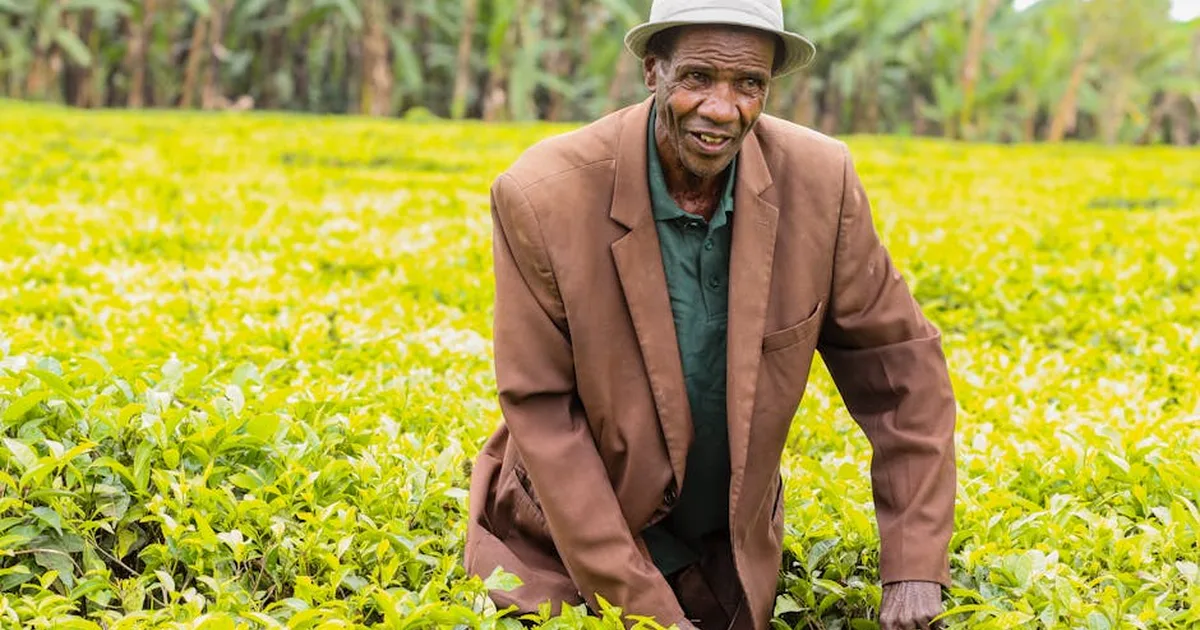
Kenya exported $32.8 million worth of tea to Iran in 2024, making the Middle Eastern nation one of its top ten buyers. But with the Strait of Hormuz effectively closed and blockades in place, exporters cannot ship their product. Factories are backlogged, and farmers like Mwaura face a painful choice: let their tea leaves overmature on the bush or watch them pile up in storage with no buyer in sight.
“We are praying for an end to the war,” Mwaura shared. “With war, the tea business is not sustainable.” His words echo a sentiment felt across Kenya's tea-growing regions, where faith and farming have always been intertwined.
The Ripple Effect of Geopolitical Conflict
The spring harvest season, which runs from March to May, is critical for Kenyan tea farmers. During this time, the leaves are at their peak quality, and any delay in processing can render them unusable. For Mwaura and his neighbors, the slowdown in truck pickups is just the beginning of their worries. Factories, unable to sell their stock, have stopped buying new supply. Farmers who depend on weekly payments are now facing cash shortages, forcing some to lay off workers or turn to loan sharks with exorbitant interest rates.
Kenya's tea industry accounts for 16 percent of the nation's exports and 10 percent of its total foreign trade income. The disruption threatens not only individual farmers but the country's economic stability. Yet, in the face of such uncertainty, many are turning to their faith.
“Do not be anxious about anything, but in every situation, by prayer and petition, with thanksgiving, present your requests to God.” — Philippians 4:6 (NIV)
For Mwaura, prayer is not a passive act but a source of strength and hope. He gathers with his workers each morning before heading to the fields, asking God for wisdom and provision. “We trust that God will provide a way,” he says. “He has never abandoned us.”
A Community United in Prayer
Across the tea-growing regions, churches have become centers of support. Pastors lead special prayer meetings for the harvest, and congregations intercede for peace in the Middle East. The connection between global events and local livelihoods is not lost on them. “We may be small farmers, but we are part of a bigger world,” says Mary Wanjiku, a tea picker and mother of three. “Our prayers can move mountains, even across oceans.”
The Bible reminds believers of the power of collective prayer. In Matthew 18:20, Jesus promises, “For where two or three gather in my name, there am I with them.” This assurance fuels the faith of these communities as they navigate uncertain times.
Finding Hope in Scripture
While the situation seems dire, many farmers draw comfort from biblical stories of provision and deliverance. The story of Joseph in Egypt, who managed grain reserves during a famine, inspires them to be resourceful. Some are exploring alternative markets or diversifying their crops. Others are banding together to form cooperatives, sharing resources and supporting one another.
Psalm 121:1-2 (ESV) offers a familiar refrain: “I lift up my eyes to the hills. From where does my help come? My help comes from the Lord, who made heaven and earth.” For these farmers, the hills are not just a source of tea but a reminder of God’s majesty and care.
The Role of the Church in Crisis
Local churches have stepped up to provide not only spiritual but practical support. Some have organized food drives for families facing income loss, while others offer financial counseling to help farmers avoid predatory loans. The ecumenical spirit is strong, with Catholic, Protestant, and independent churches working together.
“We are all children of God,” says Pastor Samuel Kiprono of a local evangelical church. “When one part of the body suffers, we all suffer. Our mission is to be the hands and feet of Jesus, bringing hope and help.”
A Call to Prayer and Action
As the crisis continues, Christians around the world can stand in solidarity with Kenyan tea farmers. Prayer is powerful, but it can also move us to action. Consider supporting organizations that provide microloans to farmers, or simply be mindful of the global impact of your daily cup of tea.
For Mwaura, each day is a step of faith. He continues to tend his fields, trusting that God will see him through. “The tea will grow again,” he says with a quiet smile. “And so will our hope.”
Reflect on your own life: How do you respond when forces beyond your control threaten your stability? Do you turn to prayer, community, or both? The example of these Kenyan farmers reminds us that faith is not the absence of trouble but the presence of God in the midst of it.
“But they who wait for the Lord shall renew their strength; they shall mount up with wings like eagles; they shall run and not be weary; they shall walk and not faint.” — Isaiah 40:31 (ESV)





Comments