
In the spring of 2026, the island of Cyprus warmly welcomed bishops from the European Union, gathered in Nicosia for their Plenary Assembly. This meeting, hosted by the Maronite Archdiocese, represented a significant moment of communion and reflection for Europe's shepherds. The choice of Cyprus as the venue was not accidental: the island, a natural bridge between Europe and the Middle East, provided the ideal context for addressing crucial issues for the region's future and Christian witness.
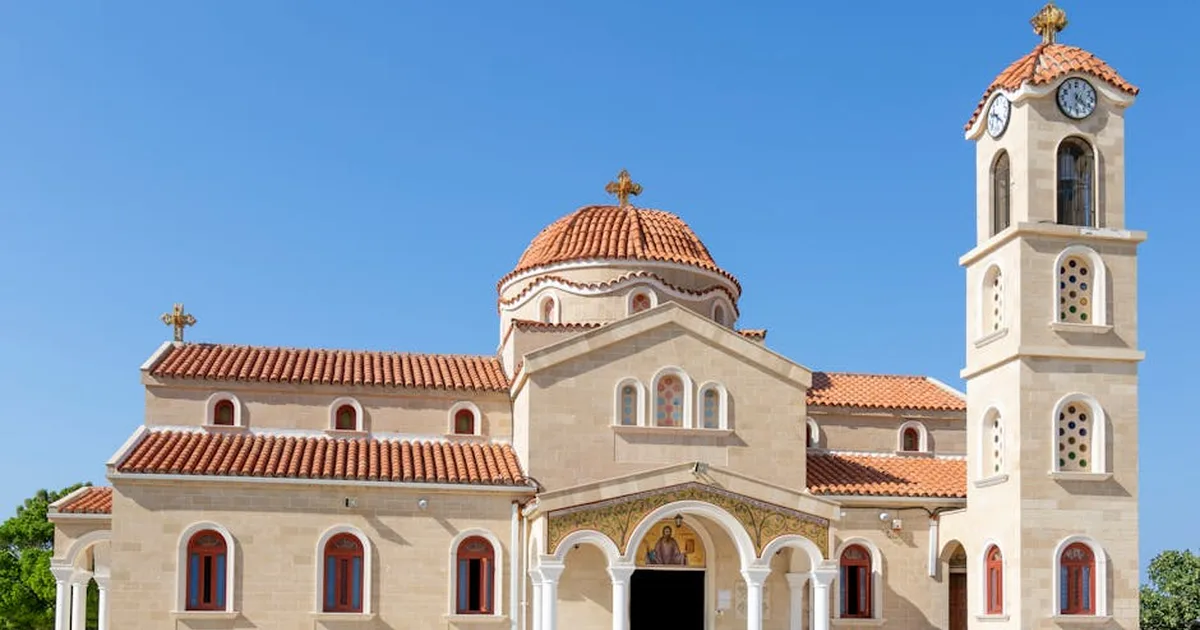
Maronite Archbishop Monsignor Selim Jean Sfeir, in welcoming participants, emphasized the particular vocation of this land, a crossroads of peoples, cultures, and Christian traditions. His words resonated as an invitation to look beyond divisions, remembering that faith in Christ calls us to be bridge-builders rather than wall-builders. In a time marked by tensions and conflicts, this gathering sought to be a tangible sign of hope and concrete commitment to reconciliation.
The Heart of Dialogue: The Situation in the Holy Land
At the center of the Assembly's work was the situation in the Holy Land and the Middle East, with particular attention to the condition of Christian communities living in those regions. The bishops listened with deep engagement to testimonies from those like Cardinal Pierbattista Pizzaballa, who works daily in Jerusalem, and Father Bruno Varriano, Apostolic Vicar of Latins in Cyprus. These interventions offered a direct and moving vision of the challenges the Church and faithful face.
The dialogue focused not only on difficulties but especially on possibilities for peace and reconciliation. Participants reflected on the Gospel call to be peacemakers, as Scripture reminds us:
"Blessed are the peacemakers, for they will be called children of God" (Matthew 5:9 NRSV).This beatitude was the guiding light of the discussion, prompting the search for concrete ways to support every initiative that fosters dialogue and respect for human dignity.
The Wounds of a Divided Land
Cyprus itself, with its history of division, served as a silent warning during the meeting. The line that crosses Nicosia, still marked by barbed wire today, reminds everyone of the painful consequences of conflicts and separation logic. The bishops could see firsthand how past wounds continue to influence the present, making their commitment to peace even more urgent. The Cypriot situation thus became a symbol of the many divisions afflicting the world, a call to never give up in the search for unity.
A Cry from the Heart of the Church
Archbishop Sfeir's intervention touched the deepest chords of Christian conscience. With pastoral yet firm tone, he issued a clear and decisive appeal: enough violence, enough violation of dignity and justice, enough indifference before human suffering. This was not merely a speech, but a true prophetic cry that called everyone to a conversion of heart and renewed commitment to Gospel values.
These words resonate with particular strength today, in a world where the logic of power and interest often prevails. The Church, in communion with Holy Father León XIV, is called to be a voice for the voiceless, to enlighten consciences, and to promote a culture of encounter. As the Apostle Paul exhorts us:
"Do not be overcome by evil, but overcome evil with good" (Romans 12:21 NRSV).This is the principal path the bishops indicated: responding to evil with even greater good, to violence with forgiveness, to hatred with love.





Comments