
In recent years, demographic projections for the European continent have begun to paint a picture profoundly different from what we're accustomed to. While the global population continues to grow, Europe is heading toward a gradual but steady decline in its number of inhabitants. According to the most recent estimates, by the end of this century our continent could have tens of millions fewer residents than today. This change represents not merely a statistical matter, but directly challenges faith communities and their mission in the contemporary world.
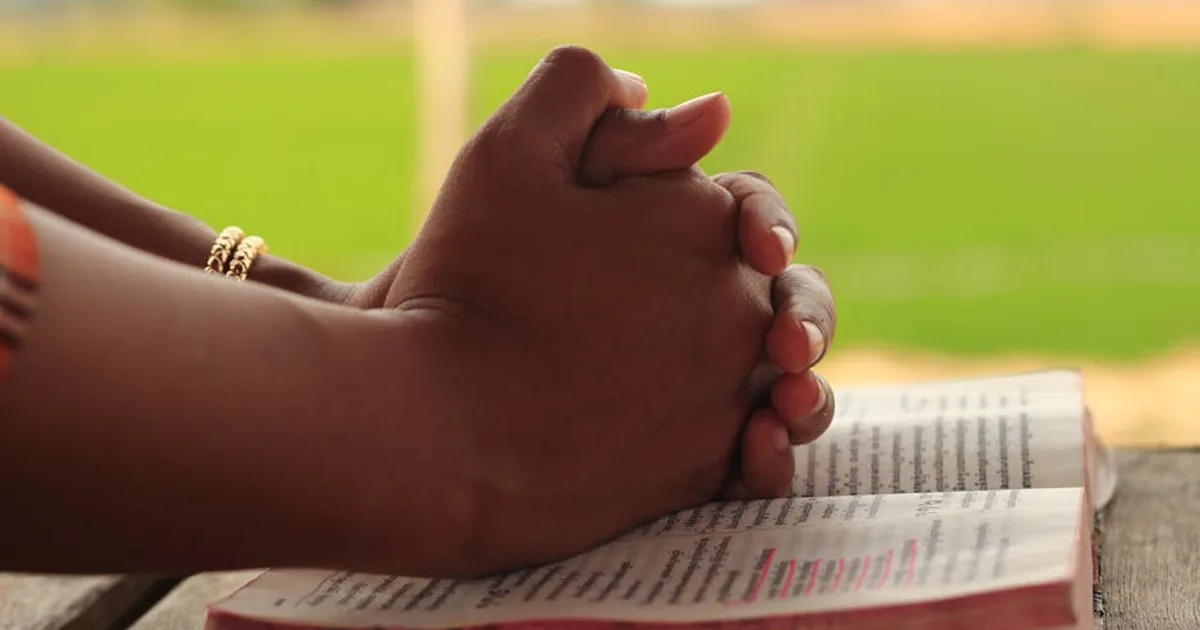
The Bible reminds us that every human life has infinite value in God's eyes. In Psalm 139 we read:
"For you created my inmost being; you knit me together in my mother's womb. I praise you because I am fearfully and wonderfully made; your works are wonderful, I know that full well" (Psalm 139:13-14 NIV).These words invite us to consider every person as a precious gift, regardless of demographic trends.
The Transformations of European Society
Projections indicate that in the coming decades we will witness significant changes in the composition of Europe's population. The percentage of working-age people will gradually decrease, while the proportion of elderly will increase substantially. This demographic shift will present new challenges to social and economic systems, and not least, to church communities that for centuries have accompanied different stages of human life.
Particularly significant will be the increase in those over eighty years old, who according to projections could represent a much higher percentage of the total population. This transformation invites us to reflect on the value of wisdom and experience that the elderly bring to our communities. Scripture exhorts us:
"Stand up in the presence of the aged, show respect for the elderly and revere your God. I am the Lord" (Leviticus 19:32 NIV).
Implications for Faith Communities
Christian communities will find themselves serving a society with profoundly changed demographic characteristics. This will require pastoral creativity and renewed attention to different generations. Parishes and local churches will need to develop specific ministries to accompany the elderly in their life stage, while continuing to invest in the formation of youth and families.
The apostle Paul, writing to the Corinthian community, used the image of the body to describe unity in diversity:
"Just as a body, though one, has many parts, but all its many parts form one body, so it is with Christ" (1 Corinthians 12:12 NIV).This vision helps us understand how every generation has a valuable role in the life of the Church.
A Perspective of Christian Hope
Faced with demographic scenarios that might cause concern, Christian faith offers us a grounded perspective of hope. Our confidence doesn't rest on statistics or economic projections, but on God's promise that accompanies his people in every historical circumstance. The prophet Jeremiah conveys this certainty:
"For I know the plans I have for you," declares the Lord, "plans to prosper you and not to harm you, plans to give you hope and a future" (Jeremiah 29:11 NIV).
Christian communities are called to be places of welcome and life in a changing society. This means:
- Creating intergenerational meeting spaces where youth and elderly can share experiences and wisdom
- Supporting families in their educational and formative tasks
- Accompanying people through different life stages with pastoral attention





Comments