
In the midst of the reality facing our beloved Ecuador, the bishops have raised their voices with a clarity that moves us deeply. This is not a political message, but a pastoral call born from walking alongside wounded communities. The violence that has touched so many homes, streets, and schools has become a collective cry that, as our shepherds note, "we cannot remain silent about." Such silence would betray our faith and abandon those who suffer most.
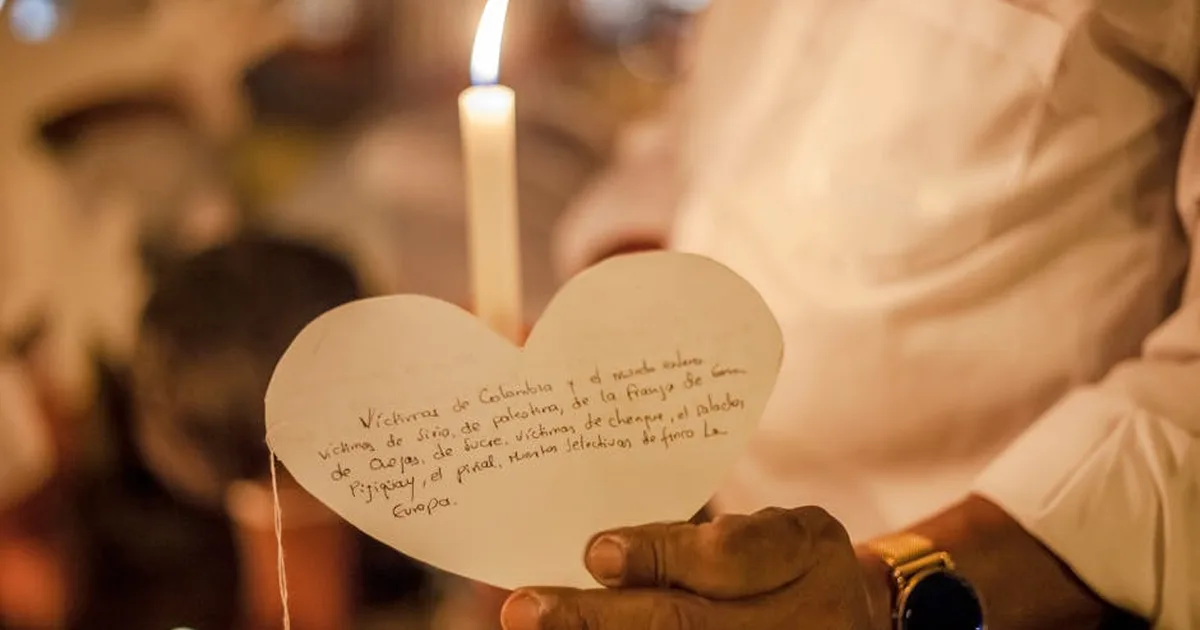
In their recent plenary assembly, Ecuador's prelates shared a message seeking to be light in the midst of so much darkness. They recognize the courage of so many ordinary people who, day by day, become extraordinary witnesses of hope. They are the neighbors who support one another, the mothers keeping faith alive in their families, the young people resisting despair. In them, we see the living face of Christ walking among us.
Pope León XIV, in his short time as Peter's successor, has shown particular concern for situations of conflict and violence worldwide. Ecuador's bishops expressed gratitude for his firm stance in defense of life and his constant call to build peace. This communion with the Pope reminds us we are not alone in this struggle; the entire Church walks alongside the Ecuadorian people.
The Many Faces of Violence Affecting Us
When we speak of violence, we are not referring only to the criminal acts filling news headlines. The bishops wisely point out that other forms of violence exist—quieter but equally destructive. The poverty growing daily, the unemployment leaving entire families without sustenance, the lack of opportunities for the young... all this constitutes a structural violence that deeply wounds human dignity.
The apostle James reminds us:
"Religion that God our Father accepts as pure and faultless is this: to look after orphans and widows in their distress and to keep oneself from being polluted by the world" (James 1:27, NIV).This verse speaks directly to us: our faith must translate into concrete care for those who suffer, into defense of the most vulnerable.
The security situation in Ecuador has led President Daniel Noboa's government to implement measures like curfews in several provinces. These decisions, while seeking to protect the population, also make us reflect on the kind of society we are building. Are we creating conditions where all can live with dignity and security?
The Impact on Community Life
Restrictive measures deeply affect the life of Christian communities. Evening celebrations, youth groups, prayer meetings... everything must adapt to new realities. But even in these circumstances, faith finds ways to express itself. Many parishes have organized prayer chains, virtual accompaniment for affected families, and solidarity networks that transcend time limits.
The bishops especially recognize the value of those who, "in the midst of so much darkness, continue to be light." They are those anonymous Christians who turn their homes into spaces of welcome, who share the little they have, who keep hope alive when everything seems to be collapsing. In them, Jesus' words are fulfilled:
"You are the light of the world. A town built on a hill cannot be hidden" (Matthew 5:14, NIV).
Building Peace from Gospel Foundations
Faced with this complex reality, the bishops do not limit themselves to denunciation; they offer concrete paths of hope. They invite us to build a culture of encounter, where dialogue replaces confrontation, where solidarity overcomes individualism. This construction begins in the small, everyday gestures—in the family, the neighborhood, the workplace. It is there, in the fabric of daily life, that the seeds of true and lasting peace are sown.





Comments