
In recent months, Europe has witnessed a troubling increase in incidents targeting Christians and their faith communities. A new report from the Observatory on Intolerance and Discrimination against Christians in Europe (OIDAC Europe) documents dozens of anti-Christian hate crimes, especially during the Easter season—a time meant for peace and celebration. This trend not only harms individuals and congregations but also raises questions about religious freedom in societies that pride themselves on diversity and tolerance.
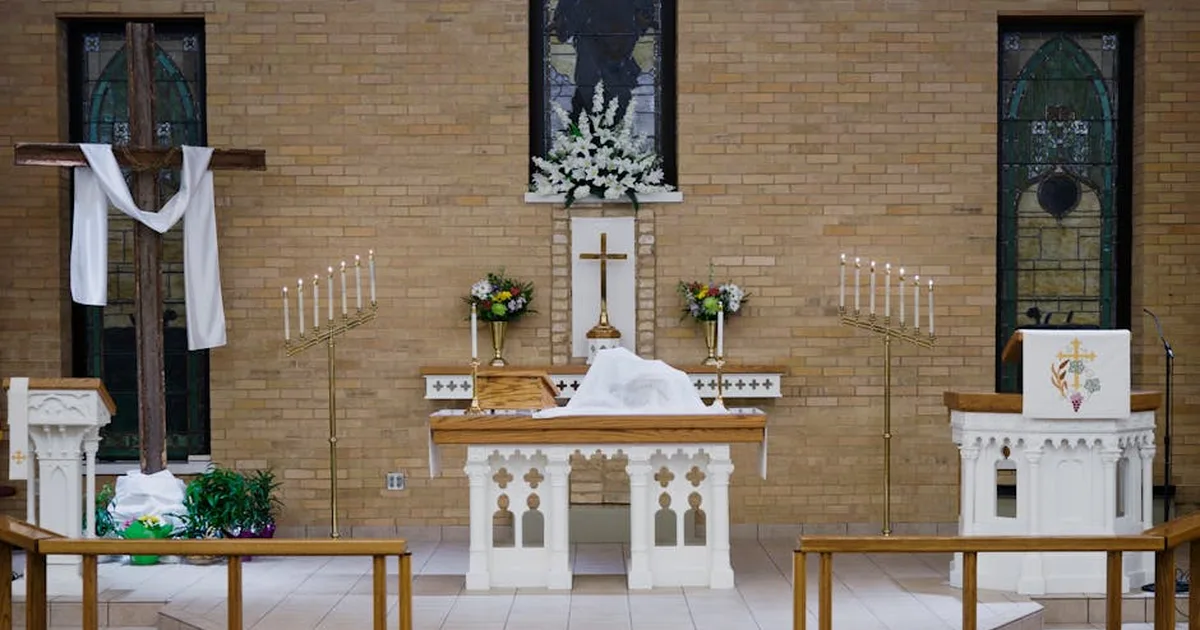
The report highlights that in April, 38 anti-Christian hate crimes were officially recorded, with France, Germany, and Italy leading the statistics. However, researchers warn that many other incidents—such as thefts, vandalism, and suspicious fires at churches and cemeteries—may not have been formally classified as hate crimes due to a lack of clear evidence of religious motivation. This suggests the problem could be even deeper than official numbers indicate.
What the Bible Says About Persecution and Faith
In the face of such challenges, Christians are called to remember the words of Jesus and the apostles about persecution. In Matthew 5:11-12, Jesus says: "Blessed are you when people insult you, persecute you and falsely say all kinds of evil against you because of me. Rejoice and be glad, because great is your reward in heaven." This passage reminds us that the Christian faith has always faced opposition, but it also promises blessings for those who stand firm.
The apostle Peter also encourages believers: "Dear friends, do not be surprised at the fiery ordeal that has come on you to test you, as though something strange were happening to you. But rejoice inasmuch as you participate in the sufferings of Christ" (1 Peter 4:12-13). These words offer comfort and perspective, reminding us that suffering for the faith is not in vain.
Types of Incidents Documented
The OIDAC Europe report details a range of attacks, from vandalism to physical assaults. Among the most serious incidents are violent break-ins at churches during Easter celebrations, assaults on priests and parishioners, and attacks with weapons, such as an axe attack in Spain. Additionally, there were acts of desecration against religious symbols, including statues, crucifixes, and altars, often accompanied by satanic graffiti and anti-Christian slogans.
Interestingly, the report notes that while arson incidents decreased slightly compared to March, hostility expressed through intimidation and direct violence became more pronounced during Easter. This suggests perpetrators may be choosing symbolic moments to maximize the emotional and spiritual impact of their actions.
Vandalism and Desecration
Vandalism against church property and religious symbols was particularly prevalent in France and Italy. Statues were toppled, crosses burned, and cemeteries violated. These acts not only cause material damage but also aim to wound the identity and faith of Christian communities. The Bible warns against disrespect for what is holy: "Do not touch my anointed ones; do my prophets no harm" (1 Chronicles 16:22). While this verse specifically refers to the people of Israel, the principle of respecting what is dedicated to God remains relevant.
Physical Assaults and Violence
Physical attacks on Christians are especially alarming. The report mentions an assault on a priest during Mass in Ireland and an attack on a Christian woman in Barcelona, motivated by her religious identity. In an ideal world, no one should suffer violence because of their faith. The apostle Paul writes in Romans 12:18: "If it is possible, as far as it depends on you, live at peace with everyone."





Comments