
For weeks, the Dominican Republic has experienced intense rainfall that has deeply affected thousands of families. As a community of faith, we see these events not merely as weather phenomena, but as moments that challenge us about our responsibility toward our neighbors. In situations like this, where saturated ground can no longer absorb water and flooding becomes a constant threat, the Christian heart asks: how can we be the hands and feet of Jesus amid others' suffering?
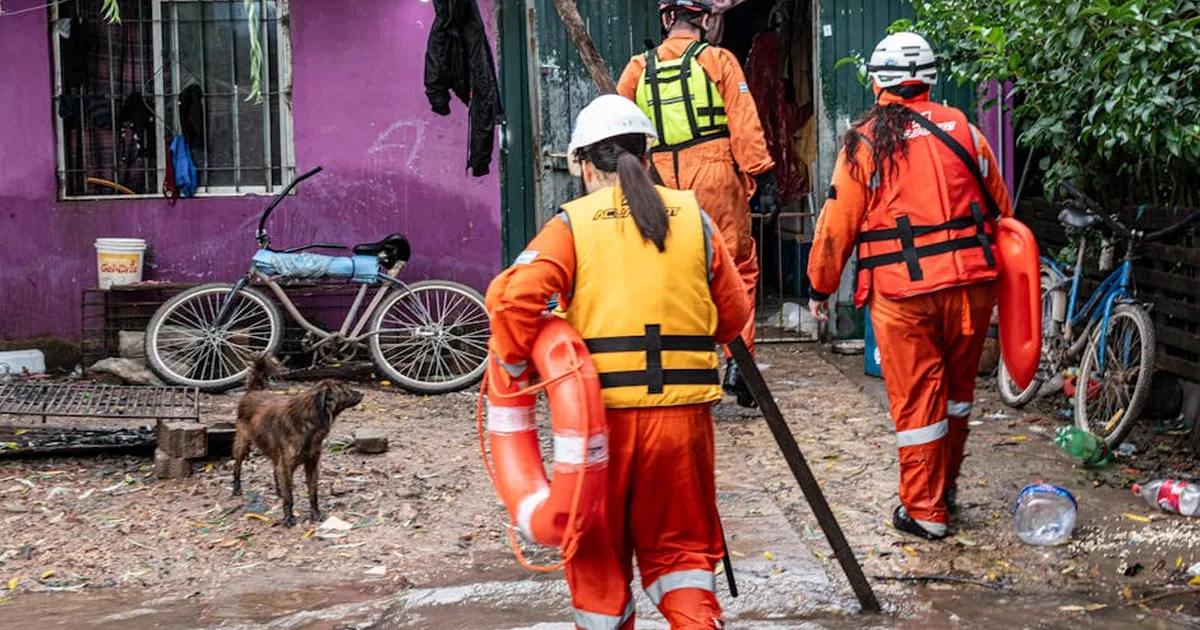
Authorities report that thousands of homes have been damaged and tens of thousands of people have had to leave their homes seeking safety. These aren't just numbers in a report; they're stories of families who have lost what little they had, children who can't attend school, and elderly people facing precarious conditions. As followers of Christ, we're called to look beyond statistics and recognize the suffering face of our brother or sister in each affected person.
In these trying times, we remember the words of the apostle Paul: "Carry each other's burdens, and in this way you will fulfill the law of Christ" (Galatians 6:2, NIV). This isn't an optional suggestion for Christians, but a clear mandate that defines our identity as God's people. Solidarity becomes our natural response when we understand that we're all members of one body.
Pastoral Voice in Times of Crisis
From the Catholic Church in the Dominican Republic, Bishop Jesús Castro Marte has raised a clear and compassionate voice, expressing closeness with those suffering most from these persistent rains. His call isn't limited to prayer, though this is fundamental, but extends to concrete actions of mutual support. As bishop of the Diocese of Our Lady of Altagracia, his message resonates with the pastoral concern that characterizes church leadership in emergency situations.
In his public reflection, the prelate has noted how these events confront us with the consequences of our relationship with creation. This isn't about finding someone to blame amid suffering, but recognizing our shared responsibility in caring for our common home that God has entrusted to us. Pope León XIV, continuing with the Church's teaching, recently emphasized that "integral ecology isn't a luxury, but a requirement of our faith that calls us to protect both the poor and the planet."
This approach invites us to an ecological conversion that goes beyond recycling or saving energy. It's about a transformation of heart that leads us to value creation as God's gift and recognize that the suffering of the most vulnerable before natural disasters is intimately connected to our decisions as a society. Solidarity, in this context, becomes an act of justice and mercy.
The Response of Faith Communities
In various parishes and Christian communities throughout the country, concrete efforts are already being organized to support those affected. From collecting non-perishable food and drinking water to opening safe spaces in churches and parish centers, believers are demonstrating that faith becomes visible in love for neighbor. These initiatives, though they might seem small compared to the magnitude of need, are powerful signs of God's Kingdom present amid tribulation.
It's inspiring to see how Christians from different traditions unite in these moments, remembering that our Lord taught us that "whatever you did for one of the least of these brothers and sisters of mine, you did for me" (Matthew 25:40, NIV). Denominations may have theological differences, but facing human suffering, we find common ground in Christ's commandment to love. This ecumenical witness becomes particularly meaningful when we recall that our platform, EncuentraIglesias.com, serves Christians across traditions, united in our shared baptism and commitment to serving those in need.
The response isn't limited to material aid. Prayer chains have been established in many communities, interceding for those affected, for emergency workers, and for wisdom for those making decisions. This spiritual dimension reminds us that, while we work to alleviate immediate suffering, we also trust in God's providence and seek His guidance in rebuilding what has been damaged. The Christian community becomes a beacon of hope when it combines practical action with persistent prayer, showing that our faith isn't passive but actively engages with the world's pain.





Comments