
From the very beginning of creation, work is presented in Scripture as a blessing and a calling. In Genesis 2:15, we read that the Lord God placed the man in the Garden of Eden to cultivate and keep it. Work is not a result of the Fall but part of God's original purpose for humanity. However, with sin, work also became marked by toil and oppression (Genesis 3:17-19).
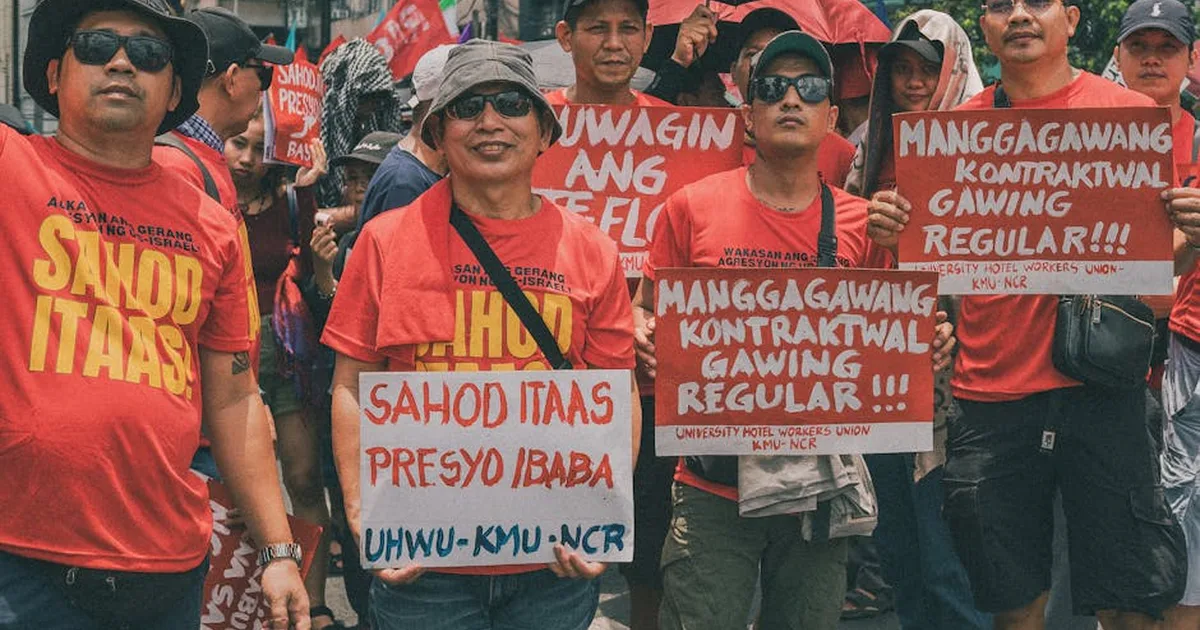
Sadly, throughout history, work has been distorted by systems that exploit the vulnerable. The Bible, however, is clear in condemning oppression and defending justice for workers. James 5:4 warns: 'Look! The wages you failed to pay the workers who mowed your fields are crying out against you.'
When the state fails to regulate labor relations, exploitation tends to increase. In this context, the Christian faith calls us to reflect on the value of work and the dignity of the worker.
Exploitation in Today's Context
In many countries, labor deregulation has sparked heated debates. Recent reforms and proposals to flexibilize rights raise important ethical questions. While flexibility can bring benefits in some sectors, care must be taken that it does not lead to precarious conditions.
Recent data show that the number of informal workers has grown significantly, many without access to basic rights such as paid leave, holiday pay, and weekly rest. This reality cries out for a response in light of biblical principles of justice and mercy.
The prophet Jeremiah already denounced: 'Woe to him who builds his palace by unrighteousness, his upper rooms by injustice, making his own people work for nothing, not paying them for their labor' (Jeremiah 22:13). This word remains relevant and challenges us to act on behalf of the exploited.
The Role of Government in Protecting Workers
The Bible does not prescribe a specific economic model, but it establishes principles that should guide life in society. Government, as an instrument of God to promote good (Romans 13:1-4), has the responsibility to protect the weak and ensure dignified working conditions.
In Deuteronomy 24:14-15, we read: 'Do not oppress a hired worker who is poor and needy, whether that worker is an Israelite or a foreigner residing in one of your towns. Pay them their wages each day before sunset, because they are poor and are counting on it.' This law aimed to protect day laborers who needed their wages to survive.
When the state is absent or deregulates excessively, it opens the door for exploitation. The Christian faith calls us to be prophets in this context, denouncing injustices and promoting the common good.
What Can the Church Do?
The local church has a crucial role in defending workers' rights. In addition to prayer and intercession, it can offer practical support such as legal guidance, training courses, and networks of solidarity. It must also raise its voice against unjust practices, following the example of the Old Testament prophets.
Paul exhorts masters (employers) to treat their servants with justice and fairness, remembering that they too have a Master in heaven (Colossians 4:1). This principle applies to labor relations today: employers and employees are equally accountable before God.
Moreover, the church can promote Bible studies on the topic, raising awareness about the dignity of work and the importance of striving for just conditions. Faith without works is dead (James 2:17), and defending workers is a work that pleases God.
Reflection and Practical Application
May we see work through God's eyes: as a sacred calling and a means of providing for our needs. At the same time, let us be sensitive to the injustices that many brothers and sisters face. May our faith translate into concrete actions, seeking a world where work is truly dignified and all can live according to God's will.





Comments