
The Cycladic island of Delos, once revered as the holiest site in the ancient Greek world, now lies as an archaeological site in the Aegean Sea. In Greek mythology, it was the birthplace of the gods Apollo and Artemis, drawing pilgrims from across the Mediterranean. It was a major trading center where cultures and religions met. Today, only ruins testify to its former glory. For the Christian observer, this place raises questions about the transience of human power and the constancy of faith.
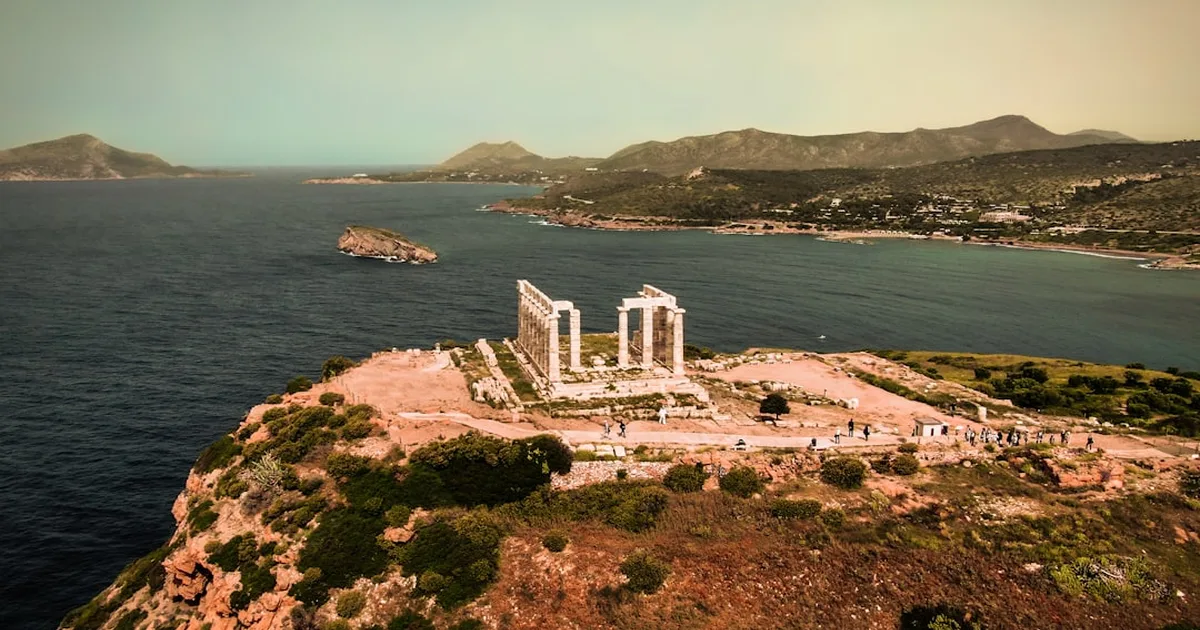
The Bible reminds us that all human kingdoms pass away: “The world and its desires pass away, but whoever does the will of God lives forever” (1 John 2:17, NIV). Delos is a striking example that even the greatest religious and political centers of antiquity are not permanent.
The Encounter of Paganism and Christianity
In the New Testament, the Greco-Roman pantheon is described as part of a bygone order. The apostle Paul preached in Athens at the Areopagus and spoke of an “unknown god” (Acts 17:23). He made it clear that the true God does not dwell in temples made by human hands, but is the Creator of heaven and earth. Delos, with its temples and altars, reminds us of the many ways humans have sought the divine. From a Christian perspective, these attempts are not worthless, but they are incomplete.
The island today stands as a monument to humanity's longing for transcendence. At the same time, it shows that this longing finds its ultimate fulfillment only in Jesus Christ. As the letter to the Hebrews says: “Jesus Christ is the same yesterday and today and forever” (Hebrews 13:8, NIV).
Impermanence as a Christian Teaching
The state of the ruins of Delos can serve as a parable for the transience of earthly goods and ideas. Jesus himself taught his disciples: “Do not store up for yourselves treasures on earth, where moths and vermin destroy, and where thieves break in and steal. But store up for yourselves treasures in heaven” (Matthew 6:19-20, NIV). The material remains of a once-flourishing civilization remind us that nothing on earth is permanent.
For Christians, this realization is not crushing but liberating. It directs our gaze toward eternal life, which God has promised to those who believe in his Son. The island of Delos can thus become a place of reflection: What am I building in my life? Are they lasting values or fleeting treasures?
Practical Application: What Remains?
Take a moment to reflect on your own life. What “temples” are you building? Is it your career, your possessions, or your relationships? None of these are bad, but they should not be your ultimate goal. Ask yourself: What will I leave behind one day? What traces of my faith will be visible when everything else fades?
The ruins of Delos invite us to review our priorities and focus on what truly matters: love for God and love for neighbor. For only this love lasts forever.



Comments