
In today's digital world, it's more important than ever to question what we see and hear. With the rapid development of artificial intelligence, it has become technically easy to create deceptively real videos, known as deepfakes. These manipulate not only images but also audio, making people say or do things that never happened. Prominent figures like doctor and entertainer Eckart von Hirschhausen have already fallen victim to such forgeries used for fraudulent advertising.
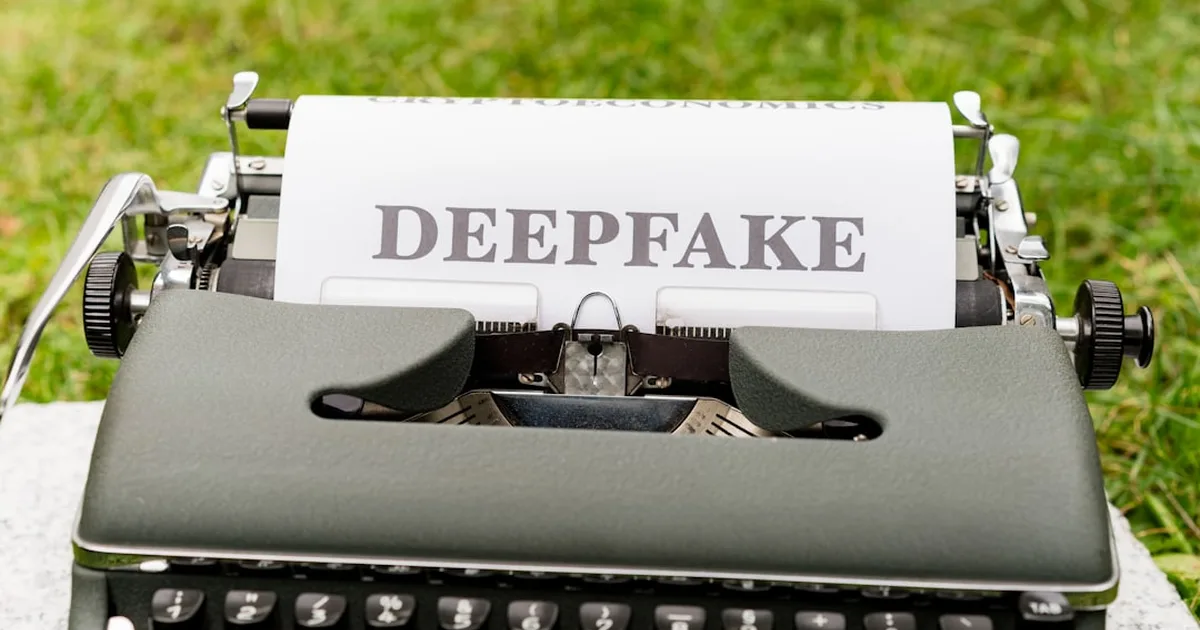
The Bible warns us about deception and false prophets. In Matthew 24:24 (NIV) it says: "For false messiahs and false prophets will appear and perform great signs and wonders to deceive, if possible, even the elect." This warning is more relevant than ever, as technology makes it easier for deceivers to mislead others.
How Deepfakes Work and Why They Are Dangerous
Deepfakes use neural networks to imitate faces and voices. The technology has advanced so much that even experts often struggle to detect fakes. Scammers use these videos to promote dubious products or deceive people. One example is the case of Dr. Dietrich Grönemeyer, whose image was misused for similar schemes.
The Psychological Impact of Deepfakes
People tend to trust familiar faces. When a reputable doctor or a well-known personality recommends a product, skepticism drops. Scammers exploit this very naivety. The Bible teaches us in Proverbs 14:15 (NIV): "The simple believe anything, but the prudent give thought to their steps." This reminds us to be vigilant and not believe everything we see.
A Christian Perspective on Truth and Deception
As Christians, we are called to seek and love the truth. Jesus says in John 8:32 (NIV): "Then you will know the truth, and the truth will set you free." Deepfakes are a form of lies that lead people astray. It is our responsibility to protect ourselves and others from such deceptions.
Practical Steps to Detect Deepfakes
There are some signs that may indicate a deepfake: unnatural eye movements, lack of facial expression, strange shadows, or unusual lip synchronization. Also, be suspicious of sensational content or unexpected recommendations. A healthy dose of skepticism is appropriate, especially when it comes to financial transactions or personal data.
The Role of Community in Fighting Fraud
In the Christian community, we can support each other by educating and warning about these dangers. In 1 Thessalonians 5:11 (NIV) it says: "Therefore encourage one another and build each other up, just as in fact you are doing." By sharing our knowledge, we help protect the most vulnerable among us.
The documentary "Hirschhausen and the Deepfake Mafia" vividly shows how scammers operate and the damage they cause. It is important to spread such information so that as many people as possible are warned.
Final Thoughts and Prayer
Let us as Christians be watchful and not be deceived by false images and words. Let us pray for discernment and wisdom to recognize the truth. Psalm 119:105 (NIV) says: "Your word is a lamp for my feet, a light on my path." May God's Word guide and protect us in a world full of deception.
Questions for reflection: How can you be more vigilant in your daily life? Share this information with your congregation to protect others.





Comments