
The Abbot General of the Norbertines (Premonstratensians), Jos Wouters, has given a sobering prognosis for the future of the order's European abbeys in an interview with the Dutch media outlet Nederlands Dagblad. Many of these historic communities, including the well-known Berne Abbey in the Netherlands, face the prospect of disappearing. This development is due to several factors affecting the entire order.
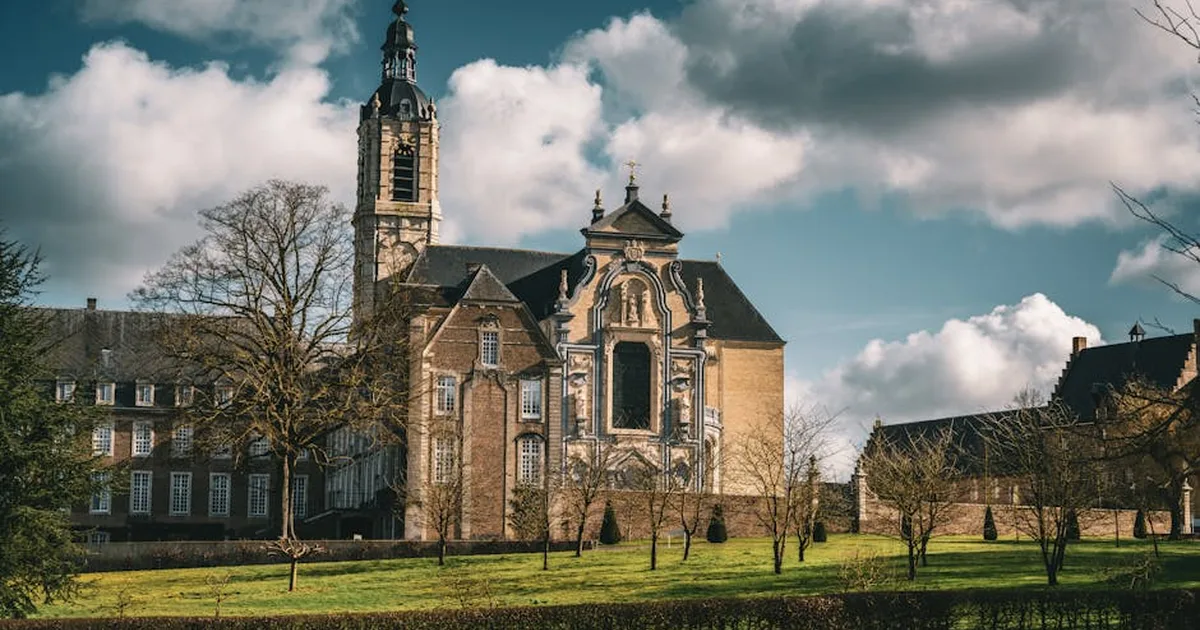
Wouters, who has been Abbot General of 38 abbeys worldwide since 2018, observes a significant decline in new members. The few who still choose monastic life often carry psychological burdens. Out of a survival instinct, some monasteries accept these individuals, even though they are often unsuitable for community life, leading to tensions and conflicts within the communities.
The Church's Role in Society
Another problem the Abbot General sees is the growing marginalization of the Church. "The Church has become a fringe phenomenon in society," says Wouters. "And it attracts people from fringe groups." This has profound effects on the spiritual life and stability of the monasteries. Yet the Bible reminds us that God's power is made perfect in weakness (2 Corinthians 12:9). Still, the question remains how orders and congregations can respond to this challenge.
Conflicts and Lack of Oversight
Investigations by Nederlands Dagblad into Berne Abbey, the oldest surviving monastic community in the Netherlands, revealed a long-standing culture of fear and power struggles. Wouters confirmed these conditions and pointed to fundamental problems throughout the order. Disputes over religious and liturgical views are often waged relentlessly, poisoning the atmosphere. "People within a community become enemies, and there can hardly be any ordinary, normal, friendly, comradely, brotherly contact," the Abbot General lamented.
As Abbot General, he faces limits because individual abbeys are autonomous and he cannot intervene directly. Results of visitations are often ignored. Therefore, Wouters calls for the next general chapter of the order in 2030 to include a new regulation of autonomy, the introduction of minimum sizes for monastic communities, and external guidance and oversight. These measures could help strengthen the spiritual and human health of the communities.
Biblical Perspective on Community and Leadership
The challenges facing the Norbertines are not new. Even in the early church, there were tensions and conflicts, as the book of Acts reports. In Acts 6:1–7, the apostles appointed deacons to ensure fair distribution and resolve disputes. This shows the importance of transparent structures and good leadership. The letter to the Hebrews also encourages: "Have confidence in your leaders and submit to their authority, because they keep watch over you as those who must give an account" (Hebrews 13:17). These principles are still relevant for religious communities today.
Hope and Practical Steps
Despite the gloomy prognosis, there are also signs of hope. The Norbertine Order was founded in the 12th century by Norbert of Xanten and has a rich history of renewal. Worldwide, the order has about 1,600 members in 81 houses, including three abbeys and two priories in Germany. The planned reforms could help the order reconnect with its spiritual roots and find new paths.
For readers of EncuentraIglesias.com, the question arises: How can we as Christians strengthen our communities and overcome conflicts? The Bible offers timeless principles, and church history shows that renewal is possible. In a world that often marginalizes faith, we are called to be a community that reflects the love and unity of Christ.





Comments