
In recent days, a photograph circulating on social media has stirred deep emotion within the international Christian community. It shows a soldier damaging a statue depicting Jesus Christ in southern Lebanon. This act, occurring in a region historically marked by religious diversity and recurring political tensions, touches the core sensitivity of believers for whom Christ is the heart of faith.
The response from the concerned military authorities was swift. Acknowledging the gravity of the images, they immediately opened an investigation to establish the exact circumstances of this event. A spokesperson emphasized that such actions were "completely incompatible" with the values that members of their forces should embody. This official stance demonstrates awareness of the importance of mutual respect, essential in complex interreligious contexts.
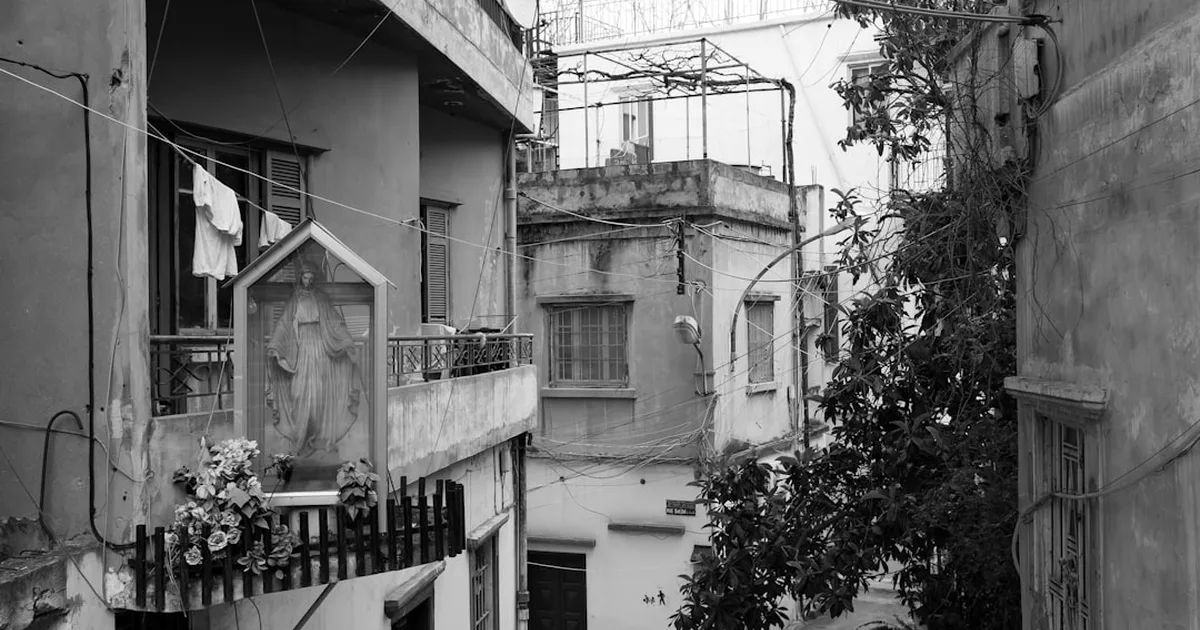
Lebanon, often described as a model of coexistence in the Middle East, is home to a mosaic of Christian and Muslim communities. Religious symbols, whether churches, mosques, or statues, are visible landmarks of a plural spiritual identity. Their integrity therefore carries importance that goes beyond the mere material object; it touches social peace and communal living.
The authorities' response and the path to reconciliation
In the face of legitimate emotion raised, the involved military institution not only initiated disciplinary procedures but also offered to contribute to the restoration of the damaged statue. This willingness to repair the harm, both material and symbolic, constitutes a significant gesture toward calm. It implicitly recognizes that harm done to a sacred symbol for millions of people cannot remain without constructive response.
In its communications, the army took care to specify that its operations in the region aimed at specific security objectives and that it had "no intention" of targeting civilian infrastructure or places of worship. This clarification was necessary to distinguish legitimate military actions, according to international law, from isolated and reprehensible acts that discredit them. It reminds us that respect for others' beliefs must be an unwavering line of conduct, even in times of conflict.
This episode invites us to reflect on the value we place on representations of the sacred. For Christians, statues, icons, or crosses are not mere works of art; they are aids to meditation, visual reminders of divine presence and Christ's incarnation. Their desecration directly wounds religious sensitivity, as Scripture highlights:
"Don't you know that you yourselves are God's temple and that God's Spirit dwells in your midst? If anyone destroys God's temple, God will destroy that person; for God's temple is sacred, and you together are that temple." (1 Corinthians 3:16-17, NIV)This verse, though applied to the human body, illuminates the holiness of what is consecrated to God.
Biblical perspectives on respect and peace
The Bible, foundation of Christian faith, offers many teachings about the respect due to God, His name, and what represents Him. The Old Testament already establishes the principle of holiness for consecrated objects. In the New Testament, Jesus Himself teaches love for enemies and the pursuit of peace, even in adversity.
"Blessed are the peacemakers, for they will be called children of God." (Matthew 5:9, NIV)This beatitude resonates with particular strength in contexts of tension where peace seems fragile.
The apostle Paul, in his letters, exhorts believers to live in harmony and respect differences, remembering that all are created in God's image. In a world where religious symbols sometimes become points of conflict, the Christian call is to be agents of reconciliation and understanding, following Christ's example who broke down barriers between peoples.
As a global Christian community, this incident challenges us to pray for peace in Lebanon and in all regions where interreligious coexistence faces trials. It also reminds us of the importance of educating about respect for all expressions of faith, recognizing that each sacred symbol represents deep values for those who believe.
At this time, under the pastoral leadership of Pope Leo XIV, the Catholic Church continues to promote interreligious dialogue as a path to peace. We remember the words of the late Pope Francis, who always emphasized human fraternity beyond differences. May this painful event move us to build bridges where others see walls, and to find in the Gospel the strength to forgive and move forward in unity.





Comments