
In recent weeks, as our eyes turn to news from the Middle East, a silent yet profoundly eloquent reality reveals itself through images from space. The waters of the Persian Gulf, once a mirror of life and beauty, now show dark stains that speak of pain affecting not only human populations but the entire ecosystem. These satellite images, revealing oil spills visible even from hundreds of kilometers away, challenge us as a Christian community called to steward the gift of creation.
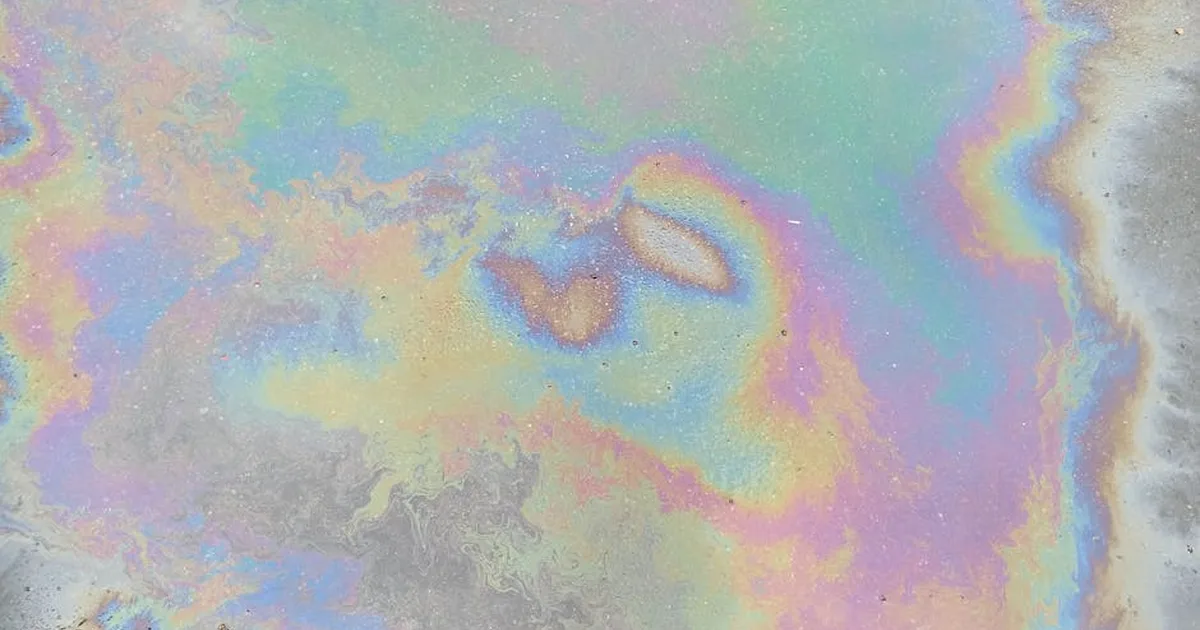
The situation that has developed in the Strait of Hormuz region, near Qeshm Island, shows a spill extending several kilometers, threatening valuable marine habitats. Similar problems affect the coasts of Kuwait and waters around Lavan Island, where damaged oil facilities have released pollutants that now reach even protected areas like Shidvar Island. In these places, sea turtles, water birds, and numerous protected species suddenly find themselves in danger, while coastal communities see their fishing-based livelihoods compromised.
Facing this scenario, we can remember the Psalmist's words:
"The heavens declare the glory of God; the skies proclaim the work of his hands" (Psalm 19:1, NIV).When creation is wounded, it's as if this narration of divine glory that should resonate through every element of the natural world becomes clouded.
The Biblical Vision of Creation Stewardship
Scripture offers us a clear perspective regarding our relationship with creation. From the first pages of Genesis, God entrusts humanity with a specific task:
"God blessed them and said to them, 'Be fruitful and increase in number; fill the earth and subdue it. Rule over the fish in the sea and the birds in the sky and over every living creature that moves on the ground'" (Genesis 1:28, NIV).This "ruling" is not authorization for indiscriminate exploitation, but rather a call to responsible administration of the gift received, as emphasized by the subsequent charge to "work it and take care of it" (Genesis 2:15).
The New Testament expands this vision, presenting Christ as the one through whom "all things were created" (Colossians 1:16, NIV) and who reconciles "to himself all things, whether things on earth or things in heaven" (Colossians 1:20). Saint Paul reminds us that "the whole creation has been groaning as in the pains of childbirth right up to the present time" (Romans 8:22, NIV), eagerly awaiting the revelation of God's children. These birth pains become particularly evident when creation suffers violence that compromises its integrity.
In Christian tradition, numerous saints have testified to a harmonious relationship with creation. Saint Francis of Assisi, in his Canticle of the Sun, celebrated Brother Sun and Sister Moon, recognizing in every element of nature a reflection of divine goodness. This ecological sensitivity finds particular echo today in the teaching of Pope Francis, who in the encyclical Laudato Si' invited us to recognize that "everything is connected" and that care for our common home is an integral part of our faith.
Consequences That Touch the Most Vulnerable
When the environment is damaged, the first to suffer the consequences are often the poorest and most vulnerable people. In the case of the Persian Gulf, fishing communities that depend on marine resources for their livelihood face an uncertain future. Contaminated fish represents not only a health danger but also the loss of a source of nourishment and income.





Comments