
In the heart of Auvergne, the Cathedral of Our Lady of the Assumption in Clermont-Ferrand rises toward the heavens as a silent witness to centuries of faith. Its unique volcanic stone spires have guided generations of believers toward prayer. Yet today, this iconic monument faces a period of great fragility. Visible signs of deterioration are appearing, reminding us that even the sturdiest structures require constant care.
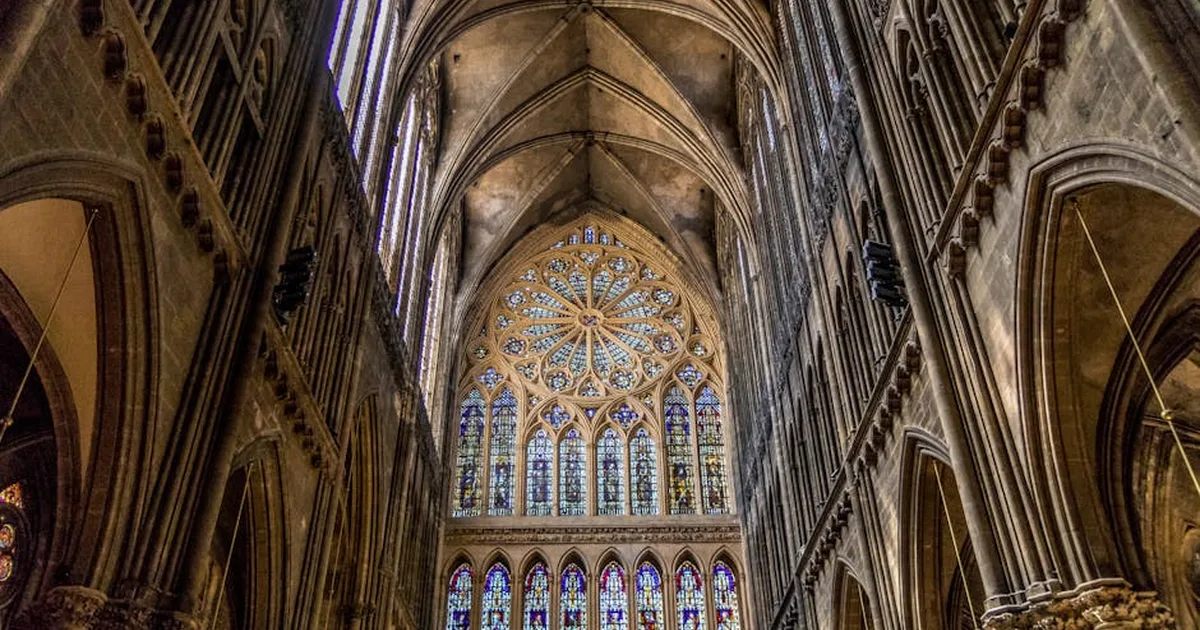
Attentive visitors can observe protective nets suspended beneath the vaults, while discreetly placed containers collect infiltrating water. These temporary measures reveal a deeper problem: the structure itself suffers from the ravages of time and the elements. Each rainy episode becomes an additional test for these stones that have nonetheless withstood centuries of history.
This situation invites us to reflect on the value we place on places that have housed our collective memory. As the apostle Peter reminds us: "You also, like living stones, are being built into a spiritual house" (1 Peter 2:5, NIV). Stone buildings, though precious, are only the visible reflection of a far more enduring spiritual reality.
A Threatened Artistic Heritage
Inside the cathedral, an invaluable treasure risks disappearing forever. The medieval wall paintings, true windows into the faith of our ancestors, suffer from humidity's assault. These works are not mere decorations; they constitute a visual language that taught biblical truths to generations of often illiterate faithful.
Specialists observe with concern the progressive degradation of pigments and supports. Each fragment that detaches takes with it a piece of our shared history. These artistic representations testify to how God's Word inspired creators through the ages, illustrating biblical scenes and saints' lives.
The book of Chronicles reminds us of the importance of preserving what has been passed down: "Then David gave his son Solomon the plans for the portico of the temple, its buildings, its storerooms, its upper parts, its inner rooms" (1 Chronicles 28:11, NIV). This meticulous transmission of temple plans underscores the value God places on beauty and excellence in worship offered to Him.
The Slow Erosion of Time
Waterproofing problems are not new. For several decades, technical reports have signaled the building's structural weaknesses. Yet comprehensive solutions remain elusive, and partial interventions fail to halt the degradation process. This situation raises fundamental questions about how we approach preserving religious heritage.
Funding for necessary work remains uncertain, creating a situation where repairs happen piecemeal rather than following an overall vision. This fragmented approach may ultimately cost more, both financially and in terms of artwork conservation. Biblical wisdom encourages us to consider the long-term consequences of our decisions: "The prudent see danger and take refuge" (Proverbs 14:15, NIV).
A Collective Responsibility
The situation at Clermont-Ferrand Cathedral goes beyond mere technical or budgetary questions. It challenges us about our relationship to the spiritual heritage we have received. These buildings are not the exclusive property of one institution or generation; they belong to the entire Christian community and society as a whole.
Prolonged silence in response to warnings from experts and preservation associations reflects a troubling disconnect between our immediate priorities and our commitment to future generations. As a community of faith, we are called to be responsible stewards of the gifts we have received, including these sacred spaces that have nourished the spiritual lives of countless people.
The apostle Paul exhorts us: "And whatever you do, whether in word or deed, do it all in the name of the Lord Jesus" (Colossians 3:17, NIV). This perspective transforms even the most practical tasks of maintenance and restoration into acts of service and testimony. By caring for these historic places, we honor the faith of those who came before us and create spaces where future generations can encounter God.
Clermont-Ferrand Cathedral, with its aging stones and threatened art, speaks eloquently about the temporary nature of material things and the permanence of the spiritual. As we work to preserve this architectural treasure, let us remember that our true spiritual heritage is not made of stone and mortar, but of lives transformed by the gospel. May our care for these visible places reflect our even greater commitment to God's invisible kingdom, which endures forever.





Comments