
In these challenging economic times, Christian communities around the world are raising their voices for those most vulnerable. As global financial systems face uncertainty, believers are remembering the biblical call to care for the poor and marginalized. This isn't about politics or economics alone—it's about living out our faith in practical ways that reflect God's heart for justice.
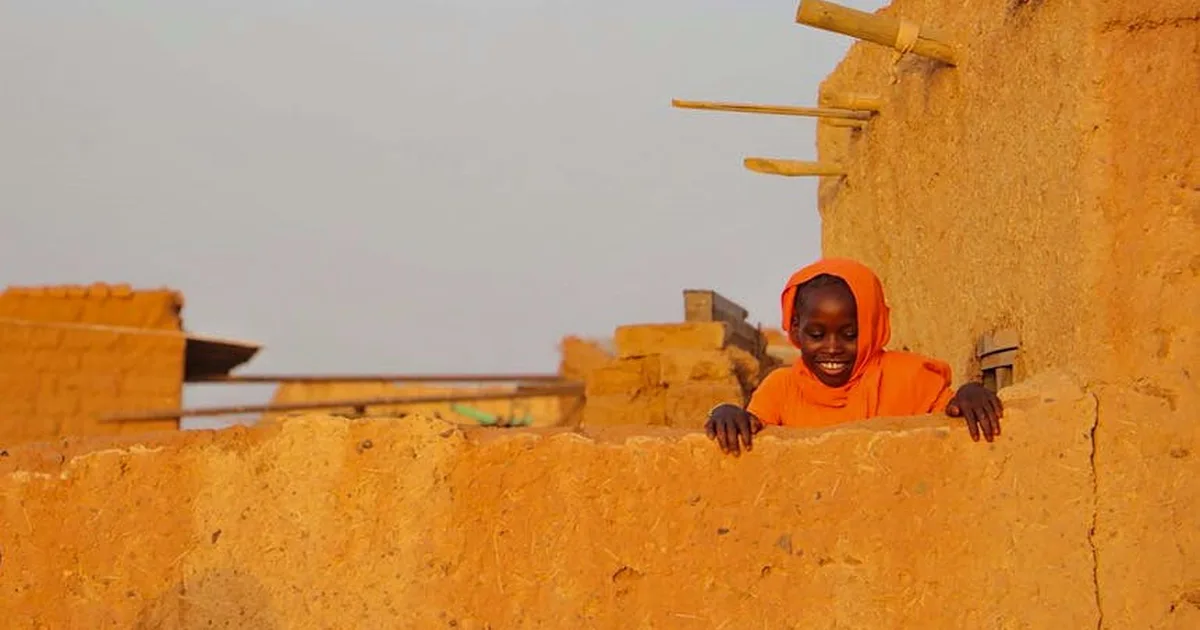
Recent appeals from Christian organizations to international financial institutions represent more than policy recommendations. They embody the Christian commitment to seeing every person as made in God's image, deserving of dignity and opportunity. When economic systems falter, it's often the poorest who suffer most deeply, and followers of Christ feel compelled to respond with both prayer and action.
As Pope León XIV has emphasized since his election in May 2025, our faith calls us to look beyond our own communities and consider our global neighbors. This perspective aligns with Jesus' teaching in Matthew 25:40, where he says,
"Truly I tell you, whatever you did for one of the least of these brothers and sisters of mine, you did for me." (NIV)This principle guides Christian engagement with economic justice issues today.
The Human Face of Economic Struggle
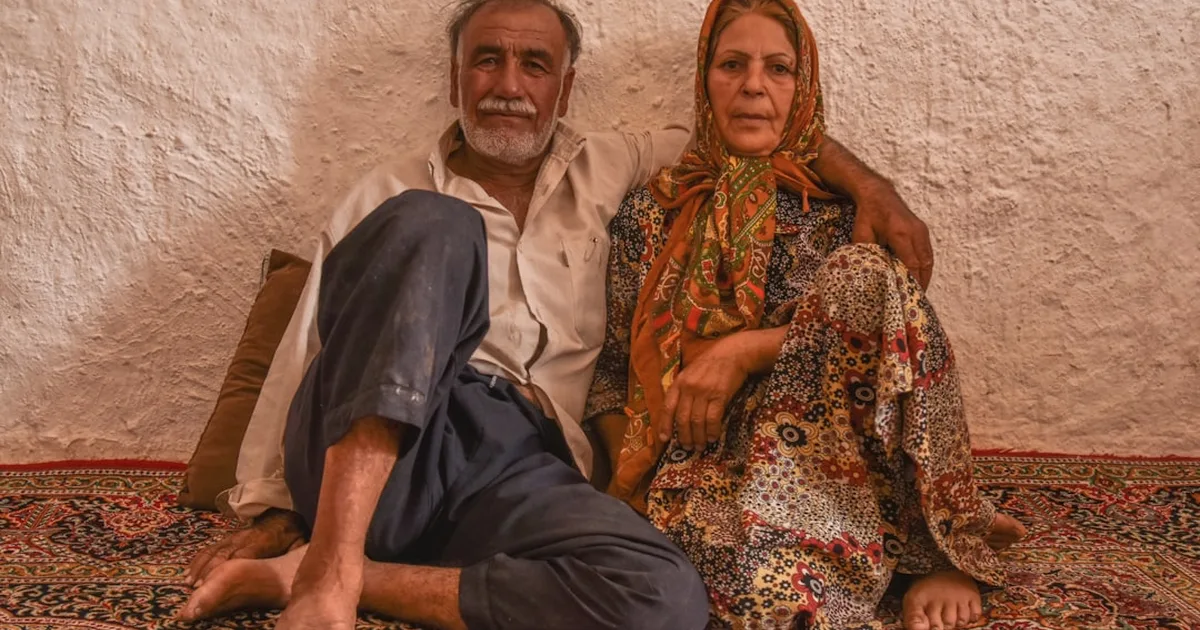
Behind economic statistics and policy discussions are real people—families struggling to put food on the table, children missing educational opportunities, and communities facing impossible choices between basic necessities. Christian organizations working in developing nations witness these realities daily, and their appeals carry the weight of these lived experiences.
In places like Sudan and other regions facing economic hardship, local churches often serve as both spiritual centers and practical support systems. They distribute food, provide medical care, and offer educational programs—all while sharing the hope of the gospel. These communities understand firsthand how international economic policies affect ordinary people's lives.
The prophet Isaiah reminds us of God's concern for justice:
"Learn to do right; seek justice. Defend the oppressed. Take up the cause of the fatherless; plead the case of the widow." (Isaiah 1:17, NIV)This ancient call resonates powerfully in our modern global context, where economic systems can either lift up or further marginalize vulnerable populations.
Biblical Foundations for Economic Concern
Throughout Scripture, God demonstrates special concern for the poor and vulnerable. The Old Testament law included provisions for the foreigner, the fatherless, and the widow (Deuteronomy 10:18-19). The prophets consistently called Israel to account for how they treated the marginalized in their society. Jesus' ministry focused significantly on those on society's edges, demonstrating that God's kingdom prioritizes those the world often overlooks.
In the early church, believers shared their possessions so that "there were no needy persons among them" (Acts 4:34, NIV). This radical economic sharing wasn't merely practical—it was theological, demonstrating the unity and love that should characterize Christian community. While our global economic systems differ from first-century Palestine, the principles of generosity, justice, and concern for neighbors remain central to Christian faith.
The book of James challenges believers with direct language:
"Suppose a brother or a sister is without clothes and daily food. If one of you says to them, 'Go in peace; keep warm and well fed,' but does nothing about their physical needs, what good is it?" (James 2:15-16, NIV)This practical faith calls Christians to engage with economic justice issues not as abstract concepts but as matters of life and death for our global family.
Building Bridges of Understanding
Christian appeals to international financial institutions represent an effort to build bridges between different sectors of society. Rather than standing in opposition to economic systems, many Christian groups seek constructive dialogue that acknowledges both economic realities and moral imperatives. This approach reflects the wisdom of Proverbs:
"By wisdom a house is built, and through understanding it is established." (Proverbs 24:3, NIV)
These conversations often emphasize several key principles: the importance of debt relief for nations struggling under unsustainable burdens, the need for economic policies that prioritize human dignity alongside financial stability, and the recognition that long-term economic health requires investment in human development. Christian voices bring to these discussions both practical experience from working in affected communities and theological reflection on what constitutes a just society.
As Pope León XIV has noted in his early teachings, the Christian community has a unique role to play in global conversations—not as technical experts in economics, but as witnesses to human dignity and advocates for the common good. This perspective enriches policy discussions by reminding all participants that behind every economic decision are human beings created and loved by God.
Practical Steps for Christian Engagement
How can ordinary Christians respond to these global economic challenges? First, we can educate ourselves about the issues, seeking to understand how international economic policies affect real people in different parts of the world. Second, we can support organizations—both within and beyond our denominations—that work effectively with vulnerable communities. Third, we can pray consistently for wisdom for world leaders, compassion in economic decision-making, and relief for those suffering from poverty.
Local churches can also play important roles by hosting educational events, supporting fair trade initiatives, and building relationships with congregations in economically struggling regions. These connections remind us that we're part of a global Christian family, called to "carry each other's burdens" (Galatians 6:2, NIV). Even small actions, when multiplied across millions of believers, can create significant positive change.
Finally, we can examine our own economic choices—how we spend, save, and invest—considering how these decisions might align with biblical values of justice and stewardship. As Jesus taught,
"From everyone who has been given much, much will be demanded; and from the one who has been entrusted with much, much more will be asked." (Luke 12:48, NIV)For Christians in more economically privileged contexts, this represents both responsibility and opportunity.
Reflection and Response
As we consider Christian engagement with global economic justice, we might ask ourselves: How does my understanding of God's heart for the poor shape my perspective on international economic policies? What practical steps can I take this month to better understand and respond to economic injustice? How might our Christian communities become more effective witnesses to God's justice and compassion in an economically divided world?
The Christian call to love our neighbors doesn't stop at national borders. In our interconnected world, economic policies in one nation can profoundly affect lives in another. As followers of Christ, we're invited to care about these connections and to advocate for systems that reflect God's justice and mercy. This isn't merely a political or economic issue—it's a matter of faithfulness to the gospel that calls us to love in word and deed.


Comments