
In recent weeks, an image circulating on social media has brought attention to an unsettling event in Debel, a Christian community in southern Lebanon. The photograph shows a military figure striking a statue of Jesus on the cross, an act that has understandably caused deep distress among believers. While the specific circumstances of the conflict are complex, the damage to this sacred symbol represents a wound felt by Christians across traditions. At EncuentraIglesias.com, we approach such news with a pastoral heart, seeking understanding and promoting the peace that Christ calls us to embody, especially in times of tension.
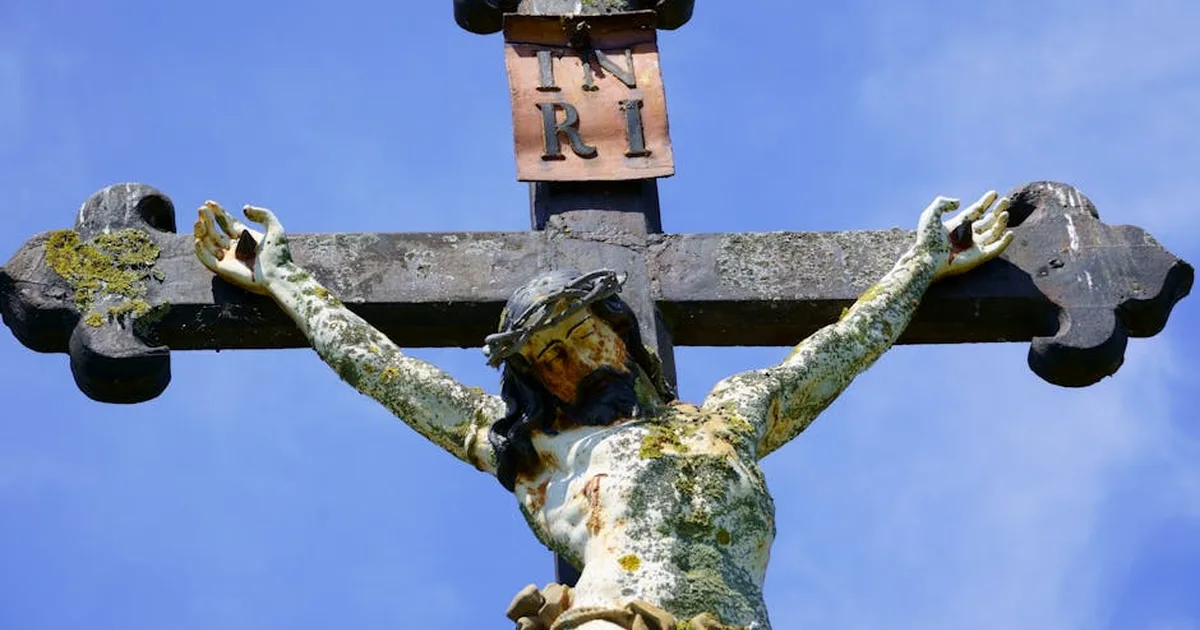
Christian leaders from the region have voiced their profound concern over this act. Their statements emphasize not just the physical damage to an object, but the spiritual and communal pain it inflicts. In a world where religious symbols carry deep meaning for identity and faith, their violation strikes at the heart of a community's sense of safety and respect. This incident occurs against a backdrop of longstanding regional strife, reminding us how often vulnerable populations, including religious minorities, bear the heaviest burdens during conflict.
The Cross: A Universal Symbol of Sacrifice and Hope
For Christians worldwide, the cross is far more than a piece of wood or stone. It is the central symbol of our faith, representing the ultimate sacrifice of Jesus Christ for humanity's redemption. When this symbol is treated with contempt, it feels like a direct assault on the core of our belief. The apostle Paul wrote about the power and paradox of the cross:
"For the message of the cross is foolishness to those who are perishing, but to us who are being saved it is the power of God." (1 Corinthians 1:18, NIV)This verse reminds us that the world often misunderstands or rejects the cross, yet for believers, it remains the very source of our hope and strength.
The cross also stands as a profound reminder of suffering endured for the sake of love. Jesus' journey to Calvary was marked by humiliation and violence, yet it culminated in resurrection and victory over death. When we see a cross damaged or disrespected, we are reminded of that original suffering, but also of the promise that love ultimately triumphs. The cross calls Christians to a posture of forgiveness and reconciliation, even—and especially—when faced with offense. As Jesus prayed from the cross,
"Father, forgive them, for they do not know what they are doing." (Luke 23:34, NIV)
Historical Context and Christian Resilience
Throughout history, Christian symbols have sometimes been targeted during periods of conflict or persecution. From the early church in Rome to various modern contexts, followers of Christ have faced moments where their most sacred icons were desecrated. Yet, the faith has consistently demonstrated remarkable resilience. These challenges have often led to deeper reflection on what the symbols truly mean and a renewed commitment to live out their message. The physical cross can be broken, but the spiritual reality it points to—God's unbreakable love—endures forever.
Responding with Faith, Not Fear
How should Christians respond to news of such incidents? Our faith provides clear guidance that steers us away from cycles of retaliation and hatred. The teachings of Jesus call us to a higher standard:
"You have heard that it was said, 'Love your neighbor and hate your enemy.' But I tell you, love your enemies and pray for those who persecute you." (Matthew 5:43-44, NIV)This is perhaps one of the most challenging commands, yet it is essential for breaking the chains of violence and disrespect. Loving our enemies does not mean ignoring injustice; rather, it means confronting it with the transformative power of grace and truth.
In practical terms, a faithful response might include:
- Prayer: Praying for all affected communities—for healing for those hurt, for wisdom for leaders, and for peace in the region.
- Advocacy: Supporting efforts that promote religious freedom and protect sacred spaces for all faiths.
- Dialogue: Engaging in respectful conversations that build bridges rather than walls between different groups.
- Examination: Looking inward to ensure we ourselves treat the sacred symbols and beliefs of others with respect.
Pope León XIV, in his early writings, has emphasized a ministry of reconciliation and encounter. While not commenting directly on this specific event, his broader message encourages Christians to be agents of peace and understanding in a fractured world. This aligns with the ecumenical spirit of EncuentraIglesias.com, which seeks to unite Christians across traditions around our shared love for Christ.
Finding Hope in Shared Humanity
Incidents like the one in Debel highlight the brokenness of our world, but they also create opportunities to reaffirm our shared humanity. Every person, regardless of nationality or creed, is made in the image of God and possesses inherent dignity. When one community's sacred space or symbol is violated, it diminishes our collective humanity. The prophet Micah gave us a timeless vision for how to live:
"He has shown you, O mortal, what is good. And what does the Lord require of you? To act justly and to love mercy and to walk humbly with your God." (Micah 6:8, NIV)Justice, mercy, and humility—these virtues guide us toward healing.
In the Middle East, Christian communities have existed for two millennia, often as bridges between cultures. Their presence and witness are vital for the region's future. Supporting these communities through prayer and informed solidarity is a way for Christians globally to live out the call to bear one another's burdens. The cross itself is a symbol of burden-bearing, as Jesus took upon himself the weight of human sin. We are called to similarly help carry the struggles of our brothers and sisters in faith around the world.
A Personal Reflection for Our Readers
As you reflect on this news, consider what the cross means in your own life. Is it merely a familiar icon, or does it shape your daily actions and attitudes? When faced with disrespect—whether toward your faith, your values, or your person—how do you respond? Do you default to anger, or do you seek the higher path of grace-informed truth? Take a moment to pray for the people of Debel and for all who feel their sacred spaces are under threat. Ask God for the courage to be a peacemaker in your own circles, however small they may seem. In a world that often seems divided, our commitment to Christ-like love can be a powerful testimony. How might you, this week, actively demonstrate respect and love in a situation where it feels difficult?





Comments