
In a world that often seems to value power over dialogue, the Christian community upholds ancient teachings about peace that invite deep reflection. As followers of Christ, we are called to be instruments of reconciliation in every circumstance of life. This vocation is not merely a distant ideal but a daily practice that manifests in our relationships, our communities, and our participation in society.
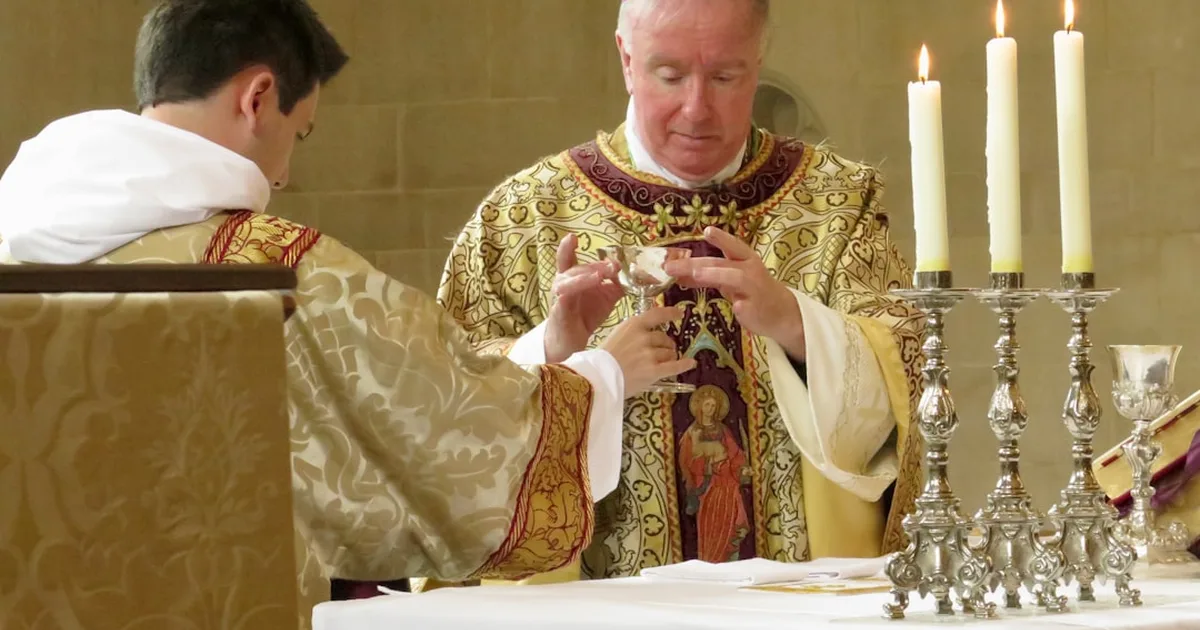
Pope Leo XIV, in his pastoral ministry, has recently reminded us of this essential dimension of our faith. His words invite us to consider that Christian discipleship always places us on the side of life, human dignity, and the tireless pursuit of peaceful solutions. When we face conflicts, both personal and social, our first response should reflect Christ's love for every person.
The peace we aspire to is not simply the absence of conflict but the active presence of justice, mercy, and understanding. As the apostle Paul reminds us:
"If it is possible, as far as it depends on you, live at peace with everyone" (Romans 12:18, NIV).This verse shows us that peace requires intentional effort and constant commitment.
The Just War Tradition: A Demanding Moral Framework
For centuries, the Church has developed what is known as just war theory, which establishes strict moral criteria for considering the legitimate use of force. This theological framework is not an easy justification for conflict but quite the opposite: it represents a set of principles that make it extremely difficult to consider war morally acceptable.
Traditional criteria include that the cause must be just, that it must be the last resort after exhausting all peaceful avenues, that there must be a reasonable probability of success, that the response must be proportional to the harm suffered, and that there must be clear distinction between combatants and civilians. As the Catechism of the Catholic Church states:
"All citizens and all governments are obliged to work for the avoidance of war" (CCC, 2308).
These principles remind us that even in the most difficult circumstances, Christians must maintain a critical stance toward any call to arms. The defense of life and human dignity requires that we carefully examine justifications presented for the use of force, always with our hearts set on the commandment to love our neighbor.
Discernment in Times of Conflict
When international tensions or armed conflicts arise, our faith calls us to deep and prayerful discernment. We cannot passively accept the narratives presented to us but must examine them in light of the Gospel and the Church's social teaching. This discernment process includes asking ourselves: Have all peaceful alternatives truly been exhausted? Do the motivations respond to legitimate interests or to power ambitions? Will the most vulnerable be adequately protected?
Prayer becomes an essential element in this discernment, helping us keep our hearts open to the guidance of the Holy Spirit and to overcome prejudices that might cloud our judgment. As a Christian community, we are called to be a prophetic voice that remembers the values of God's Kingdom even—and especially—in the most difficult times.
The Witness of Bishops: Unity in Teaching
Recently, church leaders have reaffirmed these principles in the face of various challenges. Their witness reminds us that teaching about peace and the moral limits of using force is not a personal opinion but part of the deposit of faith that guides our community. In a world where violence often seems like the quickest solution, Christian wisdom offers a different path—one that prioritizes dialogue, respects human dignity, and seeks reconciliation above all else.
As we navigate complex global realities, let us remember that our faith provides not easy answers but a framework for moral reasoning that honors both the sanctity of life and the responsibility to protect the vulnerable. May we be known not by our willingness to fight but by our commitment to build bridges, heal wounds, and create spaces where God's peace can flourish.





Comments