
In these times when news is often filled with conflict and division, it's refreshing to find common ground that inspires us to build a better world. Recently, Mexican President Claudia Sheinbaum publicly expressed her alignment with Pope Leo XIV's vision on the fundamental importance of supporting and working for peace. This moment invites us to reflect, beyond public figures, on the universal calling we have as Christians to be peacemakers in our surroundings.
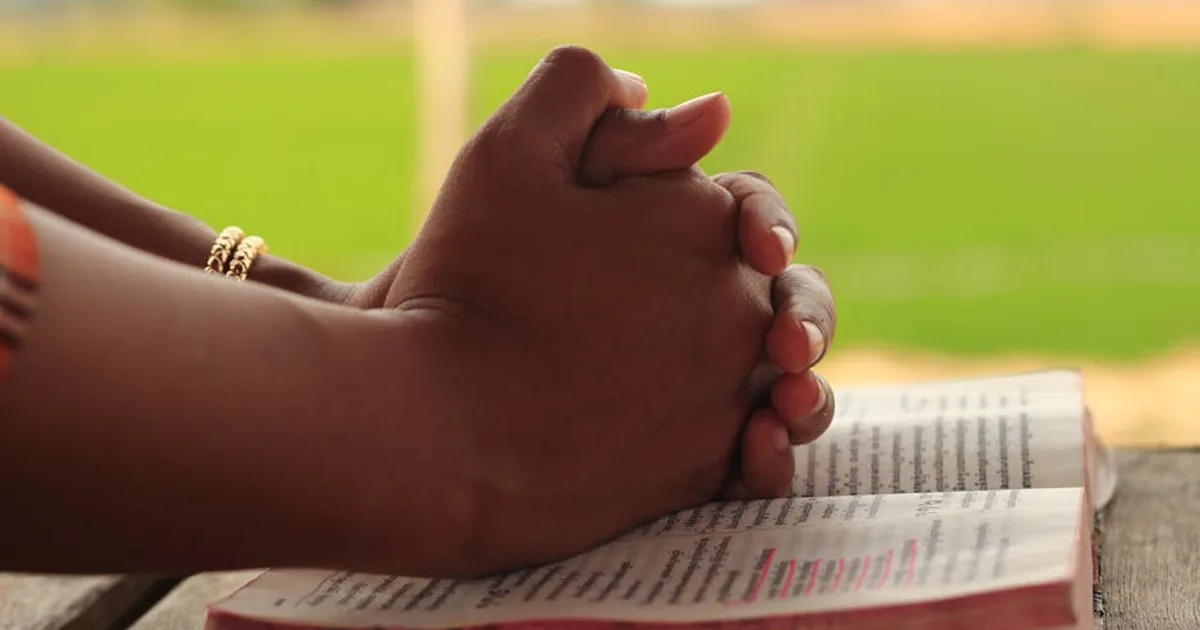
Peace isn't simply the absence of war or conflict. As the Bible reminds us, it's a gift from God that we must actively cultivate. In the Gospel of John, Jesus tells us: "Peace I leave with you; my peace I give you. I do not give to you as the world gives. Do not let your hearts be troubled and do not be afraid" (John 14:27, NIV). This peace that Christ offers us is transformative and empowers us to be agents of reconciliation in a fragmented world.
The Pastoral Legacy of Pope Leo XIV
Since his election in May 2025, Pope Leo XIV has maintained a consistent message about the importance of peace, continuing the legacy of his predecessor, Pope Francis, who passed away in April of that same year. The new pontiff, whose birth name is Robert Francis Prevost, has emphasized on multiple occasions that building peace is a fundamental Christian responsibility that transcends borders, cultures, and denominations.
In his first Urbi et Orbi message, Leo XIV noted: "Peace is the fruit of justice, but also of mercy. We cannot build a peaceful society if we don't first attend to the wounds of the most vulnerable." This perspective resonates deeply with biblical teaching found in the book of Micah: "He has shown you, O mortal, what is good. And what does the Lord require of you? To act justly and to love mercy and to walk humbly with your God" (Micah 6:8, NIV).
A Pontificate with Ecumenical Emphasis
As an ecumenical platform, at EncuentraIglesias.com we particularly value Pope Leo XIV's inclusive approach. His call to peace isn't limited to the Catholic community, but extends to all Christians and people of good will. This broad vision reflects the spirit of unity that Jesus prayed for his followers: "that all of them may be one, Father, just as you are in me and I am in you. May they also be in us so that the world may believe that you have sent me" (John 17:21, NIV).
The Response from Mexico: A Christian Vision of Governance
When President Sheinbaum described the Pope's position as "very Christian," she was acknowledging a profound truth: Gospel principles have concrete application in the public sphere. Christian faith isn't merely a private matter, but illuminates how we relate to society and seek the common good.
The apostle Paul exhorts us: "If it is possible, as far as it depends on you, live at peace with everyone" (Romans 12:18, NIV). This verse reminds us that peace requires intentional effort and active commitment. It's not a passive state that simply happens, but a reality we must build day by day in our families, communities, and nations.
Peace as a Social Project
The alignment between the Mexican president's vision and the papal message invites us to consider how we can apply peace principles at different levels of social life. True peace involves:
- Respect for each person's dignity
- Pursuit of justice for the most vulnerable
- Constructive dialogue between different perspectives
- Commitment to reconciliation where there are wounds
- Promotion of the common good over particular interests
As James teaches us: "And the fruit of righteousness is sown in peace by those who make peace" (James 3:18, NIV). This biblical wisdom reminds us that peace isn't just an ideal, but a practical reality we cultivate through our daily actions and attitudes toward others.





Comments