
In many cities and communities, committed groups dedicate themselves to fostering understanding between Christians and Jews. These local initiatives create spaces for dialogue, shared learning, and practical cooperation. They facilitate encounters that break down prejudices and promote mutual understanding. In a time when social tensions can increase, these bridge-builders are of immeasurable value for social peace.
Biblical Foundations of the Relationship
The Christian-Jewish relationship has deep roots in Holy Scripture. The Old Testament, which Christians share with the Jewish people, forms a common foundation. The Apostle Paul writes in Romans: "Remember, it is not you who support the root, but the root that supports you." (Romans 11:18, NIV). These words remind Christians of their connection to the people of Israel. Jesus himself was Jewish, and his ministry must be understood in the context of Jewish faith. The Gospels report his discussions with Jewish teachers and his visits to synagogues.
Historical Responsibility and Current Challenges
The history of Christian-Jewish relations is unfortunately also marked by misunderstandings and conflicts. The horrors of the Holocaust led many Christians to reflect on their responsibility. Pope John Paul II called Jews "our elder brothers in the faith," a formulation that emphasizes the special bond. Today, both communities face common challenges such as secularization, religious indifference, and the search for ethical foundations in a complex world.
Papal Impetus for Dialogue
The Catholic Church has taken significant steps in Jewish-Christian dialogue in recent decades. The Second Vatican Council declared in "Nostra Aetate" (1965) the permanent election of the Jewish people and condemned all antisemitism. Pope Francis, who passed away on April 21, 2025, continued this line and repeatedly emphasized the rootedness of Christianity in Judaism. The current Pope, León XIV, elected in May 2025, continues this tradition of dialogue. In one of his first addresses, he stressed the importance of respect between religions.
Practical Forms of Cooperation
Local Societies for Christian-Jewish Cooperation develop diverse activities:
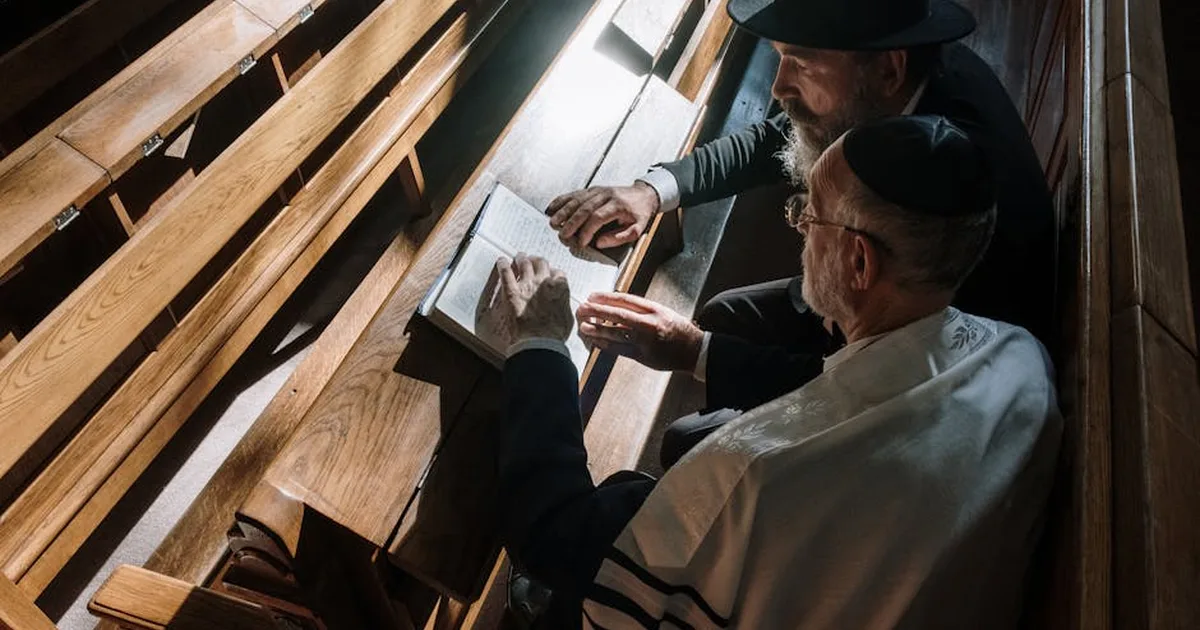
- Joint study of biblical texts
- Visits to synagogues and churches
- Commemorations of Kristallnacht (Reichspogromnacht)
- Interreligious peace prayers
- Discussion rounds on ethical questions
These encounters help dismantle stereotypes and show how faith can be lived in everyday life. They make clear that differences in religious practice do not have to divide but can enrich.
Theological Commonalities and Differences
Christians and Jews share fundamental convictions: faith in the one God, the importance of the Ten Commandments, and hope for a better world. Both religions emphasize the dignity of every person as the image of God. Differences exist primarily in Christology and the meaning of the Law. While Christians see Jesus as the Messiah, Jews still await the coming of the Messiah. Taking these differences seriously is a prerequisite for honest dialogue.
"Seek the peace and prosperity of the city to which I have carried you into exile. Pray to the Lord for it, because if it prospers, you too will prosper." (Jeremiah 29:7, NIV)
This verse from the book of Jeremiah encourages working for the well-being of the community in which one lives—an attitude that unites Christians and Jews.
Ecumenical Perspectives
At EncuentraIglesias.com, an ecumenical Christian platform, we believe interreligious dialogue is a practical expression of the commandment to love one's neighbor. Fostering understanding and cooperation between Christians and Jews is not merely a gesture of goodwill but a Gospel imperative that contributes to healing historical wounds and building a more just and peaceful society for all.





Comments