
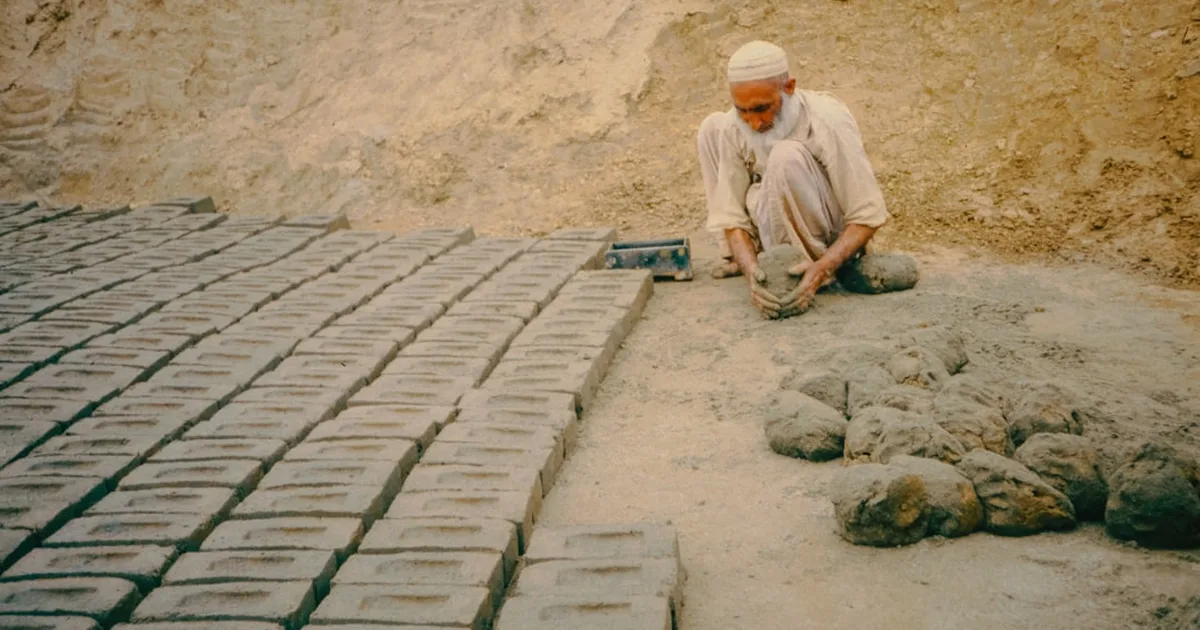
In the remote regions of Pakistan, far from urban centers, lies a world invisible to many: the brick factories where entire families live and work in conditions reminiscent of slavery from centuries past. Here, the system of debt bondage prevails—a modern form of unfreedom that especially affects Christian minorities. Families are lured by small loans they can never repay. Interest mounts, debts grow, and workers become prisoners in a cycle of labor and dependency. Children grow up in the kilns, without schooling or prospects. Temperatures are extreme, work hours endless, and pay barely enough to survive. The global community talks much about modern slavery, but the concrete faces of suffering are often forgotten.
A Priest as Advocate for the Oppressed
In this environment, Argentine priest Federico Highton works with support from the Vatican to free these people. He organizes rescue operations, negotiates with factory owners, and offers legal aid to families. His approach is holistic: it's not just about immediate release but long-term reintegration into society. The initiative he leads works closely with local churches and Christian aid organizations. Methods are diverse: awareness campaigns, microcredits for alternative income sources, and pressure on policymakers. The priest emphasizes that faith in Christ, who sets captives free, is the driving force behind his commitment. In an interview he said: "We cannot stand idly by while our brothers and sisters are in chains. Faith without works is dead." This echoes the Epistle of James, which teaches: "So also faith by itself, if it does not have works, is dead" (James 2:17, ESV).
The Biblical Foundation for Fighting Slavery
The Bible speaks in many places about liberation from oppression and the dignity of every person. In the Old Testament, God commands his people not to oppress the foreigner or the poor: "You shall not oppress your neighbor or rob him. The wages of a hired worker shall not remain with you all night until the morning" (Leviticus 19:13, ESV). Jesus himself begins his ministry with the words of the prophet Isaiah: "The Spirit of the Lord is upon me, because he has anointed me to proclaim good news to the poor. He has sent me to proclaim liberty to the captives and recovering of sight to the blind, to set at liberty those who are oppressed" (Luke 4:18, ESV). These verses are not just historical texts but a call to action. The fight against modern slavery is therefore not a political option but a consequence of Christian faith. The worldwide church is called to raise its voice for those who have no voice. Father Highton's work is an example of how this mission can be concretely implemented.
Challenges and Successes of the Liberation Work
The work in Pakistan is not without risks. Factory owners often have connections to local power structures, and authorities frequently look the other way. Father Highton and his colleagues face threats but are not intimidated. In recent years, several hundred families have already been freed. The successes are encouraging: children attend school, adults have received training and can now live in dignity. A central element is economic independence: through small loans, former slaves can set up their own small businesses or engage in agriculture. The Christian community





Comments