
High in the Bolivian Andes, nearly 4,000 meters above sea level, stands a church that has guarded centuries of history and devotion. The Church of Santiago de Curahuara de Carangas, known as the “Andean Sistine Chapel” for its stunning biblical murals, is being restored thanks to a project that seeks to preserve this treasure of Christian faith. Local authorities and the believing community celebrated the news, which promises to return the sanctuary to its former glory.
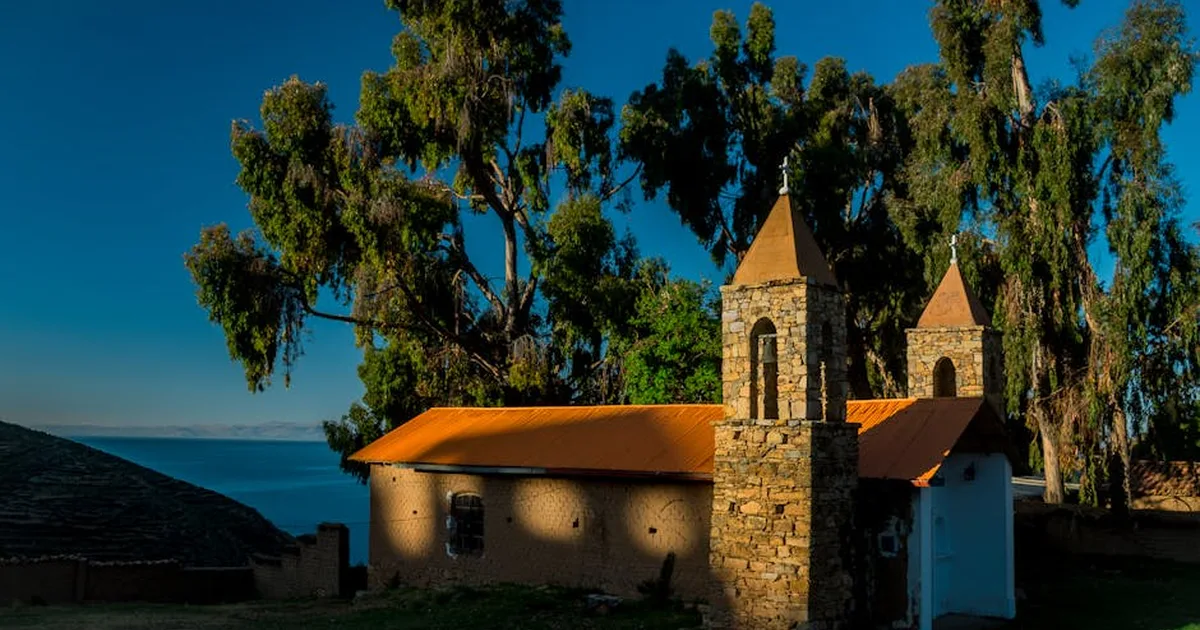
The restoration, announced at a press conference, includes repairing thatched roofs, rebuilding stone buttresses, and cleaning the interior murals. All this aims to protect not just a building, but a living testimony of how art and faith intertwine to tell the story of God with his people.
What Makes This Church Unique?
Built between 1587 and 1608, the Church of Santiago is a jewel of colonial Andean architecture. Its stone and adobe walls, massive buttresses, and Renaissance portal are only the frame for what truly sets it apart: the paintings that cover every corner of its interior.
Created in 1777, these works depict biblical scenes from the Old and New Testaments, from creation to the resurrection of Christ. Indigenous artists infused their own worldview into each image, creating a unique style that blends European tradition with Andean symbols. It is, without doubt, a visual catechism that has inspired generations of believers.
“The heavens declare the glory of God; the skies proclaim the work of his hands” (Psalm 19:1, NIV).
Just as the psalmist saw creation as a testimony to the Creator, these murals are a reminder that art can be a window into the divine. The restoration will keep this window open for future generations.
A Joint Effort for Faith and Culture
The project has support from Bolivia’s Ministry of Sustainable Tourism, the Diocese of Oruro, and the U.S. Embassy, which contributed $66,240 for the work. But beyond funding, what stands out is the collaboration between the Church, the state, and the local community.
Bishop Cristóbal Bialasik of Oruro expressed joy at the initiative, emphasizing that the church is not just a monument but a place of encounter with God. “Here people have prayed, wept, and celebrated the sacraments for over four centuries. Restoring it honors that faith,” he said.
The indigenous community also participates actively, as this temple is part of their identity. The restoration will respect original materials and techniques, ensuring the essence of the place remains intact.
Restoration Details
- Repair and waterproofing of thatched roofs.
- Reconstruction of stone buttresses supporting the structure.
- Restoration of exterior walls and facades damaged by weather.
- Cleaning and conservation of interior murals.
These actions will not only protect the building but also boost sustainable tourism in the region, generating economic opportunities for the people of Curahuara de Carangas.
Lessons of Faith for Today
The story of this church reminds us that faith is expressed in many ways: in prayer, in service, and also in art. Christians today can learn from those who, with their hands and creativity, dedicated their best to glorify God.
Just as restoring a temple requires time, effort, and resources, our spiritual life also needs constant care and renewal. What aspects of your faith need restoration? Perhaps your relationship with God, your commitment to community, or your way of





Comments