
In the heart of the fourth century, as the early church weathered doctrinal storms, a man arose with unwavering determination: Athanasius of Alexandria. Patriarch of Alexandria and a Church Father, he is best known for his relentless fight against Arianism, a heresy that denied the divinity of Christ. His life, marked by exile and persecution, remains a powerful testimony of faithfulness to revealed truth.
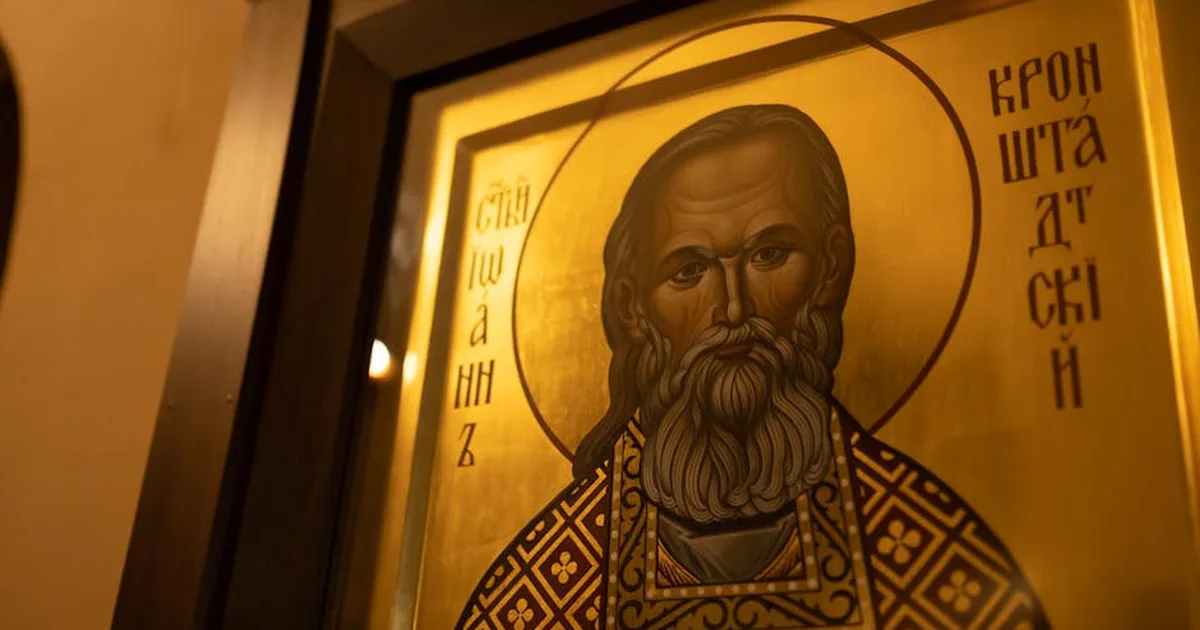
Born into a Christian family in Egypt, Athanasius received a solid education, blending Greek culture with a deep knowledge of the Scriptures. From a young age, he stood out for his piety and intelligence. Ordained a deacon, he accompanied his bishop Alexander to the Council of Nicaea in 325, an event that would shape the course of Christian history. There, he helped draft the Nicene Creed, affirming that Jesus Christ is “true God from true God, begotten, not made, of one being with the Father.”
“We believe in one Lord, Jesus Christ, the only Son of God, eternally begotten of the Father, God from God, Light from Light, true God from true God, begotten, not made, of one being with the Father.” (Nicene Creed, 325)
An Episcopate Marked by Trial
In 328, Athanasius succeeded Alexander as patriarch of Alexandria. He was about thirty years old. His episcopate, lasting forty-five years, was one of the most tumultuous in history. The followers of Arius, supported by emperors like Constantius II, relentlessly opposed him. Athanasius was accused of all sorts of crimes, including murder. But divine providence watched over him: the man he was supposed to have murdered reappeared alive, confounding his slanderers.
In total, Athanasius experienced five exiles, spending seventeen years away from his episcopal see. He found refuge in Trier, Rome, and the deserts of Egypt among the monks. Far from breaking him, these trials strengthened his faith and determination. He wrote numerous letters and treatises to defend orthodox doctrine, including his famous “Festal Letters,” which announced the date of Easter and exhorted the faithful to perseverance.
Athanasius’s Theological Legacy
Athanasius’s work is immense. He is the author of major treatises such as “On the Incarnation of the Word” and the “Orations against the Arians.” In these writings, he clearly expounds the doctrine of the Trinity and the importance of the Incarnation for salvation. For Athanasius, if Christ was not fully God, he could not save us. As he famously said: “God became man so that man might become God” (participation in the divine nature).
“For the Word of God, who is God, became flesh so that through him we might be deified.” (Athanasius, On the Incarnation, 54)
His writings had a decisive influence on subsequent councils, especially the Council of Constantinople in 381, which confirmed the divinity of the Holy Spirit. Athanasius is thus recognized as one of the greatest doctors of the church, both in the East and the West.
A Testimony for Today
The life of Athanasius reminds us that defending the truth can come at a cost. But it also shows us that faithfulness to God is always rewarded. In a world where compromises are frequent, the example of this courageous pastor invites us to stand firm in our faith, without yielding to worldly pressure.
In this time when the church faces new challenges, Athanasius’s legacy is more relevant than ever. It encourages us to deepen our knowledge of the Scriptures and tradition, so that we can give a reason for our hope (1 Peter 3:15).
“But in your hearts honor Christ the Lord as holy, always being prepared to make a defense to anyone who asks you for a reason for the hope that is in you; yet do it with gentleness and respect.” (1 Peter 3:15)





Comments